

Leveraging flow cytometry to explore COVID-19 immune responses
Posted: 29 October 2020 | Hannah Balfour (Drug Target Review) | No comments yet
Researchers used flow cytometry to characterise which types of T cells are involved in the immune response to COVID-19 and what they target.
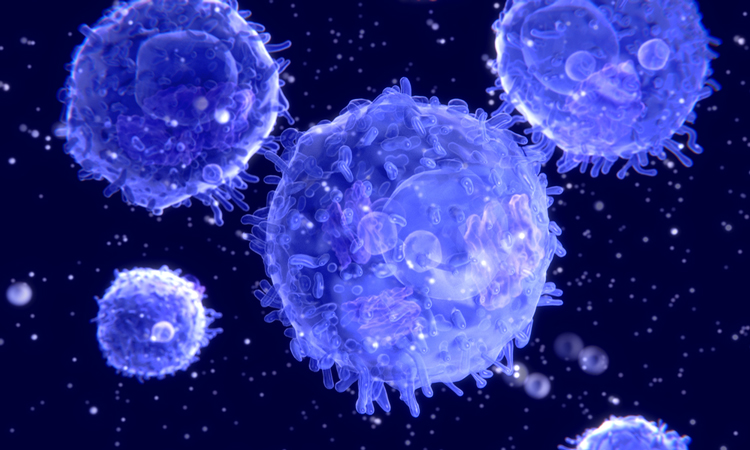
Using high dimensional flow cytometry to evaluate the human T cell response to SARS-CoV-2 infection, researchers reveal that there is a SARS-CoV-2-specific CD4+ T cell and antibody responses in 100 percent of patients.
In their paper published in Cell, Grifoni et al. used high dimensional flow cytometry to immunotype blood samples taken from patients who had either recovered from COVID-19 (the disease caused by the SARS-CoV-2 virus) or were unexposed. By performing T cell receptor (TCR) dependent activation-induced marker (AIM) assays they were able to identify and quantify SARS-CoV-2-specific CD4+ T cells in recovered COVID-19 patients. Using AIM assays and intracellular cytokine staining (ICS) they were also able to measure SARS-CoV-2-specific CD8+ T cells in the recovered patients.
The team reported that all convalescent COVID-19 patients exhibited a SARS-CoV-2-specific CD4+ T cell and antibody response; however, only 70 percent had SARS-CoV-2 specific T cell responses.
The authors evaluated whether stronger SARS-CoV-2-specific CD4+ T cell responses were associated with higher antibody titers in COVID-19 cases by examining spike protein-specific CD4+ cells. Finally, to evaluate what antigens were targeted by CD4+ and CD8+ T cells, the authors synthesised an overlapping pool of peptides spanning the entire sequence of SARS-CoV-2 and studied epitope reactivity.
According to the authors, CD4+ T cell responses to the SARS-CoV-2 spike (S) protein, the main target of most vaccine efforts, were robust and correlated with the magnitude of the anti-SARS-CoV-2 IgG and IgA titers. The membrane (M), S and nucleocapsid (N) proteins each accounted for 11 to 27 percent of the total CD4+ response, with additional responses commonly targeting other proteins such as nsp3, nsp4, open reading frame (ORF)3a and ORF8. For CD8+ T cells, S and M were recognised, with at least eight SARS-CoV-2 ORFs targeted.
Interestingly, the authors also detect SARS-CoV-2 reactive CD4+ cells in roughly 40 to 60 percent of the unexposed individuals, which they attribute to cross-reactive T cell recognition between circulating ‘common cold’ coronaviruses and SARS-CoV-2.
The authors concluded that mapping T cell specificities revealed valuable targets for incorporation in candidate vaccine development.
Related topics
Analytical Techniques, Disease Research, Flow Cytometry, Immunology
Related conditions
Coronavirus, Covid-19