



All Cardiovascular disease articles – Page 2
-
 News
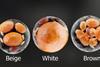
NewsBeige fat identified as potential target for blood pressure drugs
New research shows beige fat around blood vessels helps regulate blood pressure, offering potential pathways for future therapies to reduce cardiovascular risk.
-
 News
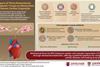
NewsMagnetic stimulation advances heart organoids for future therapies
Researchers have shown that applying magnetic forces to lab-grown human heart organoids enhances their maturation and vascular development, offering a more realistic model of early heart formation and the possibility of future cardiac therapies.
-
 News
NewsPlatelet-inspired nanoparticles could improve treatment of inflammatory diseases
Scientists have developed platelet-inspired nanoparticles that deliver anti-inflammatory drugs directly to brain-computer interface implants, doubling their effectiveness.
-
 News
NewsTY1: new experimental drug restores tissue after heart attack
Scientists have developed an experimental RNA-based drug, TY1, that repairs DNA, reduces scar tissue and could lead to new treatments for heart attacks and autoimmune diseases.
-
 News
NewsGLP-1 weight loss drugs may protect against pancreatitis
A new study has found that GLP-1 weight loss drugs do not increase the risk of pancreatitis or heart problems in patients with high triglycerides – and may even help protect against the condition.
-
 Article
Beyond weight loss: the gap in current drug development for obesity
Current obesity drug development remains overly focused on short-term weight reduction, despite obesity being a chronic, multifactorial disease. Broader, mechanism-driven approaches are needed to ensure durable efficacy, safety and accessibility.
-
 News
NewsAlzheimer’s may disrupt fat tissue and raise metabolic disease risk
Researchers have discovered that Alzheimer’s may disrupt communication between nerves and blood vessels in fat tissue which could explain why people with Alzheimer’s are often diagnosed with heart disease and metabolic problems.
-
 News
NewsTargeting fibroblasts could lead to new heart failure therapies
Long considered structural support cells, a new research study has discovered how fibroblasts actively worsen heart failure by disrupting heart muscle function, which could lead to new therapeutic strategies for heart failure.
-
 Article
How real-world data is accelerating drug discovery
Vish Srivastava considers the benefits of expanding the role of real-world data in drug discovery to provide improved therapies, faster and with greater success.
-
 News
NewsNew UCLA drug could restore heart and organ function
UCLA researchers have developed a monoclonal antibody, AD-NP1, that blocks ENPP1 to enhance heart repair and reduce scar tissue.
-
 Article
Tracing ACLY from cardiovascular target to liver therapy lead
Can a cholesterol enzyme help treat an untreatable liver disease? Esperion’s ACLY programme is using multiomic and preclinical data to evaluate its potential in primary sclerosing cholangitis.
-
News
Stanford grows vascularised mini-organs
Stanford scientists have successfully grown heart and liver organoids that include functioning blood vessels. This breakthrough overcomes a major size and maturity barrier, which could advance disease modelling and regenerative therapies in the future.
-
 News
NewsTargeting inflammation to treat atherosclerosis and MASH
A glycine-based compound developed at the University of Michigan, originally designed to treat severe fatty liver disease, has shown powerful effects in reducing atherosclerosis and vascular calcification in animal models.
-
 Article
The rising impact of biomarkers in early clinical development
Dr Cyril Clarke at ICON Biotech reveals how biomarkers are transforming early-phase clinical trials by offering valuable insights into the safety and efficacy of novel therapies.
-
 News
NewsDiabetes drug found to protect heart during cancer treatment
A commonly prescribed diabetes medication could significantly enhance long-term recovery prospects for cancer patients by reducing their risk of heart failure, a new study from the University of East Anglia (UEA) reveals.
-
 Article
Obesity care gets personalised: tailoring therapies with Phenomix
Find out how Phenomix Sciences is transforming obesity treatment by identifying patient subtypes for more targeted and effective therapies.
-
 News
NewsStudy reveals 58 targets for heart failure drug development
A new study has identified novel drug targets for heart failure, focusing on two major types of the condition. These findings could lead to more effective, targeted treatments for both heart failure subtypes.
-
 News
NewsCNIC identifies key mechanism in fat cells to combat obesity
CNIC researchers have identified a mechanism in fat cells that helps them safely store excess fat, offering new insights for combating obesity and related metabolic diseases.
-
 Article
Cell and gene therapy development moves into cardiac indications
The success of CAR-Ts in oncology has stoked enthusiasm for developing comparable curative therapies in other disease areas. CellProthera’s Chief Scientific Officer, Ibon Garitaonandia, explains the potential and progress for CGTs in cardiology, where disease-modifying therapies are largely non-existent.
-
 News
NewsNew DNA aptamer stabilises atherosclerosis plaques
The nucleic acid drug, iSN04, could have applications for pathological angiogenesis involved in atherosclerosis, cancer, and retinopathy.
- Previous Page
- Page1
- Page2
- Page3
- Page4
- Next Page