



Oncology focus
Latest in Oncology
 Article
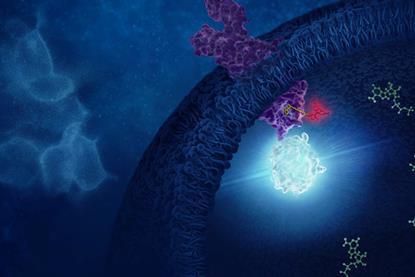
Induced proximity drugs – why complex formation is not enough
A drug can form exactly the complex it was designed to make and still fail to work. Two recently approved induced proximity drugs show why what happens after complex formation – not formation alone – can decide the outcome.
 Article
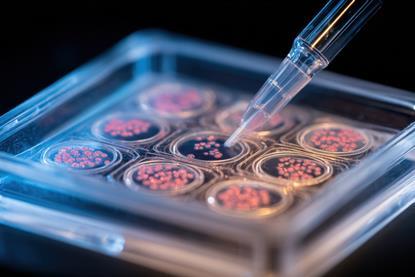
600+ patient-derived cancer models expand the search for drug targets
Hundreds of new patient-derived cancer models could strengthen target validation, identify cancer vulnerabilities and provide more representative systems for preclinical drug discovery.
 Article
Why researchers are revisiting bisantrene decades after it was abandoned
An oncology drug abandoned decades ago is getting a second look, with new research uncovering a mechanism that could offer an alternative route to targeting MYC, one of cancer’s toughest targets.
Featured
Induced proximity drugs – why complex formation is not enough
A drug can form exactly the complex it was designed to make and still fail to work. Two recently approved induced proximity drugs show why what happens after complex formation – not formation alone – can decide the outcome.
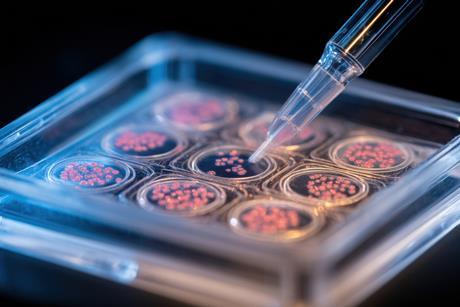
600+ patient-derived cancer models expand the search for drug targets
Hundreds of new patient-derived cancer models could strengthen target validation, identify cancer vulnerabilities and provide more representative systems for preclinical drug discovery.
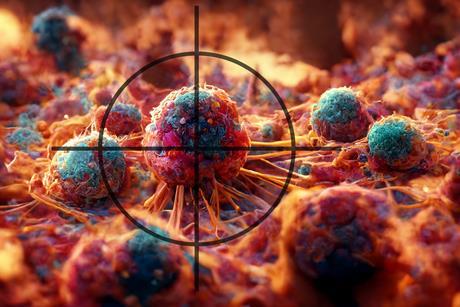
Why researchers are revisiting bisantrene decades after it was abandoned
An oncology drug abandoned decades ago is getting a second look, with new research uncovering a mechanism that could offer an alternative route to targeting MYC, one of cancer’s toughest targets.
More Oncology
Induced proximity drugs – why complex formation is not enough
A drug can form exactly the complex it was designed to make and still fail to work. Two recently approved induced proximity drugs show why what happens after complex formation – not formation alone – can decide the outcome.

600+ patient-derived cancer models expand the search for drug targets
Hundreds of new patient-derived cancer models could strengthen target validation, identify cancer vulnerabilities and provide more representative systems for preclinical drug discovery.

Why researchers are revisiting bisantrene decades after it was abandoned
An oncology drug abandoned decades ago is getting a second look, with new research uncovering a mechanism that could offer an alternative route to targeting MYC, one of cancer’s toughest targets.
Fibroblast barrier linked to immunotherapy resistance in colorectal cancer
Why do some colorectal cancers resist immunotherapy? Analysis of patient tumour samples has identified a population of fibroblasts that could help explain treatment resistance.
More Oncology
Understanding the toxicology endpoints that matter in ADC development
Antibody-drug conjugates (ADCs) present unique toxicology challenges. Learn which endpoints matter most, how they inform development decisions and why they are essential for building a robust nonclinical safety strategy.
Inside one of the most comprehensive human proteome atlases to date
Understanding where proteins are expressed throughout the body is critical for selecting better drug targets. Here’s how a new human proteome atlas could improve target selection, predict toxicity and support drug repurposing.
How spatial biology is tracking antibody drugs inside tumours
Many antibody therapies fail to reach all cancer cells within solid tumours. Researchers have developed a spatial biology technique that maps antibody distribution alongside the tumour microenvironment to investigate why.
Synthetic iMSCs: reprogramming ovarian cancer from the inside out
Ovarian cancer has long proved difficult to treat. Could the answer lie within the disease itself? Discover how synthetic iMSCs could reprogramme the tumour microenvironment and restore anti-tumour immunity.
Context is everything: how spatial biology is changing our understanding of disease
Discover how spatial biology is revealing disease mechanisms with implications for biomarkers, immunotherapy and drug development.
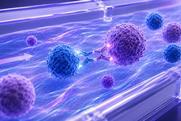
Flow-based human tumour models reveal immune responses missed by static culture
Static cultures can miss critical immune–tumour interactions. Learn how the Mera™ flow-based human tissue model better captures T-cell activity to strengthen preclinical immunotherapy research.
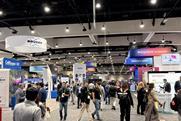
AACR 2026 part two: integrating AI, spatial biology and next-gen therapeutics
In part two of our AACR 2026 coverage, industry leaders were focussed on how the field is no longer constrained by data generation or molecular design, but by the challenge of connecting systems, standardising workflows and ensuring biological insights.

Why AI models need patient data to deliver in drug discovery
Despite rapid advances in AI, many drug discovery models still struggle to translate computational predictions into clinical outcomes. Thomas Clozel explains how Owkin is training AI on large-scale patient-derived data while integrating experimental and clinical validation directly into model development.
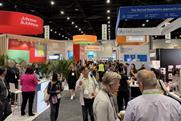
AACR 2026 part one: AI design, precision biology and the next wave of oncology innovation
At AACR 2026, industry leaders discussed how oncology R&D is moving beyond isolated technological advances towards integrated discovery systems.

AI builds dual-action cancer drug targeting PKMYT1
Research published in Nature Communications shows how generative AI can be used to design complex dual-action cancer drug candidates. Insilico Medicine has developed a PKMYT1 degrader that both eliminates the target protein and blocks its activity, demonstrating the growing role of AI in advanced drug discovery.
Improving selectivity in antibody–drug conjugates
Promatix Biosciences is developing a new generation of bispecific antibody–drug conjugates using proprietary membrane proteomics data to identify highly selective target pairings. CEO Dr Michael Hunter explains how the company’s TXPro database enables discovery of previously unexplored tumour biology to improve therapeutic index and reduce on-target/off-tumour toxicities in solid tumours.
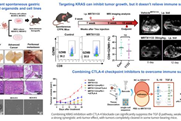
KRAS inhibition and CTLA-4 blockade could overcome gastric cancer immunotherapy resistance
Researchers have identified oncogenic KRAS as a key driver of immunosuppression in gastric adenocarcinoma.