



Researchers at Sanford Burnham Prebys Medical Discovery Institute have discovered that disrupting cholesterol trafficking enzymes creates a metabolic bottleneck in cancer cells with TP53 mutations.
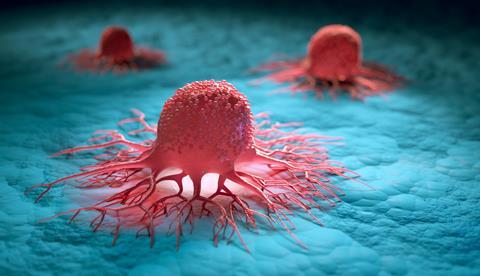
Researchers at Sanford Burnham Prebys Medical Discovery Institute and collaborators at University of Illinois Chicago have identified a potential new way to target aggressive cancers by disrupting how tumour cells process cholesterol.
In the study, scientists discovered that without enzymes moving cholesterol around cells, they experience what researchers describe as a ’cholesterol traffic jam’, preventing tumours from accessing the fuel needed for growth.
The study focused on cancers carrying mutations in the tumour-suppressing TP53 gene, one of the most common genetic mutations found in cancer. The researchers said these cancer cells produce unusually high levels of cholesterol, which makes them vulnerable if that supply is interrupted.
Focus on difficult-to-treat breast cancers
The research team concentrated on particularly challenging forms of breast cancer. TP53 mutations are present in more than 84 percent of triple-negative breast cancers and in three out of four HER2-amplified breast cancers.
“One of our main goals with this work was to find new treatment possibilities for the large subset of breast cancers harbouring TP53 mutations,” said Dr Ryan Loughran, a postdoctoral associate in the Emerling lab. “We recognised a real opportunity in targeting the enzymes that control cholesterol transport, especially since cancer cells depend on this process far more than normal cells do.”
TP53 mutations are present in more than 84 percent of triple-negative breast cancers and in three out of four HER2-amplified breast cancers
To investigate further, scientists examined a family of cell membrane lipids called phosphoinositides and the kinase enzymes that regulate them. Earlier research had shown that a branch of these enzymes, known as phosphatidylinositol-5-phosphate 4-kinases, or PI5P4Ks, was necessary for the growth of cancers with TP53 mutations in mice.
Researchers suspected the enzymes played a crucial role in moving cholesterol within cells.
“Normally, when mice lose TP53 as the guardian of their genomes, they are fated to die from cancer in four-to-eight months,” said Emerling. “When you delete these kinases, the animals are 100 percent protected and never develop a tumour – and cholesterol turned out to be one of the missing pieces in this puzzle.”
Cholesterol movement linked to tumour growth
Experiments in both mouse and human cancer cells revealed that PI5P4Ks influence the positioning of lysosomes, organelles responsible for transporting cholesterol around cells.
In cancer cells containing both TP53 mutations and PI5P4Ks, cholesterol-filled lysosomes gathered near the cell membrane. However, when PI5P4Ks were absent, lysosomes remained closer to the nucleus in the centre of the cell.
Researchers found this positioning had major implications for mTORC1, an enzyme complex known to regulate cell growth and frequently overactive in cancer.
In cancer cells containing both TP53 mutations and PI5P4Ks, cholesterol-filled lysosomes gathered near the cell membrane
“When lysosome positioning is biased towards the cell nucleus, mTORC1 activation is suppressed,” said Loughran. “This connects directly to our previous work, where we found that the loss of these kinases triggers starvation-like states in cancer cells. When PI5P4Ks are absent, the link between lysosomal cholesterol and mTORC1 is compromised, a bit like two ships passing in the night.”
The altered positioning reduced interaction with mTORC1 and blocked signals associated with tumour growth.
“The mTOR activation pathway is really what drives tumourigenesis and so mTOR is an important target for cancer drug development,” said Emerling. “If we can target mTOR activity in aggressive cancers by blocking the sensing of cholesterol, that would be a promising treatment strategy.”
Looking beyond statins
Scientists said the findings could lead to alternatives to statins, drugs commonly used to lower cholesterol. Previous studies have explored whether statins could also work against cancer, although researchers noted tumours may eventually develop resistance.
Emerling said the team plans to continue investigating PI5P4Ks as a possible therapeutic target.
“We’ll continue to explore blocking PI5P4Ks as a more targeted approach tailored to how tumours operate,” she said.










No comments yet