



A modular tissue-chip platform incorporating ultrathin human cell membranes and real-time sensors has been accepted into the FDA’s ISTAND pilot programme, marking a significant regulatory step towards qualifying the technology as a drug discovery tool capable of predicting immunotherapy-associated toxicities without reliance on animal models.

Researchers at the University of Rochester are developing tissue chips that could provide a more human-relevant way to test the safety of cancer immunotherapies before they reach patients.
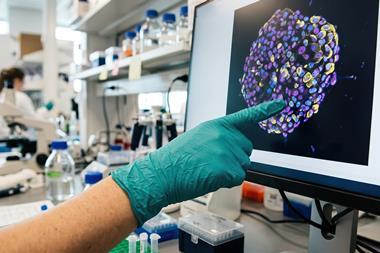
The technology is being developed by the university’s Translational Center for Barrier Microphysiological Systems (TraCe-bMPS), which is working towards regulatory acceptance of tissue chips as tools for drug discovery.
The approach aims to address the issue of animal models not always reproducing human immune responses or expressing the same cell receptors, making it difficult to predict some of the toxicities associated with cancer immunotherapies.
These treatments work by strengthening the immune system’s ability to recognise and destroy cancer cells. However, heightened immune activity can also cause serious adverse effects including cytokine release syndrome (CRS), an inflammatory response that can lead to organ failure, and immune effector cell-associated neurotoxicity syndrome (ICANS), which can cause damage to the nervous system.
“The goal is to predict these toxicities from human cells on a chip, before a drug ever reaches a patient, and to do it without relying on animal models that have repeatedly failed to predict CRS in people,” says James McGrath, Director of TraCe-bMPS.
The tissue-chip platform uses modular, mass-producible µSiM chips containing ultrathin membranes made from human cells. Sensors integrated into the devices can monitor barrier function and inflammatory signalling in real time.
The ultimate goal is to recreate specific aspects of human tissues in a controlled laboratory environment, allowing researchers to observe how human cells respond to potential medicines.

Regulatory milestone
The project has recently reached an important regulatory milestone after being accepted into the US Food and Drug Administration’s Innovative Science and Technology Approaches for New Drugs (ISTAND) pilot programme.
The programme is designed to help evaluate innovative technologies that could eventually be used in drug development.
“We’re excited the FDA sees value in developing tissue chips and we will work hard to go through the remaining steps to ensure the research community can more widely leverage this technology for drug discovery,” says Joan Adamo, Director of Regulatory Support Services at the University of Rochester Medical Center’s Clinical & Translational Science Institute.
The team is now preparing a detailed qualification plan for the FDA covering clinical considerations, timelines, data-sharing plans and the statistical methods that will be used to assess the technology.
If the tissue-chip platform ultimately receives FDA qualification, pharmaceutical companies could potentially use data generated with the system as part of applications for new medicines.
Moving beyond animal testing
The work comes as US regulators increase efforts to reduce reliance on animal testing during preclinical drug development. The FDA Modernization Act 2.0, passed in 2022, removed a longstanding requirement for animal testing before some drugs could enter human trials. The FDA subsequently published a roadmap in 2025 outlining further efforts to reduce animal use in preclinical safety studies.
Tissue chips are one of several approaches being explored as alternatives or complements to animal models. They can provide researchers with access to human cells while allowing specific biological processes to be measured under controlled conditions.
“The FDA was very interested from the outset in making sure there will be companies that want to use this technology,” says Adamo. “It has been easy to interest pharmaceutical companies in the development of this tool, as there are many immunotherapies in clinical trials that carry the risk of CRS and ICANS.”
The Rochester team collaborated with Graham Marsh from the nonprofit Critical Path Institute to submit the candidate drug discovery tool. Pfizer scientists have also contributed discussions about the potential utility of the technology in drug development.
The next stage will be to establish whether the tissue-chip system can demonstrate the reproducibility and predictive performance required for wider regulatory and industry adoption.





No comments yet