Five leading cancer researchers from across genomics, proteomics, cell biology, chemical biology and gene therapy dig into what’s driving cancer drug discovery forward and what’s still holding progress back.
Register now to watch the discussion live, put your questions directly to the panel and access the webinar on-demand after the event.
Turning a cancer discovery into a new therapy requires robust evidence, but building that evidence is rarely straightforward. Researchers must establish confidence in potential targets while accounting for tumour heterogeneity, treatment resistance and the limitations of preclinical models. Each can influence whether a potential therapy moves forward.
This live roundtable brings together five cancer researchers to explore how these challenges are addressed in early discovery. The panel will discuss how new targets are identified and validated, what today’s preclinical models can and cannot tell us, and how advances in molecular and cellular research are supporting therapeutic development.
The discussion will draw on the panellists’ work across cancer genomics, metastasis, gene and cytokine therapies, AI-driven proteomics and small-molecule discovery. They will consider where current methods are delivering value, where important gaps remain and what must improve to bring new therapeutic options closer to patients. You’ll also have the opportunity to put your own questions to the panellists during the live Q&A and hear directly from experts working across the field.
Why attend
Gain a deeper understanding of what is helping cancer discoveries progress towards new therapies and where challenges remain:
- Identify the factors that can strengthen confidence in new cancer targets
- Understand how tumour heterogeneity, metastasis and treatment resistance can complicate therapeutic development
- Assess the value and limitations of preclinical models when investigating therapeutic potential
- Explore how genomic, proteomic, functional and chemical biology can provide a more complete view of cancer
- Consider where biomarkers can add value as discoveries move towards therapeutic development.
Access the free webinar by registering for a membership or logging into your account.
SECURE YOUR PLACE TODAY
MEET YOUR PANELLISTS
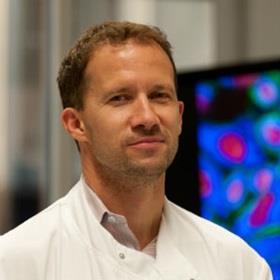
Professor Chris Bakal | Leader of the Dynamical Cell Systems Group at The Institute of Cancer Research, London
Professor Chris Bakal is Leader of the Dynamical Cell Systems Group within the Division of Cell and Molecular Biology at The Institute of Cancer Research, London. His research focuses on the biological mechanisms that allow cells to change shape, become cancerous and spread around the body.
His group studies the genetic and biochemical mechanisms controlling cell shape and how environmental and genetic variation influence these processes. His research aims to understand how normal and cancerous cells adopt different shapes and the mechanisms involved in cancer metastasis.
Professor Bakal received his undergraduate degree in Biochemistry from the University of British Columbia and his PhD in Medical Biophysics from the University of Toronto and the Ontario Cancer Institute. He subsequently joined Harvard Medical School and the Howard Hughes Medical Institute as a postdoctoral fellow.
While at Harvard Medical School, Professor Bakal developed his interest in the cellular communication networks that control cell migration and contribute to cancer spread. He also developed computational technology to recognise cell shape and infer associated genetic alterations.
Professor Bakal established his research group at The Institute of Cancer Research in 2009. His work combines experimental and computational technologies to study signalling networks regulating cell shape and to understand the mechanisms involved in cancer metastasis.
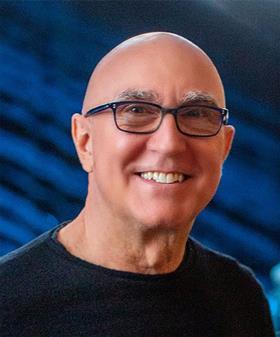
Professor Stuart L. Schreiber | Professor at Harvard University
Professor Stuart L. Schreiber is Morris Loeb Research Professor at Harvard University, Founding Core Member of the Broad Institute, Emeritus, and Founding Scientist of Arena BioWorks and Éir Med Group. He is a member of the National Academy of Sciences, National Academy of Medicine and American Academy of Arts and Sciences.
His research combines chemical biology and human biology to understand disease mechanisms and support the discovery of new therapeutics. His work has contributed to the development of chemical biology and established principles underlying molecular glues and other proximity-inducing drugs, including approaches for targeted protein degradation.
Professor Schreiber’s research has also contributed to understanding major cellular processes, including calcineurin and mTOR signalling, chromatin regulation and the use of small molecules to investigate challenging therapeutic targets. His development of diversity-oriented synthesis has supported the discovery of new therapeutic agents and mechanisms of action.
More recently, his research has examined cell states associated with resistance to cancer therapies and ways to target these therapy-resistant states. He has published more than 700 scientific papers and has contributed to the founding of numerous biotechnology companies and the development of therapeutic agents that have progressed into clinical development or become approved medicines.
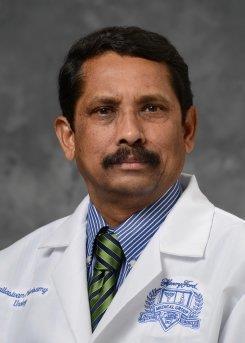
Dr Nallasivam Palanisamy | Associate Professor at Henry Ford Health and Michigan State University
Dr Nallasivam Palanisamy is Associate Professor at Henry Ford Health and Michigan State University. He specialises in prostate cancer, cancer genomics, molecular cytogenetics, molecular pathology and urology.
His research focuses on the discovery and characterisation of gene fusions in cancer and their role in carcinogenesis. His laboratory uses genomic and molecular technologies, including next-generation sequencing, RNA sequencing and FISH, to investigate the genomic architecture of solid cancers.
Dr Palanisamy pioneered the use of next-generation sequencing to identify recurrent gene fusions in cancer. His research has contributed to the discovery of recurrent RAF gene fusions in ETS-negative prostate cancer and the identification of pseudogenes as prostate cancer biomarkers.
His work aims to improve understanding of the genetic complexity of cancer and identify novel biomarkers for diagnosis and treatment follow-up.
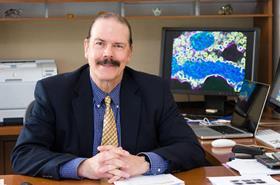
Professor Paul B. Fisher | Professor and Thelma Newmeyer Corman Chair in Cancer Research, VCU School of Medicine, and Director of the VCU Institute of Molecular Medicine
Dr Paul Fisher is Professor in the Department of Cellular, Molecular and Genetic Medicine and holds the Thelma Newmeyer Corman Chair in Cancer Research at VCU School of Medicine. He is also Founder and Director of the VCU Institute of Molecular Medicine.
His research has contributed to the development of gene discovery methods and new therapeutic strategies for cancer, including cancer therapeutic viruses and the therapeutic cytokine MDA-7/IL-24. He has published more than 650 papers and reviews and holds 55 issued patents.
Dr Fisher has also founded several biotechnology companies, including InVaMet Therapeutics, which develops small-molecule inhibitors of metastasis, and InterLeukin Combinatorial Therapies, which focuses on translating therapeutic interleukins and cytokines from laboratory research towards clinical application.
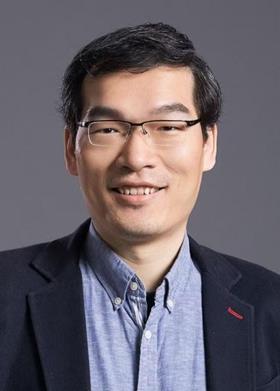
Professor Tiannan Guo | Professor at Westlake University; Founder of Westlake Omics
Tiannan Guo, MD, PhD, is a Professor at Westlake University and Founder of Westlake Omics. His lab has developed high-throughput spatiotemporal proteomic technologies to support biological and medical research.
The team built MassNet, a billion-scale AI-ready mass spectrometry corpus, alongside a suite of AI models for proteomics. Dr Guo has led the strategic roadmap for AI proteomics, proposed a framework for AI virtual cells and created ProteinTalks, a perturbation proteomics-based operational virtual cell model. Research from his team is translated through Westlake Omics.
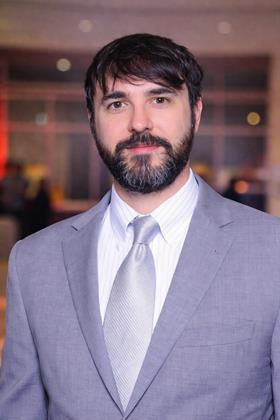
Dr Christopher LaBreck | Senior Product Scientist at Cell Signaling Technology
Dr Christopher LaBreck is a Senior Product Scientist at Cell Signaling Technology, where he leads the development, characterisation and support of a broad portfolio of antibody products. A central part of his role is extending the reach of CST antibodies into new technologies and applications, including collaborative validation initiatives with partners such as Bio-Techne.
His current work focuses on streamlining degrader molecule characterisation by utilising a capillary Western blot workflow. He is advancing a single-platform approach to simultaneously quantify target protein loss and target-level ubiquitination. Ultimately, this unified workflow aims to provide researchers with the high-resolution, integrated dataset necessary to accelerate degrader drug discovery.
Dr LaBreck completed his PhD at the University of Rhode Island, where he studied how cells control the assembly and positioning of large protein structures through two complementary mechanisms. He mapped the surfaces of MinC that engage the tubulin homologue FtsZ and the ATPase MinD to restrict division machinery to midcell, and quantified how the ATP-dependent protease ClpXP recognises and degrades those same substrates, demonstrating that targeted degradation actively tunes division dynamics rather than simply clearing surplus protein.
Is the panel discussion free?
Yes – there is no charge to watch the panel discussion, either live or on-demand.
When will the panel discussion take place?
The webinar will be taking place on [insert date and time]
Can I watch it later?
The panel discussion will become available to watch on-demand shortly after the live webinar takes place.
What are the benefits of attending live?
You’ll be able to ask the speakers your questions, which will be answered live in the Q&A towards the end of the session.
How long will the panel discussion be?
This panel discussion will last up to an hour.
What do I need to watch this panel discussion?
All you need is a computer with an internet connection. We recommend using headphones if possible if you’re in an office environment.