



Artificial intelligence focus
Latest in AI
 Interview
A sceptical guide to AI agents in drug discovery
AI agents promise to transform drug discovery, but where do they really add value? Dr Eric Ma examines search, model choice, vendor lock-in and why scientific expertise matters more than ever.
 Article
Drug discovery in Q3 2026 – what changed and why it matters
Agentic AI, ultralarge virtual screening, molecular glues and human-relevant models were among the key developments in early drug discovery during Q3 2026. Drug Target Review examines what changed, why it matters and what to watch heading into Q4.
 Article
AI agents vs scientists: what should we automate in drug discovery?
AI agents can search, analyse and plan across drug discovery workflows, but where should scientists hand over control? We examine what to automate, what to check and where human judgement matters most.
Featured
A sceptical guide to AI agents in drug discovery
AI agents promise to transform drug discovery, but where do they really add value? Dr Eric Ma examines search, model choice, vendor lock-in and why scientific expertise matters more than ever.

Drug discovery in Q3 2026 – what changed and why it matters
Agentic AI, ultralarge virtual screening, molecular glues and human-relevant models were among the key developments in early drug discovery during Q3 2026. Drug Target Review examines what changed, why it matters and what to watch heading into Q4.
AI agents vs scientists: what should we automate in drug discovery?
AI agents can search, analyse and plan across drug discovery workflows, but where should scientists hand over control? We examine what to automate, what to check and where human judgement matters most.
Webinars
- Previous
- Next
Whitepapers
- Previous
- Next
More Artificial Intelligence
A sceptical guide to AI agents in drug discovery
AI agents promise to transform drug discovery, but where do they really add value? Dr Eric Ma examines search, model choice, vendor lock-in and why scientific expertise matters more than ever.
Drug discovery in Q3 2026 – what changed and why it matters
Agentic AI, ultralarge virtual screening, molecular glues and human-relevant models were among the key developments in early drug discovery during Q3 2026. Drug Target Review examines what changed, why it matters and what to watch heading into Q4.
AI agents vs scientists: what should we automate in drug discovery?
AI agents can search, analyse and plan across drug discovery workflows, but where should scientists hand over control? We examine what to automate, what to check and where human judgement matters most.

Why AI struggles with new drug targets – and how physics could help
Virtual screening can assess billions of compounds, but performance can fall on unfamiliar targets. Combining AI with molecular physics could help make predictions more reliable.

Fast-tracking AI-designed binders with cell-free expression and SPR
AI can rapidly generate new protein binders, but wet-lab validation remains a major bottleneck. Combining cell-free protein synthesis with surface plasmon resonance (SPR) enables AI-designed antibody binders to be screened directly from crude extracts, bypassing lengthy cell culture and purification steps.
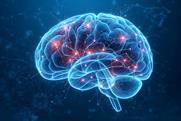
Why depression needs a different drug discovery strategy
What if depression is not one disease, but many biologically distinct conditions? A major research programme is investigating what this could mean for biomarkers, drug targets and treatment.

Six assay requirements every researcher using NAMs should know
As NAMs become more widely used in drug discovery, assays must meet the demands of more complex models. Discover six requirements for reliable, reproducible and biologically meaningful data.

Building biomarkers that drug developers can rely on
Discover how integrated technologies, multiomic approaches and AI are helping researchers translate complex biological signals into actionable tools for drug development and patient care.

How AI-driven systems biology will reset the starting line for drug development
AI is making drug discovery faster, but can it make it more successful? Discover why combining AI with systems biology could help researchers tackle the biological complexity behind drug failure.
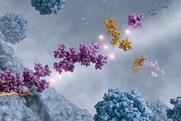
Why intracellular targets remain a major drug discovery challenge – and how they’re becoming druggable
Many biologically important intracellular targets remain difficult to drug. Dr Rab Prinjha examines how screening within living cells could help tackle them.
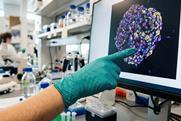
Reducing drug development failures with human-relevant models and AI
Professor Joseph C. Wu of Stanford University explains how stem cells, human-relevant models and AI are helping researchers predict which drug candidates are most likely to succeed before clinical trials.

Why single-cell foundation models have underdelivered and what drug discovery needs instead
Foundation models have delivered breakthroughs in protein biology, but single-cell models have struggled to match them. What is holding them back?

AI’s promise and practical limits in drug discovery
From ChatGPT to AI agents and world models, where is AI really heading in drug discovery? Dr Raminderpal Singh explains what researchers should focus on now.

Making historical toxicology data work harder in safety assessment
Historical toxicology data is often underused. Find out how Virtual Control Groups and AI could help researchers strengthen safety assessment while making better use of existing data.
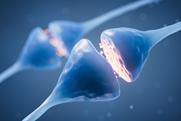
How AI and human biology data led to a new addiction drug candidate
How can human biology data improve target selection? Learn how one discovery programme identified a potential new treatment for opioid use disorder.