



A new study reveals that YAP1 protein expression occurs specifically after chemotherapy in small cell lung cancer, enabling cancer cells to survive treatment and driving disease relapse.
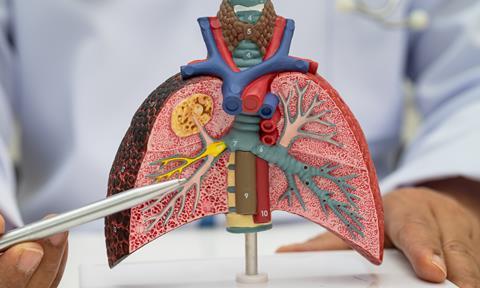
Researchers at The University of Texas MD Anderson Cancer Center have identified a key mechanism that may explain why patients with small cell lung cancer often relapse after initially responding to chemotherapy.
The study found that some cancer cells begin expressing a protein known as YAP1 only after treatment. This change appears to help the cells survive, become more invasive and drive treatment resistance.
A hidden driver of relapse
Small cell lung cancer is one of the most aggressive forms of lung cancer. Although it often responds well to initial chemotherapy, resistance frequently develops, which can lead to disease progression and poor outcomes.
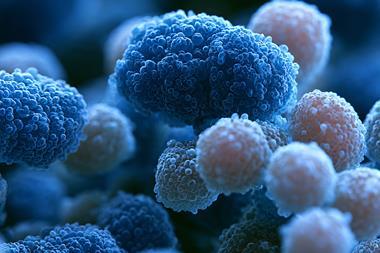
Small cell lung cancer is one of the most aggressive forms of lung cancer
The new findings suggest that YAP1 is central to this process. Rather than being present from the outset, the protein emerges after treatment, enabling a subset of cancer cells to adapt and persist.
“These findings highlight YAP1-expressing cells as biomarkers of chemotherapy resistance in small cell lung cancer,” said Carl Gay, Associate Professor of Thoracic Head and Neck Medical Oncology and a lead author of the study. “This brings us another step closer to understanding the mechanisms behind why patients continue to relapse so that we can better adapt our diagnostic and therapeutic strategies to improve patient outcomes.”
Understanding the role of YAP1
YAP1 is known to regulate signalling pathways that promote cell growth and prevent apoptosis. When overactivated, it can act as an oncogene, helping cancer cells survive and spread.
Researchers have previously suggested that YAP1 might define a specific subtype of small cell lung cancer. However, this study challenges that idea.
By analysing tumour samples before and after treatment, the researchers saw that untreated tumours showed little to no YAP1 expression. This indicated to them that the protein is not a defining feature of the disease at diagnosis.
Emergence after treatment
Using multi-omics analysis, the researchers discovered that YAP1-positive cells primarily appear after chemotherapy. Their emergence closely aligns with the development of treatment resistance and subsequent relapse.
Using multi-omics analysis, the researchers discovered that YAP1-positive cells primarily appear after chemotherapy
In samples taken after relapse, YAP1 expression was often observed, although not in every case. Importantly, higher levels of the protein were associated with populations of cancer cells that were resistant to chemotherapy.
This suggests that YAP1 could serve as a biomarker for identifying resistant disease and may also represent a potential target for new treatments.
Implications for future therapies
The findings could lead to new strategies aimed at overcoming resistance in small cell lung cancer. Targeting YAP1-expressing cells could help prevent or delay relapse when used alongside existing treatments.
Researchers say further work is needed to explore how best to exploit this vulnerability. Future studies may investigate approaches such as antibody drug conjugates (ADCs) and T cell engagers to determine whether YAP1 emergence is a broader feature of treatment resistance.
By improving understanding of how cancer cells adapt to therapy, researchers can work toward new effective and durable treatments for patients facing this smal cell lung cancer.







No comments yet