



Collaborative research using Ex vivo analysis of programmed cell death and targeted mass spectrometry has revealed previously unrecognised metabolic abnormalities in Fibrolamellar cancer, offering potential new therapeutic strategies for a disease that has been largely resistant to conventional chemotherapy.
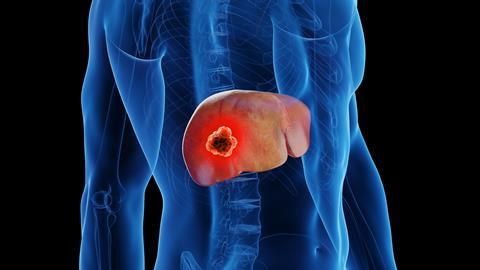
Researchers from the Nagourney Cancer Institute and Metabolomycs have identified previously unrecognised therapeutic vulnerabilities in Fibrolamellar cancer, a rare and highly lethal liver cancer affecting teenagers and young adults.
The findings were presented at the American Society of Clinical Oncology (ASCO) meeting and were developed in collaboration with the FibroFighters Foundation.
Using a combination of mass spectrometry and functional profiling, scientists found evidence suggesting that Fibrolamellar cancers arise through changes in cellular metabolism. The discovery could help explain why the disease has remained resistant to conventional chemotherapy while opening the door to new targeted treatment approaches.
Fibrolamellar cancer is a rare form of liver cancer that primarily affects people between the ages of 15 and 25. Around 600 new cases are diagnosed in the United States each year, making the disease difficult to study at scale.
Surgical removal of tumours remains the primary treatment option, with chemotherapy often used after surgery or in cases where the disease has returned or spread.
Functional profiling reveals unexpected drug sensitivity
The researchers used Ex vivo analysis of programmed cell death (EVA/PCD), a laboratory platform developed by the Nagourney Cancer Institute that measures how tumours respond to drugs outside the body.
The analysis showed that Fibrolamellar cancers were resistant to standard chemotherapy treatments but demonstrated unexpected sensitivity to drugs targeting cellular metabolism.
Scientists then examined blood samples from Fibrolamellar patients using targeted mass spectrometry, a technique that measures metabolic byproducts in blood and tissue.
The researchers used Ex vivo analysis of programmed cell death (EVA/PCD), a laboratory platform developed by the Nagourney Cancer Institute that measures how tumours respond to drugs outside the body
“The metabolic signatures stood out like a sore thumb compared to normal controls,” said Dr Robert Nagourney, a senior investigator on the study.
Researchers believe these metabolic abnormalities may be linked to a known DNA gene rearrangement associated with the disease, called DNAjB1-PRKACA, which appears to alter cellular metabolism.
The combined results from functional profiling and mass spectrometry suggest these metabolic changes could represent vulnerabilities that may be exploited therapeutically.
Advances in mass spectrometry drive new insights
Nagourney said recent developments in quantitative mass spectrometry have made it possible to explore longstanding theories about the relationship between cancer and metabolism.
“For over a century, scientists have been trying to connect cancer to cellular energy production and metabolism. But it wasn’t until the development of quantitative mass spectrometry that we could test many of these hypotheses,” said Dr Nagourney.
For over a century, scientists have been trying to connect cancer to cellular energy production and metabolism
Metabolomics, the scientific field underpinning the study, focuses on measuring metabolic byproducts in blood and other body fluids using mass spectrometry. Researchers say advances in targeted mass spectrometry are now creating direct clinical applications in cancer diagnosis and treatment.
The EVA/PCD platform used in the study is designed to help identify the most effective therapies for individual patients before drugs are administered, potentially improving treatment response and survival rates in advanced cancers.
Foundation continues mission after personal loss
The research was supported by the FibroFighters Foundation, a non-profit organisation dedicated to advancing the study and treatment of Fibrolamellar cancers.
The foundation was established by Tom Stockwell after his son died from the disease at the age of 22. Working alongside Dr Paul Kent, a paediatric oncologist and the foundation’s medical director, Stockwell has focused on expanding research into the condition.
Funding for the project was also provided by the Bickerstaff Family Foundation, The Vanguard Cancer Foundation, The Rosalie and Harold Rae Brown Foundation and The Nagourney Institute.
Full findings from the research are expected to be published in the journal, Cancers.









No comments yet