



Published in Nature Medicine, the largest genetic study of fibromyalgia to date has identified 26 disease-associated genomic loci, implicating nervous system pathways and genes linked to Huntington’s disease.
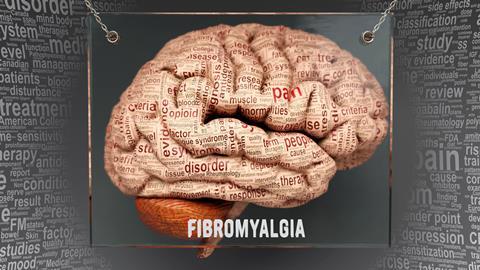
The largest genetic study of fibromyalgia to date has identified 26 genomic regions associated with the chronic pain condition, providing fresh new data on its underlying biology and highlighting potential areas for future drug discovery.
Published in Nature Medicine, the international study analysed genetic data from more than 2.5 million adults, including 55,000 people with fibromyalgia. The findings provide the strongest evidence yet that the condition is primarily a disorder of the nervous system rather than an autoimmune disease, helping to address longstanding uncertainty surrounding its biological basis.
Fibromyalgia affects around two percent of the global population and is characterised by widespread pain and tenderness, fatigue and problems with sleep, memory and mood. Despite its prevalence, the condition has been poorly understood and its existence has often been questioned.
New genetic clues to disease biology
Drawing on data from 11 health research studies across the US, UK, Finland, Estonia, Denmark and Iceland, researchers identified DNA sequence variants in 26 regions of the genome that influence the risk of developing fibromyalgia. Many of the genes within these regions play important roles in brain and nerve function.
“This work changes how we think about fibromyalgia at a fundamental level,” said Dr Michael Wainberg, an investigator at the Lunenfeld-Tanenbaum Research Institute, part of Sinai Health and the University of Toronto and co-senior author on the paper. “For decades, patients have been dismissed or told their pain is simply psychological. Our findings confirm the condition has a clear biological basis.”
This work changes how we think about fibromyalgia at a fundamental level
To better understand the biological significance of these genetic variants, the researchers integrated their results with a dataset containing 20 million cells from multiple tissues. They found that genes located near the fibromyalgia-associated variants were more active in nervous system cells than in other cell types, providing further evidence that neurological pathways play a central role in the disease.
Link to Huntington’s disease
Among the 26 genetic variants identified, the strongest association with fibromyalgia risk was found within the HTT gene, mutations of which are known to cause Huntington’s disease. Another variant implicated GPR52, a receptor that regulates HTT levels and is already under investigation as a potential drug target for Huntington’s disease.
Among the 26 genetic variants identified, the strongest association with fibromyalgia risk was found within the HTT gene
The study also identified substantial genetic overlap between fibromyalgia and other chronic pain-related conditions, including low back pain, irritable bowel syndrome and post-traumatic stress disorder. According to the researchers, these findings suggest that shared biological mechanisms within the nervous system may contribute to multiple chronic pain syndromes.
“We know that chronic pain syndromes cluster together in individuals and families and are genetically similar,” said Dr Frances Williams, a rheumatologist at TwinsUK, King’s College London and co-author on the study. “Targeting the shared mechanisms underlying them could potentially benefit a whole cluster of disorders.”
Laying the groundwork for future therapies
Despite finding multiple genetic risk factors, the researchers say that genetics alone does not determine whether someone develops fibromyalgia. They suggest additional triggers, such as painful arthritic conditions, are likely to interact with genetic susceptibility.
“Understanding how genes, environmental exposures and life events jointly contribute to risk of fibromyalgia syndrome is critical,” said Dr Nasa Sinnott-Armstrong, Assistant Professor at Fred Hutch Cancer Center and co-senior author on the paper. “Further research into triggers of fibromyalgia and corresponding changes to neural tissues will help understand what drives fibromyalgia and how to treat it.”
Understanding how genes, environmental exposures, and life events jointly contribute to risk of fibromyalgia syndrome is critical
Although the findings will not immediately lead to new diagnostic tests or treatments, they provide a solid foundation for future research into the biology of fibromyalgia and the development of more targeted therapies.
To build on this work, the researchers have established the Chronic Pain Genomics Consortium, which will investigate the genetic basis of other chronic pain conditions, beginning with pelvic pain.










No comments yet