



Kamuvudine K-9, an NRTI-derived inflammasome inhibitor developed at UVA Health, has demonstrated the ability to reverse paralysis and vision loss in mice with MS, preserve myelin and nerve fibres, and suppress neurofilament light chain.
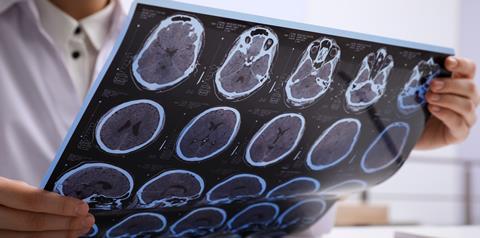
A new drug developed by UVA Health has stopped and reversed paralysis and vision loss in mice with multiple sclerosis (MS), according to a new research study.
The findings demonstrate existing MS treatments are primarily designed to reduce future inflammatory attacks rather than restore neurological function that has already been lost.
The drug, Kamuvudine K-9, was developed by Jayakrishna Ambati, MD, founding director of UVA’s Center for Advanced Vision Science and the DuPont Guerry III Professor in the UVA School of Medicine’s Department of Ophthalmology.
Nerve damage reversed
In laboratory experiments, K-9 preserved nerve fibres and their myelin insulation, which are damaged by MS. Treatment also stopped increases in neurofilament light chain (NfL), a blood biomarker associated with nerve damage.
Animals treated with an existing approved MS drug did not recover nearly as much function as those given K-9 in the same experiments.
Ambati said the findings were supported by evidence from existing HIV medicines from which K-9 was derived. These drugs, known as nucleoside/nucleotide reverse transcriptase inhibitors (NRTIs), are already approved for use in people.
An analysis of health insurance data from more than three million people found that NRTI use was associated with a 41 percent reduction in the risk of developing MS and a 36 percent reduction in the annual relapse rate among people with the condition.
“Most MS therapies are aimed at preventing the next attack. What’s remarkable is that K-9 not only prevented further neurological deterioration, but animals recovered function they had already lost,” said Ambati. “When that recovery is considered together with the preservation of nerve tissue, the NfL response and the human epidemiologic findings, we believe there is a compelling rationale to test this approach in patients.”
Targeting inflammation
MS is the most common disabling neurological disease among young adults. The condition typically develops between the ages of 20 and 40 and can cause symptoms including vision loss, extreme fatigue, weakness and difficulty moving.
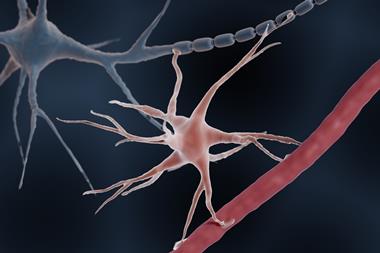
The disease is thought to occur when the immune system attacks the myelin sheaths that protect nerve fibres, disrupting communication between the brain and the body.
Ambati discovered that NRTIs can block an inflammatory pathway known as inflammasome activation. This led to the development of K-9 as an alternative that appears to be safer and more effective.
The drug has already entered clinical trials for eye diseases including diabetic macular oedema and thyroid eye disease. Researchers say this existing clinical experience could help accelerate its evaluation as a potential MS treatment.
Further clinical testing needed
Despite the results, K-9 remains experimental for MS and controlled clinical trials will be needed to establish whether the recovery seen in mice can be replicated in people.
Researchers also hope the findings could contribute to research into other neurodegenerative diseases involving inflammasome activation and axonal injury, including amyotrophic lateral sclerosis (ALS).
“Inflammasome inhibition is now recognised as the cutting edge of therapies for multiple inflammatory diseases,” said Ambati. “K-9 and the related K-8, which has already shown remarkable efficacy in macular degeneration, could also be beneficial in other diseases such as Alzheimer’s disease and Parkinson’s disease.”














1 Reader's comment