



Researchers at the University of Rochester have combined capsid-engineered adeno-associated viral vectors with glymphatic delivery to achieve widespread, glial-selective gene therapy in the brain – potentially transforming treatment strategies for a range of neurological diseases driven by glial dysfunction.
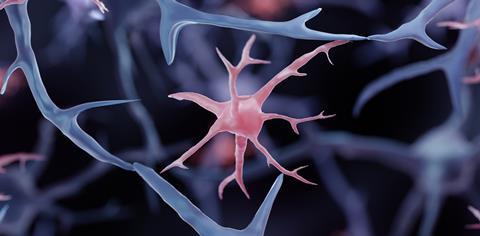
Researchers at the University of Rochester have developed a gene therapy platform that uses the brain’s own glymphatic transport system to distribute therapeutic genes throughout the brain. This method could provide a potential new approach for treating neurological disorders including multiple sclerosis, Huntington’s disease and rare childhood white matter diseases.
The Nature Biotechnology study combines specially engineered adeno-associated viruses (AAVs) with a delivery method that exploits the brain’s natural fluid transport pathways. Together, the innovations enabled researchers to deliver therapeutic genes widely across the brain while preferentially targeting human glial cells and reducing exposure to other tissues.
Tackling two major barriers
One of the biggest challenges in neurological medicine is delivering therapies across the blood-brain barrier while ensuring they reach the correct cells without affecting healthy tissues elsewhere in the body.
“Gene delivery to the brain has always faced two major obstacles,” said Dr Steve Goldman, MD, Co-director of the University of Rochester Medicine Center for Translational Neuromedicine and lead author of the study. “You need a way to get therapies into the brain selectively and efficiently and you need vectors that can deliver those therapies to the right cells once they get there. This work addresses both challenges simultaneously.”
The research builds on years of work investigating glial cells, which support brain function, produce myelin and help regulate neuronal health. Increasing evidence suggests these cells play a significant role in neurological diseases previously thought to affect only neurons.
“Over the last decade, we’ve learned that many neurological disorders involve glial dysfunction as a major driver of disease,” Goldman said. “That realisation has created an urgent need for tools that can safely and efficiently deliver therapies to these cells throughout the brain.”
Engineering viruses to target glial cells
To create a more targeted delivery system, the researchers engineered a library of modified AAV5 viral vectors, each carrying small changes to its outer protein shell, or capsid. The vectors were screened in mice transplanted with human glial progenitor cells, allowing the team to identify variants that most effectively infected human glial cells in the living brain.
“Human cells display different molecular signatures than mouse cells, and cells behave differently in the brain than they do in a dish,” said Goldman. “By selecting vectors under biologically relevant conditions, we were able to identify candidates with a strong preference for human glia.”
The resulting vectors successfully targeted human glial progenitor cells and their descendants, including astrocytes and oligodendrocytes, while showing limited infection of peripheral tissues.
Using the brain’s own transport network
The team paired the engineered vectors with a novel delivery strategy based on the glymphatic system, a network of fluid-filled pathways that circulates cerebrospinal fluid through the brain to remove metabolic waste.
The vectors were delivered into the cisterna magna, a fluid-filled compartment at the base of the brain, alongside hypertonic treatment to enhance uptake into the glymphatic network. This enabled widespread distribution throughout brain tissue while largely bypassing the blood-brain barrier and reducing exposure to organs such as the liver, which is commonly affected by toxicity in conventional systemic gene therapies.
“The glymphatic system is changing the way we think about brain drug delivery,” Goldman said. “Rather than trying to force therapies across the blood-brain barrier from the bloodstream, we can use the brain’s own transport pathways to distribute them more effectively where they are needed.”
Potential for neurological diseases
The researchers believe the platform could be valuable for diseases involving glial dysfunction, including inherited childhood disorders affecting the brain’s white matter.
“These are diseases where the biological target is well defined,” Goldman said. “If you can deliver the corrective gene broadly throughout the brain, there is a real opportunity to change the course of disease.”
The team also sees potential applications in multiple sclerosis, age-related white matter loss, Huntington’s disease and other neurodegenerative disorders. The reseachers are now exploring the use of artificial intelligence to design viral capsids with specific targeting characteristics, with the aim of accelerating the development of future gene therapies.
“We envision a future in which vectors can be designed for specific diseases and specific cell populations,” Goldman said. “This study shows that by combining targeted vector engineering with glymphatic delivery, we can begin to build that future.”








No comments yet