



All Drug Delivery articles
-
 News
NewsBacterial microrobot platform achieves 82 percent tumour inhibition in bladder cancer
A hybrid microrobotic platform combining living bacteria, nanoparticles and targeted chemotherapy has achieved 82.4 percent tumour inhibition in preclinical bladder cancer models.
-
 News
NewsWhiteLab Genomics raises $26m to advance AI-designed genomic medicines
TechBio firm WhiteLab Genomics has closed a $26 million Series B round to expand in vivo validation of its AI-designed genomic medicines across viral and non-viral delivery platforms.
-
 News
NewsMathematical model reveals self-reinforcing mechanism behind HE-S2 ADC cancer therapy
A mathematical model developed by researchers from Mass General Brigham and the University of Cyprus suggests that the experimental immunomodulatory antibody-drug conjugate HE-S2 may become progressively more effective as it reduces tumour size.
-
 News
NewsNasal spray delivers amniotic vesicles to combat Alzheimer’s disease
A nasal spray using extracellular vesicles derived from the amniotic membrane has shown promise against Alzheimer’s disease, reducing neuroinflammation, protecting neuronal function and preserving memory in experimental models.
-
 News
NewsBioLife patents effervescent oral peptide delivery platform targeting GLP-1 therapies
BioLife has been granted a US patent for its effervescent OralMatrix oral peptide delivery platform, with preclinical data showing measurable systemic semaglutide exposure and patent claims extending across six GLP-1 medicines.
-
 Article
Why more ribosomes can mean less protein in mRNA therapeutics
What happens when the cellular machinery making therapeutic proteins slows down? New research in Nature shows why translation speed could matter for the design of mRNA medicines.
-
 News
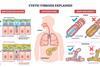
NewsEngineered tRNAs and lipid nanoparticles target nonsense mutation cystic fibrosis
A preclinical study combining chemically modified suppressor tRNAs with inhaled lipid nanoparticles has restored functional CFTR protein production across bronchial epithelial cells, mouse models and patient-derived organoids, offering a potential new therapeutic strategy for nonsense mutation-driven cystic fibrosis.
-
 Webinar
From antibody discovery to development: long-read sequencing in practice
As sequencing continues to grow in importance across biotherapeutic discovery and development, where can it make the biggest impact and how can fragmented workflows be overcome?
-
 News
NewsReview challenges one-size-fits-all approach to OSCC drug delivery
A new review published in the European Journal of Pharmaceutics and Biopharmaceutics argues that no single local drug-delivery formulation will suit every oral squamous cell carcinoma tumour, urging researchers to anchor development in clinical and biological context from the outset.
-
 News
NewsFirst multi-responsive foldamer-based gel offers new approach to controlled drug delivery
Researchers at the University of Birmingham have engineered a switchable gel built from synthetic foldamer molecules that responds to light, heat and acid — a platform with potential implications for controlled drug delivery and targeted therapeutic release.
-
 News
NewsScientists identify a new vaccine design strategy for stronger HIV immunity
Two preclinical studies published in Science Translational Medicine suggest that the binding strength and structural repetitiveness of vaccine nanoparticles could be a critical design parameter in the long-running effort to generate broadly neutralising antibodies against HIV.
-
 News
NewsNanomedicine for glioblastoma: overcoming the blood-brain barrier
A new review published in Chinese Neurosurgical Journal examines how nanoscale drug delivery systems could help overcome one of the most persistent obstacles in glioblastoma treatment – getting therapeutics across the blood–brain barrier and into tumour tissue.
-
 News
NewsGlymphatic gene therapy platform targets brain’s glial cells precisely
A new gene therapy platform exploiting the brain’s glymphatic transport system and engineered AAV5 vectors could offer a targeted treatment route for multiple sclerosis, Huntington’s disease and rare white matter disorders.
-
 Article
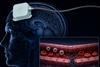
Why the blood–brain barrier blocks most drugs – and how ultrasound could help
The blood–brain barrier protects the brain from harmful substances, but it also prevents many medicines from reaching their target. Researchers are investigating whether focused ultrasound could safely improve drug delivery.
-
 News
NewsWhat regenerative medicine can learn from multifunctional biomaterials
Researchers at the Indian Institute of Technology Gandhinagar have developed an injectable hydrogel incorporating a novel cerium–rutin metal–phenolic nanocomplex that simultaneously targets oxidative stress, inflammation and bacterial contamination in deep wounds—without the use of antibiotics.
-
 News
NewsNon-endocytic delivery bypasses endosomal barriers for gene therapy
A new review examines how physical, bioengineered and biomimetic delivery platforms that bypass conventional endocytic uptake pathways could transform the clinical development of gene therapies, mRNA treatments and protein-based medicines.
-
 Article
How spatial biology is tracking antibody drugs inside tumours
Many antibody therapies fail to reach all cancer cells within solid tumours. Researchers have developed a spatial biology technique that maps antibody distribution alongside the tumour microenvironment to investigate why.
-
 Article
Synthetic iMSCs: reprogramming ovarian cancer from the inside out
Ovarian cancer has long proved difficult to treat. Could the answer lie within the disease itself? Discover how synthetic iMSCs could reprogramme the tumour microenvironment and restore anti-tumour immunity.
-
 News
NewsResearchers reveal how entinostat disrupts pancreatic cancer repair
Scientists at the Salk Institute have discovered how the investigational HDAC inhibitor entinostat disrupts DNA repair mechanisms in pancreatic cancer cells, potentially enabling more effective combination therapies with reduced toxicity through novel nanoparticle delivery systems.
-
 News
NewsmRNA vaccine shows promise against childhood neuroblastoma cancer
Preclinical study demonstrates effectiveness of experimental mRNA vaccine against neuroblastoma, reducing tumour size by 70 percent and delaying development. RCSI researchers used peptide nanoparticles targeting GPC2 protein to direct immune response against cancer cells, offering potential new treatment approach for aggressive childhood malignancy.