



All Drug Delivery articles – Page 5
-
 Article
Why scientists are targeting the gut to treat peanut allergy
A new oral immunotherapy could change how peanut allergy is treated, targeting the gut to retrain the immune system and reduce the risk of life-threatening reactions. INP20’s nanoparticle technology promises a safer, more precise approach that could replace lifelong avoidance with lasting tolerance.
-
 Article
PDX models are back – and they’re exposing what cell lines missed
As cancer drugs continue to fail in translation, researchers are turning back to patient-derived xenograft (PDX) models – this time with better science. Could they be the missing link between the lab and the clinic?
-
 News
NewsMapping lung disease: new atlas to accelerate drug discovery
Helmholtz Munich and Parse Biosciences have collaborated to create the world’s largest lung disease perturbation atlas – which could aid the discovery of new therapeutic targets and accelerate the development of future lung disease treatments.
-
 News
NewsBreakthrough glioblastoma research wins £400k charity funding
King’s College London and Medicines Discovery Catapult have secured £400,000 from The Brain Tumour Charity to fast-track a new drug delivery approach for glioblastoma, the most aggressive brain cancer. The project will support preclinical studies to move potential treatments closer to patients.
-
 News
NewsNew nanostructure makes CRISPR edits safer and three times faster
Northwestern University researchers have created DNA-coated nanoparticles that deliver CRISPR into cells three times more effectively while reducing toxicity. The advance could overcome one of the biggest barriers to gene-editing therapies.
-
 Article
Inside the search-and-develop model tackling 1,000 untreated skin diseases
With over 1,000 skin diseases lacking approved treatments, a search-and-develop model is changing how new therapies are sourced and developed. Chief Scientific Officer, Jacob Pontoppidan Thyssen, outlines the strategy behind it.
-
 News
NewsKey newborn liver cells could boost paediatric gene therapy
A small subset of newborn liver cells – known as clonogenic hepatocytes – drives over 90 percent of adult liver growth. New research shows how targeting these cells early could improve the effectiveness and durability of paediatric gene therapies.
-
 News
NewsNew AI method maps how tuberculosis drugs destroy bacteria
Scientists at Tufts University have developed an AI tool that demonstrates how tuberculosis drugs kill bacteria – an advancement that could speed-up the discovery of shorter, more effective treatments.
-
 Article
Gene therapies that listen and respond: the power of RNA regulation
Most gene therapies rely on static DNA promoters to control gene activity, but nature uses far more sophisticated tools. Dr Matthew Dale explores how harnessing RNA-level control could enable treatments that sense and respond in real time, offering unprecedented precision and safety.
-
 Article
Consumables engineered for speed and reproducibility in drug discovery
What if familiar lab formats could be redesigned to remove the weak points in permeability and absorbance testing? This article explores how design choices in common consumables can improve both speed and reproducibility in early-stage research.
-
 News
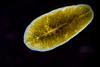
NewsPlanaria flatworms provide new way to study schizophrenia drugs
A new study has shown that small pond worms, called planaria, respond to psychiatric drugs like rodents – offering a promising new way of studying mental health conditions such as schizophrenia and addiction.
-
 Webinar
Overcoming Affinity and Expression Bottlenecks in TCR Discovery
This expert-led webinar discusses how to break through common bottlenecks in TCR discovery with practical strategies that help teams move faster and smarter.
-
 Article
From injections to pills: oral peptides set to transform drug development
Oral peptide-based drugs are set to revolutionise the pharmaceutical industry, overcoming the long-standing challenge of poor bioavailability. Santosh Kulkarni reveals how new breakthroughs in drug discovery and delivery offer the potential for more convenient, effective treatments for a range of conditions – without the need for injections.
-
 News
NewsTurning up the heat: simple temperature change makes versatile vaccine nanoparticles
University of Chicago researchers have developed a scalable nanoparticle platform that self-assembles with just a temperature change – enabling safe, solvent-free delivery of proteins and RNA for vaccines and therapies.
-
 News
NewsNew lipid nanoparticle boosts mRNA delivery fivefold in cancer study
Japanese researchers have engineered a new lipid nanoparticle that delivers mRNA to cells five times more effectively, resulting in stronger immune responses and tumour suppression in mice.
-
 News
NewsIntersectin protein discovery may help treat cognitive disorders
Researchers have discovered that the protein intersectin plays a crucial role in organising synaptic vesicles – enabling direct communication essential for learning and memory.
-
 Article
From lab to clinic: the rise of Radio-DARPins in oncology
As radioligand therapy continues to show promise, its application in solid tumours remains limited by long-standing biological challenges. In this interview, Julien Torgue, CSO at Orano Med, discusses a new collaborative platform – Radio-DARPins – and how it could help overcome key barriers to clinical progress.
-
 News
NewsNew sticky material mimics gecko feet to fight tumours
Inspired by the gecko lizard’s grip, scientists at CU Boulder have developed a sticky, biodegradable material that clings to tumours and delivers chemotherapy drugs over several days.
-
 News
NewsSmart nanogels help CAR-T cells penetrate tumours
Researchers in China have developed a next-generation CAR-T cell therapy armed with nanogels that can penetrate the dense barriers of solid tumours. This addresses a major limitation in the treatment of solid cancers with immunotherapy.
-
 News
NewsNew weekly injection could transform Parkinson’s disease treatment
A new weekly injection developed by University of South Australia scientists could change Parkinson’s treatment by replacing the need for multiple daily pills – potentially helping millions of patients worldwide.