



All Drug Delivery articles – Page 7
-
 News
NewsNasal spray gene therapy shows potential to treat lung diseases
Researchers at Mass General Brigham have developed a new gene therapy delivery system, AAV.CPP.16, that targets the lungs via nasal spray, which could offer a potential breakthrough in respiratory gene therapy.
-
 Whitepaper
Guide: Create DNA Template for In Vitro mRNA Synthesis
Learn how to simplify the entire DNA template generation workflow, streamlining mRNA therapeutic research.
-
 News
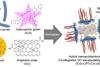
NewsBacteria-boosted nanoparticles offer a triple threat against cancer
A new cancer therapy combines multiple treatment strategies into a single graphene oxide-based nanocomposite. It uses bacterial components to enhance immune response and scalability, creating a powerful and cost-effective approach to tackling tumours.
-
 Webinar
AI-powered drug discovery: Accelerating the development of life-saving therapies
AI in drug discovery is no longer theoretical. It’s already speeding up target identification, improving predictions, and cutting waste. Learn how to apply it in your own discovery pipeline.
-
News
New hydrogel tech shows promise for treating post-traumatic osteoarthritis
Researchers from Mass General Brigham have developed a hydrogel to improve drug delivery for post-traumatic osteoarthritis (PTOA), which ensures sustained medication release, even under joint movement, addressing a major challenge in current treatments.
-
 Webinar
Advancing ADC Development: End-to-End Solutions from Design to Characterization
Dr. Francisca Neethling from Eurofins Discovery explores the comprehensive process of ADC development, covering payload linker design, optimization, and the bioanalytical and functional characterization of ADC molecules.
-
 Article
New advances in hormone replacement therapy set to transform care
Hormone replacement therapy has long been used to treat low hormone levels, but existing delivery methods struggle with poor adherence and inconsistent hormone delivery. Lisa Stehno-Bittel of Likarda and Charles Virden of VitalTE discuss a novel approach using hormone-filled microbeads in hydrogels for steady, extended release after monthly self-injections.
-
 Webinar
Solving the AOC puzzle: Strategies for chemistry, manufacturing and regulatory success
Watch our webinar with Abzena’s experts to explore practical solutions for overcoming chemistry, manufacturing and regulatory challenges in antibody-oligonucleotide conjugate (AOC) development, enabling progress for previously untreatable diseases.
-
 Article
New insights into surfactant spread for lung drug delivery
A recent study led by Dr Richard McNair highlights the role of the Marangoni effect in surfactant spreading, offering potential improvements in drug development and delivery for lung diseases.
-
 News
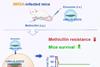
NewsScientists turn superbug MRSA into treatable infection
Researchers have discovered a breakthrough method to silence MRSA's drug resistance, restoring its sensitivity to standard antibiotics and offering new hope in the fight against superbugs.
-
 Article
Empowering women in STEM: championing change in genetics
An advocate for genetic medicines and the enormous potential they hold, Leah Sabin at Regeneron Genetic Medicines reveals how passion and curiosity can forge the path to a rewarding career in STEM.
-
 News
NewsRestoring the gut: VE303's strategy for C. diff relief
A new publication in Nature Medicine highlights the potential of VE303 for preventing recurrent C. difficile infection, detailing its impact on the gut microbiome and immune response.
-
 News
NewsCollaboration aims to advance automated insulin technology for diabetes
UVA Center for Diabetes Technology and Tandem Diabetes Care partner to advance automated insulin delivery systems for diabetes management.
-
 News
NewsNew painless vaccine technology targets viruses
Learn how Kindeva and Emervax are advancing vaccine delivery with painless, needle-free technology designed to improve accessibility and uptake worldwide.
-
 Webinar
Advancing obesity drug discovery: Cell-based assays for GLP-1 and the G-Suite
Gain valuable insights into the latest advancements in obesity drug discovery and enhance your research capabilities.
-
 News
NewsNon-invasive eye drops provide new solution for dry AMD patients
A new peptide-based eye drop treatment for dry AMD offers a non-invasive, effective alternative to injectable therapies, enhancing patient convenience and care.
-
 News
NewsEngineers target neurons with modified lipid nanoparticles
Researchers at the University of Pennsylvania have engineered lipid nanoparticles to target neurons, advancing mRNA treatments for brain diseases.
-
 News
NewsRadiotracer targets key cancer biomarker for precision treatment
A breakthrough in molecular imaging could transform how doctors target solid tumours, offering more personalised and effective treatment options.
-
 News
NewsHalozyme’s €2 billion bid to transform drug discovery
By acquiring Evotec, Halozyme aims to enhance drug discovery and delivery, driving substantial growth in the pharmaceutical sector.
-
 News
NewsNew DNA nanostructures set to transform cancer treatment
A University of Sydney study reveals how DNA origami can build programmable nanostructures, with promising applications in targeted drug delivery and nanorobotics.