



A programmable DNA-strand platform developed at the University of Geneva uses dual biomarker recognition to deliver cytotoxic drugs exclusively to tumour cells.
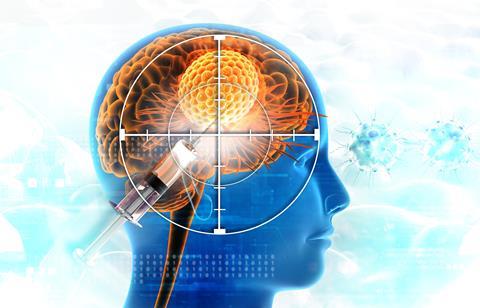
A new DNA-based technology developed by researchers at the University of Geneva (UNIGE) could offer cancer patients a more precise and effective drug delivery system that goes directly into tumour cells, while sparing healthy tissue.
Targeted drug delivery has already changed cancer treatment in recent years, particularly through antibody–drug conjugates (ADCs). These therapies use engineered antibodies to carry toxic agents straight to cancer cells, reducing the widespread damage often caused by traditional chemotherapy. However, despite their success, ADCs still face limitations, including difficulty penetrating deep into tumours and a restricted capacity for carrying drug payloads.
Smaller molecules, greater precision
To overcome these challenges, the UNIGE team has developed a system based on DNA strands. Because these molecules are significantly smaller than antibodies, they can move more easily through tumour tissue and deliver therapeutic agents more efficiently.
The approach uses separate DNA strands to carry different functional components, including two cancer-targeting binders and a cytotoxic drug.
The approach uses separate DNA strands to carry different functional components, including two cancer-targeting binders and a cytotoxic drug. These elements are designed to assemble only when they encounter specific markers on cancer cells.
A smarter way to target cancer
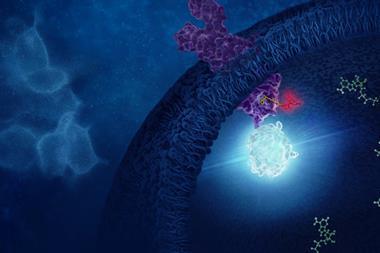
The system works by recognising two distinct biomarkers present on tumour cells. When both markers are detected, the DNA strands bind together in a process known as a hybridisation chain reaction, triggering the release of the drug precisely at the tumour site.
This mechanism acts like a biological safety switch ensuring that treatment is only activated under the right conditions. If one of the markers is absent, the reaction does not occur and the drug remains inactive. The process has been compared to two-factor authentication used in online banking, where access is granted only when multiple conditions are met.
Laboratory tests have shown promising results. The technology was able to accurately identify cancer cells with specific surface proteins and deliver potent drugs directly to them, leaving nearby healthy cells unaffected. Researchers also demonstrated that multiple drugs could be combined within the same system, potentially helping to prevent or overcome resistance to treatment.
Drugs that can ‘compute’
“This could mark an important step forward in the evolution of medicine, with the introduction of a self-operating drug system,” said Nicolas Winssinger, Full Professor in the Department of Organic Chemistry of the School of Chemistry and Biochemistry at UNIGE and last author of the study. “Until now, computers and AI have helped us design new drugs. What’s new here is that the drug itself can, in a simple way, ‘compute’ and respond intelligently to biological signals.”
This could mark an important step forward in the evolution of medicine, with the introduction of a self-operating drug system
The concept is inspired by basic computing logic. Just as digital systems rely on operations such as ‘and’, ‘or’ and ‘not’, this technology applies similar principles at the molecular level. In its current form, it uses an ‘and’ logic gate, meaning the drug is only activated when both cancer biomarkers are present.
Towards programmable medicine
Researchers believe this is only the start as future versions of the system could incorporate more complex logic functions, enabling drugs to make increasingly sophisticated decisions inside the body.
Such advances could lead to fully programmable medicines that adapt to each patient’s unique biology, improving outcomes while reducing side effects. Rather than replacing clinicians, these innovations are intended to enhance precision and effectiveness in treatment.







No comments yet