



All Nanoparticles articles
-
 News
NewsBacterial microrobot platform achieves 82 percent tumour inhibition in bladder cancer
A hybrid microrobotic platform combining living bacteria, nanoparticles and targeted chemotherapy has achieved 82.4 percent tumour inhibition in preclinical bladder cancer models.
-
 News
NewsWhiteLab Genomics raises $26m to advance AI-designed genomic medicines
TechBio firm WhiteLab Genomics has closed a $26 million Series B round to expand in vivo validation of its AI-designed genomic medicines across viral and non-viral delivery platforms.
-
 News
NewsIn vivo CAR T review charts path to off-the-shelf cellular therapy
A review from researchers at Naval Medical University and Shanghai Jiao Tong University examines how engineering CAR T cells directly inside the body could cut manufacturing complexity and expand patient access to cellular immunotherapy.
-
 News
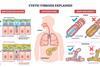
NewsEngineered tRNAs and lipid nanoparticles target nonsense mutation cystic fibrosis
A preclinical study combining chemically modified suppressor tRNAs with inhaled lipid nanoparticles has restored functional CFTR protein production across bronchial epithelial cells, mouse models and patient-derived organoids, offering a potential new therapeutic strategy for nonsense mutation-driven cystic fibrosis.
-
 News
NewsScientists identify a new vaccine design strategy for stronger HIV immunity
Two preclinical studies published in Science Translational Medicine suggest that the binding strength and structural repetitiveness of vaccine nanoparticles could be a critical design parameter in the long-running effort to generate broadly neutralising antibodies against HIV.
-
 News
NewsNanomedicine for glioblastoma: overcoming the blood-brain barrier
A new review published in Chinese Neurosurgical Journal examines how nanoscale drug delivery systems could help overcome one of the most persistent obstacles in glioblastoma treatment – getting therapeutics across the blood–brain barrier and into tumour tissue.
-
 News
NewsWhat regenerative medicine can learn from multifunctional biomaterials
Researchers at the Indian Institute of Technology Gandhinagar have developed an injectable hydrogel incorporating a novel cerium–rutin metal–phenolic nanocomplex that simultaneously targets oxidative stress, inflammation and bacterial contamination in deep wounds—without the use of antibiotics.
-
 News
NewsmRNA vaccine shows promise against childhood neuroblastoma cancer
Preclinical study demonstrates effectiveness of experimental mRNA vaccine against neuroblastoma, reducing tumour size by 70 percent and delaying development. RCSI researchers used peptide nanoparticles targeting GPC2 protein to direct immune response against cancer cells, offering potential new treatment approach for aggressive childhood malignancy.
-
 News
NewsMetal microrobots deliver drugs and biopsies before dissolving
Swallowable metal microrobots that transform shape to deliver drugs and collect tissue samples before safely dissolving could replace invasive endoscopy procedures.
-
 News
NewsCells use nanoparticle couriers to exchange biological information
University College Dublin researchers have discovered that cells use nanoparticle-based courier systems coated with proteins and RNA to exchange biological information. The findings detail how natural cellular gateways could be exploited to deliver therapeutic molecules to previously inaccessible locations, potentially changing the way RNA, gene and protein-based therapies work.
-
 News
News3D-printed drug carriers deliver chemotherapy directly to tumours
Novel FRESH 3D printing technology enables fabrication of nanoscale spanlastic carriers for localised anticancer drug delivery. Early in vitro studies have demonstrated enhanced cellular uptake and tumour cell killing whilst potentially minimising systemic toxicity associated with conventional chemotherapy administration.
-
 News
NewsLipid nanoparticles deliver dual therapy for lung cancer
Oregon State University researchers have developed engineered lipid nanoparticles that deliver follistatin mRNA directly to lung tumours, simultaneously targeting cancer growth and muscle-wasting cachexia in preclinical studies.
-
 News
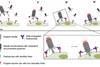
NewsDNA ‘needle’ bypasses cellular defences to deliver therapeutics
A microscopic DNA nanostructure inspired by bacteriophages can deliver therapeutic molecules directly into cells whilst evading endosomal traps that typically render treatments ineffective. The virus-inspired platform, demonstrated in breast cancer cells, could address the longstanding challenge that only one per cent of oligonucleotide therapeutics reach their cellular targets.
-
 News
NewsDNA-based system delivers targeted cancer drugs via biomarker logic
Researchers at the University of Geneva have developed a DNA-based drug delivery platform that uses molecular logic gates to identify cancer cells through dual biomarker recognition. The system activates cytotoxic agents only when both tumour markers are present, offering enhanced specificity over current antibody–drug conjugates while enabling deeper tissue penetration and multi-drug combinations.
-
 News
NewsSonoPIN ultrasound method shows promise for targeted cancer therapy
A new ultrasound-based technique developed by researchers at Duke University uses microbubbles to deliver cancer drugs directly into tumour cells, showing promise for highly targeted treatments that cause minimal damage to healthy tissue.
-
 News
NewsSimple amino acid mix dramatically improves gene therapy delivery
Scientists have discovered that adding a simple cocktail of three common amino acids to lipid nanoparticle injections can dramatically improve the delivery of mRNA and CRISPR therapies.
-
 News
NewsLab-made lncRNA could lead to new anti-inflammatory drugs
Scientists at the University of Toronto have created long noncoding RNA outside living cells for the first time, a breakthrough that has already produced experimental anti-inflammatory molecules.
-
 News
NewsWater interaction key to smarter nanomedicine design
Scientists at Arizona State University have discovered that the way nanoparticles interact with water determines how they behave inside the human body, providing a new thermodynamic framework that could lead to more effective nanomedicines.
-
 News
NewsMessy lipid nanoparticles deliver RNA more effectively
New research shows that lipid nanoparticles used in mRNA vaccines may deliver RNA more effectively when their structure is disorganised.
-
 News
NewsVirus-mimicking LENN nanoparticles deliver mRNA to bladder cancer cells
Researchers have developed virus-inspired LENN nanoparticles that deliver mRNA therapies directly to bladder cancer cells, remain stable after freeze-drying and avoid triggering immune responses.