



Breast cancer cells that spread to the lungs can hijack the organ’s natural repair system to fuel their own growth, with an existing anti-inflammatory drug showing potential to disrupt this process.
New research from scientists at the University of Colorado Anschutz Cancer Center has discovered how breast cancer cells that spread to the lungs exploit the body’s own healing processes to support tumour growth, whilst also highlighting the possibility of an existing drug that could slow the disease.
How cancer hijacks lung repair
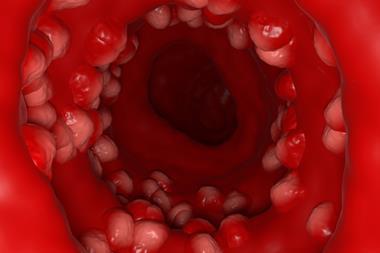
When breast cancer spreads to the lungs, it damages the tiny air sacs needed for breathing. Under normal circumstances, the lung responds quickly to repair this injury. However, the researchers found that cancer cells can manipulate this process.
When breast cancer spreads to the lungs, it damages the tiny air sacs needed for breathing.
Instead of allowing repair to complete, the tumour cells keep the lung locked in a prolonged state of healing. This leads to chronic inflammation and creates an environment that supports tumour growth.
Specialised cells known as alveolar type II cells, which typically help regenerate lung tissue, appear to play a central role in this process. In the presence of cancer, these cells begin releasing signals that encourage tumours to expand.
“The lung is doing what it is designed to do and that is to clear debris and repair damage,” said Dr Jessica Christenson, first author of the study and an instructor in the Department of Pathology at CU Anschutz. “But in this case cancer cells are taking advantage of that repair response.”
A harmful feedback loop
The team discovered that a two-way communication develops between cancer cells and lung cells. Tumour cells activate the lung’s repair mechanisms, while lung cells in turn release substances that further fuel cancer growth.
This feedback loop allows metastatic tumours to establish themselves and continue expanding within the lungs.
Existing drug shows promise
To explore whether this process could be disrupted, the researchers tested roflumilast, an anti-inflammatory drug already approved for treating chronic obstructive pulmonary disease.
In mouse models of metastatic breast cancer, the drug slowed tumour growth and reduced the size of lung tumours.
In mouse models of metastatic breast cancer, the drug slowed tumour growth and reduced the size of lung tumours. Rather than directly killing cancer cells, roflumilast appeared to work by altering the lung environment so that it was less supportive of tumour development.
“This suggests a new strategy for treating metastatic cancer,” said Dr Jennifer Richer, senior author of the study and Professor of Pathology at the CU Anschutz Cancer Center. “In addition to targeting cancer cells themselves, we may also be able to target the environment that allows them to thrive.”
Why the findings matter
Breast cancer becomes significantly harder to treat once it spreads beyond the breast, with the lungs among the most common sites of metastasis. Around one third of patients with metastatic breast cancer develop tumours in the lungs, where treatment options remain limited.
Because roflumilast is already approved for another condition, researchers believe it could potentially be repurposed more quickly than completely new drugs.
Next steps towards the clinic
The team will now investigate how roflumilast might be combined with existing treatments such as chemotherapy or immunotherapy. They are also exploring inhaled versions of similar drugs that could deliver treatment directly to the lungs.
The team will now investigate how roflumilast might be combined with existing treatments.
“We are very excited to translate these findings to the clinic and evaluate roflumilast as a treatment for patients with triple-negative breast cancer to prevent recurrence in the lungs,” said Jennifer Diamond, MD, Professor of Medical Oncology, Medical Director of the Cancer Clinical Trials Office at the CU Anschutz Cancer Center and a collaborator on the project.







No comments yet