



Researchers at Helmholtz Munich have developed a dual-action molecule that uses incretin receptors as cellular entry points to deliver a metabolic modulator directly into target cells.

A new experimental approach for treating obesity and type 2 diabetes has shown encouraging results in laboratory studies, with researchers reporting reduced appetite, greater weight loss and improved blood sugar control in mice.
The study, led by metabolism researcher and Director of the Institute for Diabetes and Obesity at Helmholtz Munich, Professor Timo D Müller, centres on a hybrid molecule designed to deliver targeted effects inside specific cells.
Targeting cells more precisely
Modern incretin therapies, which mimic the body’s natural satiety and blood glucose signals through GLP-1 and GIP pathways have already changed treatment options for obesity and type 2 diabetes. However, researchers say there is still a need to enhance their effects without increasing unwanted side effects.
“Our guiding question was: how can we enhance incretin activity without creating a second, systemically active source of side effects?” said Müller, who is also a professor at the Ludwig Maximilian University of Munich and researcher at the German Center for Diabetes Research.
Modern incretin therapies, which mimic the body’s natural satiety and blood glucose signals through GLP-1 and GIP pathways have already changed treatment options for obesity and type 2 diabetes
To address this, Müller’s team developed what they describe as an ’address label with cargo’. The hybrid molecule links a known incretin component with a second drug, lanifibranor, a pan-PPAR agonist that influences fat and sugar metabolism.
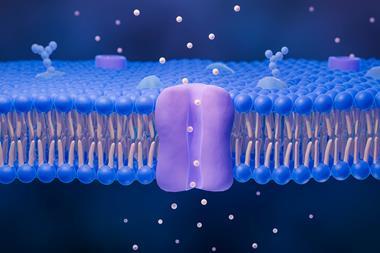
The incretin element binds to GLP-1 or GIP receptors on the cell surface, allowing the compound to enter the cell. Once inside, the second component activates PPARs, which regulate genes involved in metabolic processes. The aim is to limit this additional effect to specific target cells rather than the whole body.
‘Trojan horse’ mechanism
Functionally, the hybrid molecule acts on five targets simultaneously, activating two receptors on the cell surface and three internal switches. Müller describes the principle as a ’Trojan horse’: the incretin part opens the door; the ’cargo’ acts only once it is inside the target cell.
“A major advantage is the amount,” said Müller. “Because the second component is not administered separately and systemically, but ‘travels along’ with the incretin part, it can be used at a dose that is orders of magnitude lower.”
This targeted delivery could allow the treatment to retain effectiveness while reducing the risk of side effects linked to broader distribution in the body.
Promising results in mice
In mice with diet induced obesity, the hybrid approach produced some interesting benefits.
“The animals ate less and lost more weight than under a GLP-1/GIP co-agonist without cargo,” says Dr Daniela Liskiewicz, a group leader at the Institute for Diabetes and Obesity and co-first author together with Dr Aaron Novikoff. “In the head-to-head comparisons shown, the effect was in part even stronger than with a GLP-1-only drug.”
The animals ate less and lost more weight than under a GLP-1/GIP co-agonist without cargo
The researchers say this suggests the approach does more than simply replicate existing treatments, instead it strengthens incretin activity in ways that are measurable.
Improvements beyond weight loss
The study also found improvements in blood glucose levels and signs of enhanced insulin function. Insulin appeared more effective at moving glucose from the bloodstream into tissues, while the liver released less glucose.
Importantly, the team reports that gastrointestinal side effects were comparable to current incretin therapies. They also found no signs, in the parameters studied, of fluid retention or anaemia, both of which are potential concerns linked to the added drug component.
There were also early indications of possible benefits for heart and liver health, although these findings require further study.
Next steps towards human studies
Despite their promising findings, the studies are based on preclinical work in mice and may not directly translate to humans. Differences in the GIP receptor between species could affect how the treatment performs.
Despite their promising findings, the studies are based on preclinical work in mice and may not directly translate to humans
“We see a principle with strong effects in the animal model – now the task is to optimise the approach for humans and move it towards the clinic,” said Müller.
He adds that further development will depend on collaboration with industry partners to advance the therapy into clinical testing.









No comments yet