



All Pharmacology articles
-
 News
NewsMLY2 and MLY8 compounds show promise as ulcerative colitis treatment candidates
Two experimental compounds derived from a phase II metabolite have demonstrated improved anti-inflammatory activity in preclinical models of ulcerative colitis.
-
 News
NewsInsilico Medicine nominates AI-designed ISM1354 GIPR antagonist for obesity
Insilico Medicine has nominated ISM1354, an AI-designed small-molecule GIPR antagonist, as a preclinical candidate for obesity and related metabolic disorders.
-
 News
NewsMathematical model reveals self-reinforcing mechanism behind HE-S2 ADC cancer therapy
A mathematical model developed by researchers from Mass General Brigham and the University of Cyprus suggests that the experimental immunomodulatory antibody-drug conjugate HE-S2 may become progressively more effective as it reduces tumour size.
-
 News
NewsExperimental drug reverses paralysis and vision loss in MS mice
A novel inflammasome inhibitor derived from HIV antivirals has reversed established neurological deficits in a preclinical MS model, raising hopes for a restorative approach to a disease where current therapies focus primarily on relapse prevention.
-
 News
NewsOestrogen receptor alpha identified as right ventricle protector in pulmonary hypertension
Scientists at National Jewish Health have identified oestrogen receptor alpha as a potential therapeutic target for preserving right ventricular function in pulmonary hypertension.
-
 News
NewsWhy researchers are targeting Nav1.7 in the search for longer-lasting pain relief
Humanised antibodies targeting the voltage-gated sodium channel Nav1.7 have demonstrated prolonged suppression of neuropathic pain in a rat model.
-
 News
NewsBioLife patents effervescent oral peptide delivery platform targeting GLP-1 therapies
BioLife has been granted a US patent for its effervescent OralMatrix oral peptide delivery platform, with preclinical data showing measurable systemic semaglutide exposure and patent claims extending across six GLP-1 medicines.
-
 News
NewsReview challenges one-size-fits-all approach to OSCC drug delivery
A new review published in the European Journal of Pharmaceutics and Biopharmaceutics argues that no single local drug-delivery formulation will suit every oral squamous cell carcinoma tumour, urging researchers to anchor development in clinical and biological context from the outset.
-
 News
NewsBRAF identified as novel target for neuropathic pain treatment
Researchers at MD Anderson Cancer Center have discovered that BRAF, a protein well known for its role in cancer, may also drive chronic pain following nerve injury – raising the prospect of repurposing approved cancer drugs as treatments for neuropathic pain.
-
 Article
Targeting childhood myopia progression with 7-methylxanthine
Childhood myopia researcher Dr Klaus Trier explores how 7-methylxanthine targets scleral remodelling and axial elongation, and its potential to slow disease progression and reduce the risk of high myopia.
-
 News
NewsTriple drug combination targets cancer and senescent cells simultaneously
A three-drug combination targeting shared metabolic vulnerabilities in cancer and senescent cells has improved physical performance and extended survival in aged mice, whilst avoiding the thrombocytopenia associated with existing navitoclax-based regimens.
-
 News
NewsDoxycycline found to disrupt bacterial ribosomes via two unknown mechanisms
Researchers have identified two previously unknown mechanisms by which doxycycline inhibits bacterial protein synthesis, findings that could inform the design of next-generation antibiotics against drug-resistant pathogens.
-
 Article
How spatial biology is tracking antibody drugs inside tumours
Many antibody therapies fail to reach all cancer cells within solid tumours. Researchers have developed a spatial biology technique that maps antibody distribution alongside the tumour microenvironment to investigate why.
-
 News
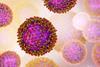
NewsOral antiviral GHP-88310 candidate shown to block measles transmission in ferret model
An experimental oral antiviral has demonstrated the ability to prevent both airborne and contact-based transmission of a measles surrogate virus in ferrets, offering a potential new tool to complement vaccination during outbreaks.
-
 News
NewsNew drug SB-0110 targets levodopa’s two biggest clinical limitations for Parkinson’s
A computational biology-derived compound has shown promise in preclinical models by simultaneously improving levodopa response and reducing dyskinesia — two of the most significant challenges in long-term Parkinson’s disease management.
-
 Article
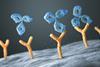
Antibody recycling, FcRn and the next generation of biologics
One receptor can protect antibodies from degradation, extend their half-life and become a drug target itself. Explore the science behind FcRn and how researchers measure its function.
-
 News
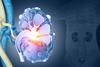
NewsNew kidney water regulation mechanism could improve polycystic kidney disease treatment
Scientists at Mayo Clinic have discovered a previously unknown mechanism by which kidneys regulate water balance, offering new therapeutic possibilities for polycystic kidney disease patients experiencing severe side effects from current treatments.
-
 News
NewsCopper drug Cu(ATSM) reduces Alzheimer’s proteins by 42 percent in preclinical study
A copper-delivering compound has demonstrated the ability to restore blood-brain barrier clearance mechanisms, reducing amyloid-beta accumulation by 42 percent and improving spatial learning by 44 percent in Alzheimer’s disease models, according to research published in ACS Chemical Neuroscience.
-
 Article
Pomegranate-derived compound shows therapeutic potential in heart disease
Researchers at Cardiff University have identified urolithin A – a compound produced by gut bacteria during the metabolism of substances found in pomegranates – as a new approach for treating cardiovascular disease.
-
 News
NewsFerroptosis emerges as strategy against treatment-resistant digestive cancers
Researchers are investigating ferroptosis, an iron-dependent cell death pathway, as a potential approach to overcome treatment resistance in digestive cancers.