A herb called Launaea nudicaulis could be used to treat peptic ulcers, with early research suggesting both gastroprotective benefits and potential applications in natural product drug discovery.
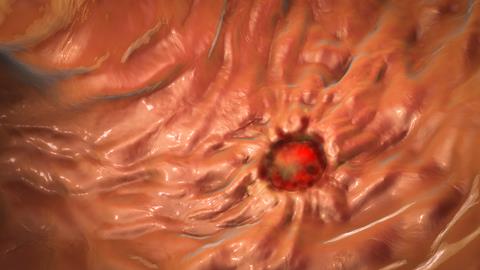
Around 10 percent of the global population suffers from peptic ulcers, according to World Health Organization statistics. To combat this, patients are often prescribed proton pump inhibitors (PPIs) for long-term management, however, prolonged use of these medications can lead to side effects including osteoporosis and intestinal dysbiosis. As concerns grow over the long-term safety of conventional treatments, attention is now turning towards alternative approaches.
New research explores overlooked medicinal plant
A recent study by two Indian researchers examined the effects of the herb, Launaea nudicaulis, commonly known as al-hewa or bold-leaf launaea, in the treatment of peptic ulcers.
Compared with subjects exposed to aspirin alone, those treated with HELN showed marked improvements.
The researchers investigated the impact of a hydroalcoholic extract of Launaea nudicaulis (HELN) in experimental rat models. Compared with subjects exposed to aspirin alone, those treated with HELN showed marked improvements. These included stabilised weight gain and reduced areas of haemorrhagic erosion. At the highest tested dose of 400 mg/kg, the therapeutic effect demonstrated a clear dose-dependent relationship.
The findings suggest that the extract may counteract ulcer formation and support gastric healing.
Acid suppression and protective effects
“Whether administered independently or under compound modelling conditions, HELN effectively lowered gastric free acid concentration and elevated pH values to near-normal ranges,” said corresponding author Shivani Ghildiyal. “This highlights its potent acid-suppressive capabilities, which help create an environment unfavourable for pathogenic bacterial proliferation.”
In addition to reducing acidity, the study monitored several biomarkers linked to oxidative stress and mucosal integrity.
In addition to reducing acidity, the study monitored several biomarkers linked to oxidative stress and mucosal integrity. HELN intervention appeared to activate antioxidant defence systems in vivo. Researchers also observed an increase in mucus layer thickness, suggesting not only restoration but even enhancement of the original mucosal barrier function. Together, these effects are believed to contribute to faster wound healing.
Further investigation required
Despite the early promising signs, the authors say that several mechanistic pathways still need to be explored.
The research team hopes that subsequent studies will examine additional factors including epithelial turnover rates, regulation of parietal cell calcium signalling, mucosal microcirculation, prostaglandin synthesis and COX and LOX pathways to fully clarify the plant’s way of functioning.
Before the extract can be developed into a standardised phytopharmaceutical product, further research into chronic toxicity studies and bioassay-guided isolation of active compounds will be needed to ensure both safety and efficacy.
While still at an early stage, the findings suggest that Launaea nudicaulis may represent a promising candidate in the ongoing search for safer and more sustainable treatments for peptic ulcer disease whilst also contributing to the wider field of natural product-based drug discovery.