



A new regenerative therapy using three-dimensional cardiac organoids has demonstrated the ability to repair heart tissue damaged by myocardial infarction in preclinical trials.
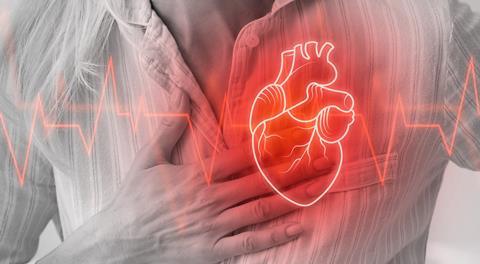
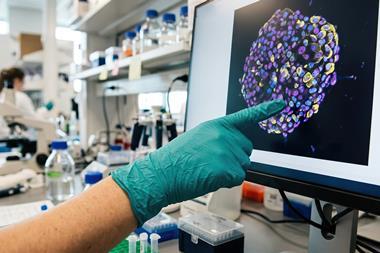
Scientists have developed a new regenerative therapy using cardiac organoids that could help repair damage caused by heart attacks and lead to alternative treatments.
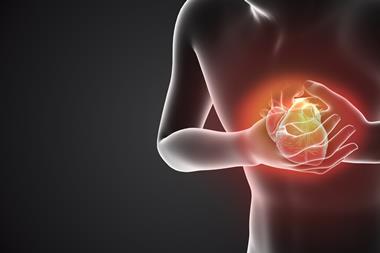
Myocardial infarctions, commonly known as a heart attacks, are one of the leading causes of death worldwide. When a heart attack occurs, part of the heart muscle is permanently damaged and replaced with scar tissue. Although this scar tissue helps maintain the structure of the heart, it weakens the organ’s ability to pump blood effectively and can eventually lead to chronic heart failure.
Myocardial infarction, commonly known as a heart attack, are one of the leading causes of death worldwide
Current treatments for heart attacks mainly focus on restoring blood flow and controlling symptoms. However, they do not reverse the loss of functioning heart muscle.
Researchers have investigated cell-based therapies as a possible solution for regenerating damaged tissue. Yet progress towards clinical use has been slowed by concerns over cell survival, production scalability and safety, particularly the risk of triggering dangerous heart rhythm disturbances known as arrhythmias.
New strategy based on cardiac organoids
In the study, led by Dr Carolina Gálvez-Montón from the Germans Trias i Pujol Research Institute and Dr Kurt Pfannkuche from the University of Cologne developed a new approach designed to overcome many of these barriers.
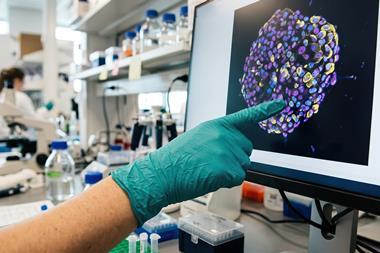
For the study, scientists established a production system based on bioreactor technology that allows the cardiac organoids to be generated at a scale suitable for possible future clinical applications.
Researchers said the development is important because one of the main limitations of regenerative therapies has been the difficulty of producing sufficient quantities of tissue safely and consistently.
Promising results in preclinical trials
The new treatment approach was tested in pigs with myocardial infarction at the Comparative Medicine and Bioimage Centre of Catalonia.
According to the findings, the cardiac organoids successfully integrated into damaged heart tissue and were linked to improvements in cardiac function. The treatment also reduced the size of scar tissue that formed following the heart attack.
Importantly, researchers reported that no arrhythmogenic effects were observed under the conditions tested, addressing one of the key safety concerns surrounding previous regenerative therapies.
According to the findings, the cardiac organoids successfully integrated into damaged heart tissue and were linked to improvements in cardiac function
“This work provides a new approach to addressing the limitations of cell-based therapies in the context of myocardial infarction, particularly in terms of scalability and safety,” says Dr Gálvez-Montón. “Although these are preclinical results, they open the door to further advances in the development of regenerative strategies based on organoids.”
The researchers said the findings support the growing potential of cardiac organoids as a platform for future regenerative therapies aimed at repairing the heart after injury.
Further research still needed
While the results are promising, the scientists stressed that the work remains at a preclinical stage and further studies will be needed before the treatment can be tested in patients.
Future research will focus on confirming the long-term safety and effectiveness of the organoids in clinical settings, as well as refining manufacturing methods for wider medical use.
Nevertheless, experts believe the study represents a significant advancement in the search for therapies capable of restoring functional heart tissue after heart attacks.


No comments yet