



All Cardiovascular disease articles
-
 News
NewsBCAT1 enzyme identified as fibrosis target after heart attack
Researchers at Nagoya University have identified BCAT1, an enzyme involved in proline supply for collagen synthesis, as a potential target for reducing cardiac fibrosis following myocardial infarction.
-
 News
NewsInsilico Medicine nominates AI-designed ISM1354 GIPR antagonist for obesity
Insilico Medicine has nominated ISM1354, an AI-designed small-molecule GIPR antagonist, as a preclinical candidate for obesity and related metabolic disorders.
-
 News
NewsOestrogen receptor alpha identified as right ventricle protector in pulmonary hypertension
Scientists at National Jewish Health have identified oestrogen receptor alpha as a potential therapeutic target for preserving right ventricular function in pulmonary hypertension.
-
 News
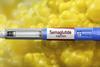
NewsGLP-1 drug semaglutide extends lifespan and slows ageing in older mice
A new NIH-funded study suggests the GLP-1 receptor agonist semaglutide may slow biological ageing and extend lifespan in older mice, raising the prospect that GLP-1 drugs could one day be developed as broad longevity-enhancing interventions.
-
 News
NewsPeptide vaccine targeting PCSK9 reduces cholesterol and atherosclerotic plaque in mice
A structure-guided peptide vaccine targeting PCSK9 has reduced LDL cholesterol and atherosclerotic plaque burden in mouse models, offering a potential longer-lasting alternative to existing PCSK9-targeting biologics, though primate results remain inconclusive.
-
 Article
How rare genetic variants could uncover new drug targets
What if extreme levels of common traits have a different genetic basis? New research suggests rare, large-effect variants could help explain the extremes and identify potential drug targets.
-
 News
NewsHuman heart organoids with functioning valves model cardiac valve disorders
Researchers have engineered human heart organoids complete with functioning valves, creating a physiologically relevant platform to study valve disorders including mitral valve prolapse and valve calcification, and potentially accelerating the search for new treatments.
-
 News
NewsBMP3 protein identified as therapeutic target for pulmonary arterial hypertension
Scientists at the Fralin Biomedical Research Institute have identified bone morphogenetic protein 3 as a protective factor in lung blood vessels, with preclinical data showing that restoring its levels can reverse hallmark features of pulmonary arterial hypertension.
-
 News
NewsNew drug target identified to protect hearts in DMD patients
Researchers at the University of South Florida have identified NOX4 as a potential therapeutic target for DMD-related cardiomyopathy, with experimental drug Setanaxib demonstrating cardioprotective effects in preclinical models.
-
 News
NewsPCSK9 peptide vaccine lowers LDL cholesterol in preclinical studies
A structure-guided peptide vaccine targeting PCSK9 has demonstrated durable antibody responses and reduced LDL cholesterol levels in mouse models of hypercholesterolaemia, offering a potential long-lasting alternative to current lipid-lowering therapies.
-
 News
NewsStem cell organoids repair heart microvessels in coronary artery disease models
Stanford University researchers have demonstrated that stem cell-derived vascular organoids can regenerate damaged microvessels in the heart, improving cardiac function in a porcine model of ischaemic heart disease and addressing a significant unmet need in coronary artery disease treatment.
-
 News
NewsPeptide vaccine targeting PCSK9 proves effective in cardiovascular disease models
A peptide vaccine targeting PCSK9 has demonstrated sustained antibody responses and reductions in LDL cholesterol and atherosclerotic plaque formation in animal models, offering a potential long-term alternative to current lipid-lowering therapies.
-
 News
NewsFish-inspired sensor detects heartbeat of lab-grown cardiac organoids
A biomechanical well plate inspired by the pressure-sensing lateral line of fish can wirelessly monitor the pulse of multiple lab-grown cardiac organoids simultaneously, offering a scalable new platform for cardiovascular drug testing.
-
 News
NewsThalidomide shows potential for treating rare brain vascular malformations
Researchers in China have reported encouraging preclinical and early clinical evidence that thalidomide may help stabilise and reduce rare vascular malformations affecting the brain and spinal cord, potentially offering the first medical treatment option for patients with central nervous system arteriovenous malformations who are unsuitable for invasive procedures.
-
 Article
Pomegranate-derived compound shows therapeutic potential in heart disease
Researchers at Cardiff University have identified urolithin A – a compound produced by gut bacteria during the metabolism of substances found in pomegranates – as a new approach for treating cardiovascular disease.
-
 News
NewsHow researchers are recreating the human heart in the lab
Many promising therapies fail because preclinical models do not fully capture the complexity of the human heart. A new review explores how 3D cardiac constructs could improve disease modelling, drug screening and safety assessment.
-
 News
NewsCardiac organoids repair heart attack damage in preclinical study
Researchers have developed a scalable bioreactor-based system to produce cardiac organoids that successfully integrated into damaged heart tissue in porcine models of myocardial infarction, improving cardiac function and reducing scar formation without triggering arrhythmias.
-
 News
NewsPERM1 protein linked to heart recovery in LVAD patients
A newly identified protein may explain why some failing hearts recover function following mechanical support while others do not.
-
 News
NewsCircio’s circular RNA platform shows 40-fold gene expression boost
Circio Holding has presented preclinical data at ASGCT demonstrating that its circVec circular RNA platform achieved up to 40-fold greater gene expression in cardiac tissue and 50-fold in ocular tissue compared with conventional AAV gene therapy approaches, potentially enabling significant dose reductions and improved safety profiles.
-
 News
NewsCD4+ T cells identified as key to hepatitis B clearance
University of California, San Francisco researchers have identified a crucial immune mechanism involving CD4+ T cells that explains why some chronic hepatitis B patients successfully clear the virus after stopping antiviral treatment.