



A new study has demonstrated the key role CD4+ T cells play in enabling some chronic hepatitis B patients to eliminate the virus after stopping treatment, potentially informing future immunotherapy strategies for the disease.

Researchers at the University of California, San Francisco have identified a key immune mechanism that may explain why some patients with chronic hepatitis B are able to clear the virus after stopping treatment.
The researchers focussed on a type of immune cell known as CD4+ T cells, which appear to recognise hepatitis B infection in the liver and coordinate an immune attack capable of eliminating the virus. They believe the findings could lead to new treatments that use the body’s natural defences to find a cure.
The study builds on a mystery first observed by doctors in Europe around 15 years ago. Physicians noticed that when some chronic hepatitis B patients stopped taking antiviral medication, the virus initially rebounded before disappearing altogether in several cases.
Researchers suspected that the returning virus was somehow triggering the immune system into action.
“It’s taken us many years to explain why some of our patients are able to beat hepatitis B,” said Dr Jody Baron, a professor of Medicine at UCSF and co-senior author of the paper. “We think this could lead to much better treatments based on the liver’s natural biology.”
Chronic infection remains a global challenge
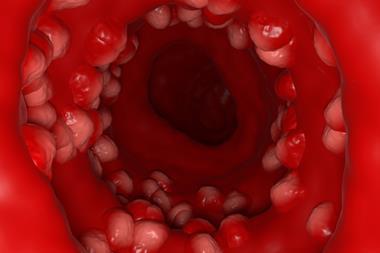
Hepatitis B affects hundreds of millions of people worldwide and is a major cause of liver disease and death. Although vaccines and antiviral therapies can suppress the virus, more than one million people die every year from complications linked to the infection.
The virus is most commonly transmitted from mother to child at birth. Infections acquired early in life frequently become chronic because the immature immune system struggles to mount an effective response. Adults who become infected, however, are much more likely to clear the virus naturally.
Hepatitis B affects hundreds of millions of people worldwide and is a major cause of liver disease and death
Scientists at UCSF wanted to understand why some chronic hepatitis B patients develop an effective immune response after treatment ends while others do not.
“When treatment stops in a structured way, about a third of patients can mount the right immune response and clear the virus – something we almost never see during treatment,” said Stewart Cooper, a member of the UCSF Liver Center and co-senior author of the paper. “But that observation didn’t lead to change for most patients.”
Mouse studies reveal crucial immune response
To investigate further, the research team engineered mice to produce hepatitis B proteins while lacking immune cells from birth. The animals were then given transplants of fresh immune cells to test whether those cells could identify the virus as a threat.
The experiments showed that immune transplants containing CD4+ T cells rapidly recognised hepatitis B proteins in adult mice and triggered an immune response. However, in younger mice, the CD4+ cells failed to react.
“The mouse models show how childhood hepatitis B becomes chronic, while adult hepatitis B can be overcome,” said Dr Gabriela Fragiadakis, a computational immunologist and professor at UCSF and co-senior author of the paper.
Patient samples mirror laboratory findings
The researchers also analysed blood samples from chronic hepatitis B patients who had gradually stopped antiviral treatment. Some patients successfully cleared the virus while others did not.
Among patients who eliminated the infection, CD4+ cells in the liver became increasingly active as the virus replicated. This pattern was absent in patients who failed to clear the disease.
Among patients who eliminated the infection, CD4+ cells in the liver became increasingly active as the virus replicated
The findings challenge the long-standing belief that CD8+ ’killer’ T cells are the main drivers of hepatitis B clearance.
“Seeing the same immune patterns in both the mouse model and in patients gives us confidence we’re capturing something real about how this disease works,” said Fragiadakis.
Researchers believe future therapies could focus on stimulating CD4+ cells as patients come off antiviral medication, encouraging the immune system to complete the process of clearing the virus.









No comments yet