



All T Cells articles
-
 News
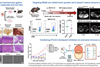
NewsKRAS inhibition and CTLA-4 blockade could overcome gastric cancer immunotherapy resistance
Researchers have identified oncogenic KRAS as a key driver of immunosuppression in gastric adenocarcinoma.
-
 News
NewsIn vivo CAR T review charts path to off-the-shelf cellular therapy
A review from researchers at Naval Medical University and Shanghai Jiao Tong University examines how engineering CAR T cells directly inside the body could cut manufacturing complexity and expand patient access to cellular immunotherapy.
-
 News
NewsMayo Clinic strategy restores CAR T targets on aggressive thyroid tumours
Mayo Clinic researchers have shown that approved thyroid cancer drugs can restore a key antigen on aggressive tumour cells, making them visible once more to CAR T cells and improving treatment outcomes in preclinical models.
-
 News
News‘Plug-and-play’ CAR T platform enables post-infusion immune cell reprogramming
City of Hope researchers have developed a modular ‘plug-and-play’ CAR T-cell platform that enables post-infusion reprogramming of engineered immune cells, offering a potential solution to treatment resistance driven by tumour evolution.
-
 Webinar
Mapping the prostate tumour microenvironment with spatial proteomics
As spatial proteomics advances, how can researchers find the complex biology of the prostate tumour microenvironment while preserving spatial context? Hear experts from the University of Surrey share their approach.
-
 News
NewsRegnase-1 deletion boosts CAR T-cell efficacy against paediatric osteosarcoma
St Jude researchers have demonstrated that deleting the Regnase-1 gene from CAR T cells significantly improves tumour control and prevents metastasis in preclinical models of relapsed osteosarcoma, paving the way for an early-phase clinical trial.
-
 News
NewsExhausted T cells escape tumours to drive lasting cancer immunity
A preclinical study has identified a subset of exhausted, LAG3-expressing T cells capable of migrating out of tumours to establish long-term immune memory, with potential implications for LAG3-targeting cancer immunotherapies.
-
 Article
Fibroblast barrier linked to immunotherapy resistance in colorectal cancer
Why do some colorectal cancers resist immunotherapy? Analysis of patient tumour samples has identified a population of fibroblasts that could help explain treatment resistance.
-
 News
NewsHow CAR T cells are being engineered to target tumour’s ‘soft spot’
A preclinical study published in Nature Biomedical Engineering describes a synthetic biology approach that converts the physical softness of cancer cells into a targetable signal for CAR-T immunotherapy, potentially addressing a key resistance mechanism in solid tumours.
-
 News
NewsWhat Oblenio’s Phase I trial means for autoimmune drug discovery
Oblenio Bio has dosed the first patients in a Phase 1a trial of LBL-051, a tri-specific T cell engager designed to simultaneously target CD19, BCMA and CD3 and eliminate both B cells and plasma cells in a bid to achieve durable immune reset in refractory autoimmune diseases.
-
 News
NewsHow dendritic cells organise tumour immunity – and why drug developers should take notice
A new study published in Science identifies a specialised dendritic cell subset as the cellular architects behind tertiary lymphoid structures, offering a potential new target for boosting anti-tumour immunity and converting immunologically cold tumours into treatment-responsive ones.
-
 Webinar
Meeting ethical & regulatory requirements when using human biological specimens
Whether you source, purchase or work with human biospecimens, understanding today’s ethical and regulatory expectations is essential. Join this webinar to explore informed consent, privacy and the principles that support responsible research.
-
 News
NewsNew bispecific T cell engager platform targets ovarian cancer in preclinical studies
Scientists at The Wistar Institute have engineered a DNA-delivered bispecific T cell engager using a ‘knob-into-hole’ antibody platform, demonstrating improved persistence and dual-antigen targeting in preclinical ovarian cancer models.
-
 News
NewsTumour organoids may expand access to targeted cancer drugs
Two studies from Weill Cornell Medicine demonstrate that patient-derived tumour organoids can accurately replicate cancers long-term and incorporate immune microenvironments, offering new potential for personalised treatment selection.
-
 News
NewsEpilepsy drug sodium valproate could improve vaccine immune responses
A commonly prescribed epilepsy drug has shown striking potential as a vaccine booster in a controlled human trial, more than doubling antibody levels and increasing T cell responses tenfold at a fraction of its standard therapeutic dose.
-
 News
NewsBlocking cathepsin B protein enhances CAR T-cell therapy effectiveness
University of Maryland researchers have discovered that blocking cathepsin B protein prevents CAR T-cells from losing effectiveness, potentially improving long-term outcomes for blood cancer patients. The preclinical findings reveal that engineered immune cells inadvertently weaken themselves by acquiring tumour fragments, a process that can be prevented through targeted protein inhibition.
-
 News
NewsPim1 kinase identified as therapeutic target for inflammatory arthritis
Researchers have identified Pim1 kinase as a critical driver of inflammatory arthritis through its regulation of Th17 cell differentiation via mitochondrial metabolism.
-
 Article
Flow-based human tumour models reveal immune responses missed by static culture
Static cultures can miss critical immune–tumour interactions. Learn how the Mera™ flow-based human tissue model better captures T-cell activity to strengthen preclinical immunotherapy research.
-
 News
NewsCytokine-armoured CAR T cells target glioblastoma while reducing treatment toxicity
UCLA Health researchers have developed cytokine-armoured CAR T cells that directly attack glioblastoma tumours whilst recruiting the body’s wider immune system. The engineered cells showed improved tumour control in mouse models and could address antigen heterogeneity challenges that have limited CAR T therapy success in solid tumours.
-
 News
NewsRadiotherapy boosts CAR T cell survival in solid tumours
Mount Sinai researchers have discovered that focused irradiation significantly enhances CAR T cell therapy effectiveness in solid tumours by promoting dendritic cell-mediated antigen presentation, enabling sustained immune cell expansion within the tumour microenvironment whilst minimising off-target toxicity.