



Researchers have developed a library of 220 patient-derived tumour organoids spanning 15 cancer types, demonstrating their long-term fidelity as preclinical models and their capacity to replicate the tumour immune microenvironment.
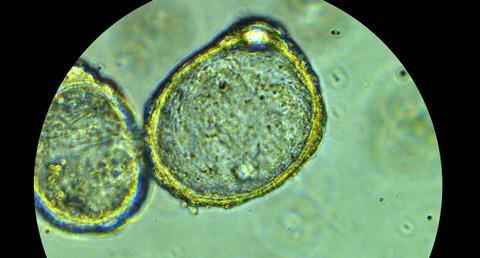
Significant developments in the creation of new patient-derived tumour organoids could lead to more personalised cancer treatments, according to two new studies led by investigators at Weill Cornell Medicine.
The research highlights the growing potential of three-dimensional tumour models to improve precision oncology by helping researchers evaluate treatments before they are given to patients.
Both studies demonstrate how tumour organoids can accurately replicate patients’ cancers over long periods and, for the first time, incorporate key elements of the tumour’s immune environment.
Improving preclinical cancer research
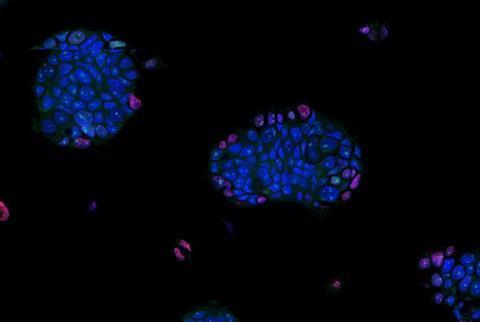
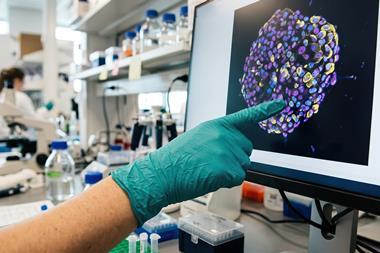
In one study, scientists at the Englander Institute for Precision Medicine developed a library of 220 organoids grown from tumour samples collected with informed patient consent. Derived from 190 patients across 15 different cancer types, the collection provides one of the most versatile platforms yet for cancer research.
The team found the organoids retained the microscopic appearance, genetic mutations and gene expression patterns of the original tumours, demonstrating their long-term reliability as preclinical models.
“The main takeaway from these studies is that patient-derived tumour organoids are becoming very useful tools for precision oncology,” said senior author Dr M Laura Martin, an assistant professor of research in systems and computational biomedicine (courtesy) and a director of the tumour organoid platform in the Englander Institute at Weill Cornell Medicine at the time the research was performed.
Expanding treatment possibilities
Researchers also used the organoids to investigate responses to the PARP inhibitor talazoparib in tumours that had previously been considered unsuitable for this type of treatment.
More than half of the organoids tested, 58 percent, showed substantial sensitivity to the drug, suggesting current clinical criteria may exclude some patients who could benefit. The team also identified genetic features linked to treatment response and drugs that could enhance talazoparib’s effectiveness.
“Essentially, these organoids appear to be very good preclinical models of the parent tumour and are practical models because they can be used long-term,” said study co-senior author Dr Andrea Sboner, an associate professor of pathology and laboratory medicine at the Englander Institute.
Replicating the tumour immune environment
The second study focused on lung tumour organoids containing T cells and other immune cells found within and around tumours. Replicating this immune microenvironment has long been recognised as a major challenge in cancer research despite its importance in determining treatment responses.
Researchers developed scalable, high-throughput tests to assess how these immune cells respond to different therapies, including checkpoint inhibitor treatments designed to strengthen the body’s immune response against cancer.
“All of the assays we developed for these ‘immunocompetent’ organoids are scalable for high-throughput testing, which highlights the promise of these models for precision medicine,” Dr Martin said.
Looking towards personalised treatment
The researchers believe tumour organoids could eventually be used as patient ’avatars’ during clinical trials, providing early insights into how experimental treatments may perform.
The team also envisages a future in which organoids grown from an individual patient’s tumour could be rapidly tested against multiple therapies to identify the most effective treatment before it is administered.
“It sounds like sci-fi but it’s not far away,” said Dr Mosquera.





No comments yet