



Antibody-drug conjugates (ADCs) present unique toxicology challenges. Learn which endpoints matter most, how they inform development decisions and why they are essential for building a robust nonclinical safety strategy.
Antibody-drug conjugates are expanding treatment options in oncology and other complex diseases by combining targeted delivery with highly potent cytotoxic payloads. These therapies offer new options for difficult-to-treat cancers and the potential for more precise treatment while limiting avoidable harm. However, their success depends on an early understanding of safety risks. In ADC development, toxicology strategies must go beyond detecting risk to understanding its underlying causes and how this should inform clinical decision-making.
Why ADC toxicology is different
In conventional drug development, nonclinical safety assessment is designed to characterise the relationship between pharmacologic activity, systemic exposure and adverse effects. For many small molecules that distribute widely and cause systemic toxicities, toxicology programmes focus on defining dose-dependent target organ effects, exposure-toxicity relationships and an optimal therapeutic window. For conventional monoclonal antibodies, adverse effects are more commonly associated with excessive on-target pharmacology, highlighting the importance of target tissue distribution, pharmacologic species relevance and mechanism-based safety monitoring.
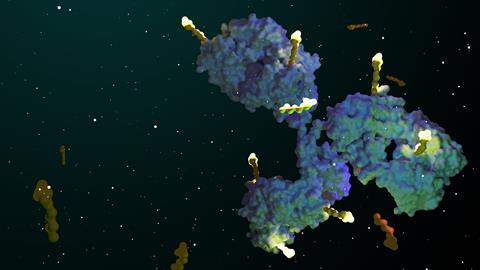
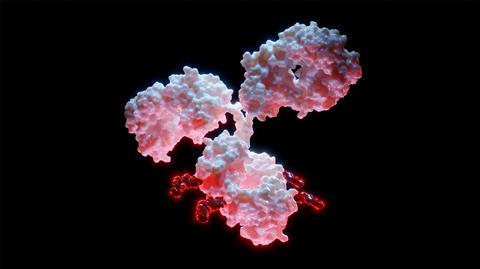
Unlike small conventional molecules and monoclonal antibodies, ADCs require a more integrated toxicology strategy. Each ADC combines a target-binding monoclonal antibody with a chemical linker and a highly potent cytotoxic payload. Consequently, the safety profile is influenced not only by each component but also by how those components interact.
Unlike small conventional molecules and monoclonal antibodies, ADCs require a more integrated toxicology strategy.
In addition to antigen binding and tissue expression, factors such as linker stability, drug-to-antibody ratio, payload release kinetics, nonspecific cellular uptake, catabolism and systemic free payload exposure also influence toxicity. Attributing toxicity findings to the component responsible is essential for managing these risks.
Toxicology programmes must evaluate the ADC as an integrated whole while also distinguishing the contributions of the antibody, linker and payload to dose-limiting toxicity and translational risk.
The importance of toxicity attribution
Although ADC-related toxicities may arise from different parts of the molecule or from how it is processed in vivo, identifying a safety signal is only the first step. Development teams must also determine what is driving that signal. This makes toxicity attribution a central part of ADC toxicology strategy.
Effective mitigation depends on whether the risk is linked to the payload, linker, antibody, target biology or nonspecific uptake.
• Payload-driven toxicity is often reflected in class-specific findings such as myelosuppression, neuropathy, hepatotoxicity, ocular toxicity or gastrointestinal injury. Mitigation may involve dose reduction, DAR optimisation, schedule modification or enhanced clinical monitoring.
• Linker-driven toxicity may occur when instability in circulation leads to premature payload release and increased systemic exposure. This may require improved linker stability, alternative linker chemistry or other design changes that reduce free payload exposure.
• Antibody-driven toxicity may result from on-target/off-tumour binding in normal tissues. This may require organ-specific surveillance, refined patient monitoring or, in some cases, reassessment of the target itself.
• Uptake-mediated toxicity can arise through nonspecific internalisation, Fc receptor interactions or tissue catabolism. This may require optimisation of ADC design features that influence tissue distribution, cellular uptake or systemic exposure.
Understanding these mechanisms helps drug developers identify the toxicology endpoints most relevant to development strategy.
The toxicology endpoints that drive strategic development decisions
For ADCs, the most useful toxicology endpoints are not simply those that generate the most data. They should help development teams make informed decisions about risk, dose, schedule, monitoring and candidate viability. A strong ADC toxicology strategy should therefore organise endpoints around three practical questions: What is the ADC doing to the body? Where is the risk emerging? How should these findings guide clinical development?
1. Establish the baseline safety profile
The first layer of assessment should define overall tolerability and identify early signs of systemic or organ-specific toxicity. General health observations, body weight, food consumption, clinical pathology, safety pharmacology and histopathology provide the foundation for assessing whether the ADC is broadly tolerated, which tissues are affected and whether findings are severe, reversible or potentially dose-limiting. These endpoints are important for identifying target organs of toxicity and determining whether a candidate has an adequate safety margin.
2. Focus on modality-relevant risk domains
ADC programmes should then prioritise the organ systems most likely to be affected by payload class, target distribution, linker stability and known platform liabilities. Haematologic, hepatic, neurologic, ocular, pulmonary, gastrointestinal and skin-related endpoints are often the most relevant. However, not every risk domain carries equal weight in every programme. A microtubule inhibitor payload may place greater emphasis on neuropathy and myelosuppression, while a topoisomerase inhibitor payload may require closer attention to gastrointestinal and pulmonary findings. Target expression in normal tissue may also increase the need for organ-specific monitoring.
3. Connect toxicity to exposure and mechanism
Toxicokinetic endpoints are central because they help explain why toxicity occurs. Measuring total antibody, intact ADC, conjugated payload and free payload can indicate whether findings are associated with the intact construct, premature payload release, cumulative exposure or systemic free payload exposure. Understanding this exposure-toxicity relationship is essential for interpreting DLTs, assessing linker performance and distinguishing payload-related toxicity from target-mediated or uptake-mediated effects.
4. Translate findings into clinical strategy
Finally, dose-defining and recovery endpoints bring the safety dataset together. Measures such as MTD, DLTs, NOAEL, HNSTD and recovery after dosing help determine the first-in-human starting dose, dose-escalation strategy, dosing interval, safety factors and monitoring plan. These endpoints provide the evidence needed to determine whether, how and under what conditions an ADC should advance to the clinic.
Defining dose, schedule and first-in-human readiness
Once the core toxicology dataset is established, the next step is to determine how those findings translate into a safe clinical starting point for first-in-human trials. For ADCs, this requires more than identifying a tolerated dose in vivo. Development teams must determine where toxicity begins, which findings limit further dose escalation, how exposure relates to toxicity and whether the proposed dosing interval allows sufficient recovery between doses.
Once the core toxicology dataset is established, the next step is to determine how those findings translate into a safe clinical starting point for first-in-human trials.
Dose-defining measures such as NOAEL, HNSTD, STD10, MTD and DLTs provide the foundation for this assessment but are most useful when interpreted alongside toxicokinetic data. Metrics such as Cmax, AUC, cumulative exposure, time above a relevant toxicity threshold and circulating free payload can help distinguish peak-driven toxicity from cumulative effects, premature payload release or schedule-related toxicity.
Together, these data define the ADC’s safe operating range. They inform the first-in-human starting dose, dose-escalation strategy, dosing interval, safety factors and early clinical monitoring, helping development teams balance the need to generate meaningful data while protecting patient safety.
Key toxicities influencing clinical monitoring and programme risk.
Not all safety findings carry the same implications for development. Once toxicities have been identified, the next question is whether they can be managed in a repeat-dosing clinical setting. Some toxicities are expected, dose-dependent and monitorable. Others may emerge late, worsen over time, recover slowly or create disproportionate risk because they are difficult to detect before becoming clinically significant.
ADC programmes should therefore evaluate toxicities not only by organ system but also by their impact. Haematologic and gastrointestinal toxicities are often manageable through monitoring, dose holds or schedule adjustments. Hepatic injury, pulmonary toxicity, ocular findings, neuropathy and skin toxicity may require closer scrutiny when they are severe, cumulative, poorly reversible or linked to target expression in normal tissues or known payload liabilities.
The key consideration is not simply whether a toxicity occurs, but whether it is predictable, monitorable, reversible and compatible with continued dosing. These characteristics determine whether a safety risk can be managed clinically or is likely to become programme-limiting.
A final word
For ADC developers, toxicology endpoints are more than required study outputs. They help explain mechanism, define a safe operating range and anticipate clinical risk. Used effectively, they support decisions about whether and how an ADC should progress into clinical development. Ultimately, a robust toxicology strategy is essential for translating complex drug modalities into clinical candidates.














No comments yet