






Why do promising CNS therapies struggle to translate into patients? Three experts explore how biomarkers can track therapeutic effects, improve patient selection and guide development decisions.
Developing new therapies for central nervous system (CNS) disorders remains one of the most difficult challenges in drug discovery. Complex disease biology, limited access to the brain and imperfect preclinical models can make it difficult to determine whether a promising therapeutic hypothesis will translate into meaningful effects in patients.
Biomarkers are giving researchers more ways to track the biology as a therapy moves through development. They can show whether a drug is engaging its intended target, help identify patients with the relevant pathology and reveal whether disease biology is beginning to change.
The challenge is knowing which signals matter most and how they should inform the next step. Dr Roland Bürli, Chief Scientific Officer at Scenic Biotech, Dr Francesca Capotosti, Senior Vice President of Research at AC Immune and Dr Antonella Pirone, Head of Translation at AstronauTx, explore how biomarkers can strengthen decisions from preclinical research through to clinical development – and what is still needed to improve translational confidence.
Why CNS biomarkers have lagged behind
Compared with fields such as oncology and immunology, biomarker development in CNS drug discovery has historically proved particularly challenging.
One longstanding barrier is the difficulty of accessing brain tissue. Unlike tumours or peripheral tissues, it cannot be routinely sampled from living patients, limiting researchers’ ability to characterise neurological disease biology as it progresses.
“The development of CNS biomarkers has lagged primarily due to limited, mainly post-mortem, access to brain tissue,” explained Capotosti.
The characteristics of neurological disorders can complicate matters further. Symptoms are often complex and disease progression can be slow, making early diagnosis difficult. The targets historically pursued in CNS drug discovery have not always been well suited to biomarker development either.
The development of CNS biomarkers has lagged primarily due to limited, mainly post-mortem, access to brain tissue.
Bürli points to G-protein coupled receptors and ion channels, two protein families that have traditionally been prominent targets for CNS disorders. For these targets, it can be difficult to identify measurable biochemical changes that occur soon after the target is modulated and can be detected in cerebrospinal fluid (CSF) or peripheral samples. Without such markers, it becomes harder to demonstrate that a drug is having its intended biological effect.
Other target classes can provide a clearer biological readout. Enzymes, for example, act on specific substrates to generate products, creating measurable changes that researchers may be able to track following drug treatment.
“Enzyme targets provide a better opportunity to follow substrate and/or product concentrations in body fluids. Recent advances in mass spectroscopy and other technologies have greatly enabled biomarker approaches for this type of target,” explained Bürli.
For these measurements to provide a useful bridge to the brain, changes in analyte concentrations need to correlate across peripheral and central tissues. Establishing this relationship can help researchers determine whether a measurable signal outside the brain reflects what is happening within the CNS.
Improvements in biomarker technologies are also expanding what researchers can detect in patients. Capotosti points to more sensitive immunoassays and the growing availability of specific and selective positron emission tomography (PET) tracers, which can be used to visualise disease-associated pathology in the brain.
“Recently, the sensitivity of immunoassays and increasing availability of specific and selective PET tracers (such as Abeta, Tau) has driven the application of biomarkers in Alzheimer’s, Parkinson’s and other neurodegenerative diseases in patients living with the pathology,” said Capotosti.
In Alzheimer’s disease, amyloid-beta PET imaging and plasma pTau-217 are helping to select patients with relevant pathology, while α-synuclein seed amplification assays have enabled in vivo detection of synuclein pathology in Parkinson’s disease.
The sensitivity of immunoassays and increasing availability of specific and selective PET tracers (such as Abeta, Tau) has driven the application of biomarkers in Alzheimer’s, Parkinson’s and other neurodegenerative diseases.
These advances are making it easier to identify disease pathology in living patients and select those most relevant for treatment. However, detecting a biological signal is only part of the challenge. Researchers also need to know what that signal can tell them about a drug and its effects.
What does a biomarker actually need to prove?
Being able to measure more does not necessarily mean understanding more. The value of a biomarker depends on the question it is being used to answer.
Target and pathway engagement biomarkers can help establish the relationship between drug exposure and pharmacodynamic response, while disease biomarkers can support patient selection and reveal whether an intervention is affecting the underlying biology.
For Bürli, one particularly valuable goal is the identification of disease-associated molecular signatures.
“Identification of a set of biomarkers that reflect a ‘molecular disease signature’ is highly desirable and would tremendously help in early diagnosis, as well as patient selection and stratification,” he said.
These molecular signatures could also help researchers assess treatment response. Changes following treatment may provide an early indication that an intervention is affecting disease-relevant biology.
Before reaching that point, researchers need to establish whether the drug has modulated its intended target. Most programmes are based on the expectation that target modulation will trigger molecular changes that ultimately produce a therapeutic effect. Biomarkers can capture these early changes and provide evidence that the mechanism is working as intended.
“A downstream marker that reliably changes upon inhibition or activation of the drug target is an excellent indicator of target or pathway engagement,” Bürli explained.
Without knowing whether the target was successfully modulated, it can be difficult to determine whether disappointing results reflect the therapeutic hypothesis itself or insufficient target engagement.
A downstream marker that reliably changes upon inhibition or activation of the drug target is an excellent indicator of target or pathway engagement.
As Bürli highlighted, “To properly interpret the results and thus the outcome of a clinical trial, it is essential to understand whether the drug target has indeed been modulated following drug administration.”
Establishing target engagement can therefore help researchers interpret why a therapy succeeds or fails. The next question is whether the biology observed preclinically will translate into patients.
Following the biology from model to patient
Showing that a drug engages its target does not guarantee the same biological effects will be seen in patients. Preclinical models need to reflect the human disease closely enough for those findings to translate.
“The translatability of preclinical findings into clinical development has proven to be a tremendous challenge in CNS disorders,” said Capotosti.
Many animal models of neurodegenerative disease do not develop these conditions spontaneously. Instead, they rely on approaches such as transgenic overexpression or induced protein aggregation, reproducing specific components of disease rather than its full and complex pathophysiology.
The translatability of preclinical findings into clinical development has proven to be a tremendous challenge in CNS disorders.
Capotosti points to models that reproduce human biology more faithfully, including induced pluripotent stem cell models, as one way to improve relevance before human testing. Biomarkers can then help establish whether the biology represented in those models matches what is seen in patients.
The challenge also extends to patient selection. Researchers need to ensure that patients entering a trial have the specific pathology the therapy is designed to target.
“Indeed, an estimated 30 percent of participants in early clinical trials in Alzheimer’s, conducted before the use of biomarkers became standard inclusion criteria, might not have had Alzheimer’s pathology at all, instead presenting with cognitive impairment from other causes,” explained Capotosti.
Biomarkers can therefore strengthen translation at both ends – helping researchers assess whether preclinical models reflect human biology and confirming that patients have the underlying pathology a therapy is designed to address.
Functional biomarkers provide another way to connect these stages of development.
“In CNS disorders, where behavioural endpoints and disease models often have limited predictive power, biomarkers can provide a critical translational link between preclinical findings and clinical outcomes,” explained Pirone.
EEG is one example. Measures of brain network activity, sleep architecture and circuit function can be assessed across preclinical models and patients, creating an opportunity to determine whether target engagement is accompanied by changes in neuronal network function.
Importantly, information can also flow in the opposite direction.
“EEG and other functional biomarkers enable bidirectional translation, allowing human findings to refine preclinical models and improve understanding of disease biology,” said Pirone.
Human biomarker findings can therefore feed back into how preclinical models are developed and interpreted. But when disease biology is this complex, can any single biomarker provide enough evidence?
When one signal is not enough
Neurological disorders involve changes across molecular pathology, neuronal circuitry and behaviour. No single biomarker can measure all of these effects, making it important to select complementary measures that show how a therapy is acting across different aspects of the disease.
“Multimodal biomarkers are essential to CNS drug discovery, as no single measure can capture the complexity of brain disorders,” said Pirone.
Multimodal biomarkers are essential to CNS drug discovery, as no single measure can capture the complexity of brain disorders.
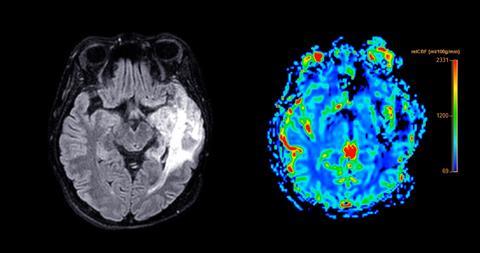
At AstronauTx, this means combining CSF and plasma biomarkers with EEG, imaging and digital or behavioural measures where appropriate. Each can answer a different question, from whether a drug has engaged its target to whether it has changed brain function and, ultimately, whether this could lead to clinical benefit.
“Importantly, multimodal does not mean more, it means more relevant. Our goal is not to measure everything, but to combine biomarkers that are mechanistically aligned and decision driven,” Pirone explained.
The measures should be selected to answer related biological questions. A fluid biomarker might detect a molecular or pathological change, while EEG can show whether that change is accompanied by altered neuronal network function.
As Pirone put it: “While each modality provides a partial signal, their integration creates convergent, cross-validated evidence that strengthens confidence and reduces translational and clinical risk.”
Turning biomarker signals into development decisions
For biomarkers to guide development decisions, they need to provide useful information early enough to act on. Bürli sees more reliable disease markers as the next major advance.
“The field has made excellent progress in utilising biomarkers to monitor target and pathway engagement,” he said. “However, the next ‘quantum step’ for CNS biomarkers will likely come from the development of more reliable disease markers.”
Molecular signatures could support earlier diagnosis, patient stratification and monitoring of disease progression. They could also help researchers detect changes in disease biology following treatment.
The field has made excellent progress in utilising biomarkers to monitor target and pathway engagement.
For Pirone, the priority is turning these measurements into tools that can inform whether a programme progresses.
“The most impactful advance in biomarker strategies for CNS drug development will be the transition of biomarkers from descriptive measurements to predictive, decision-making tools,” she said.
Pharmacodynamic biomarkers that demonstrate target engagement and biological activity within days or weeks could support go/no-go decisions as early as Phase I. Functional measures could then help determine whether these molecular effects are translating into changes that could matter to patients.
“Functional biomarkers, such as EEG and digital measures of cognition and daily activities, will be critical to bridging molecular effects with clinical benefit,” Pirone explained.
For these biomarkers to support development decisions, they will need “analytical robustness, biological relevance, reproducibility across studies and platforms, and ultimately clinical utility,” Pirone noted.
Ultimately, the value of these biomarkers will depend on whether they can provide reliable evidence early enough to inform development decisions. Used effectively, they could help researchers identify promising therapies sooner and make more informed decisions about which programmes to progress.














No comments yet