



All Imaging & Diagnostics articles
-
 Article
Turning CNS biomarkers into better drug development decisions
Why do promising CNS therapies struggle to translate into patients? Three experts explore how biomarkers can track therapeutic effects, improve patient selection and guide development decisions.
-
 Webinar
Mapping the prostate tumour microenvironment with spatial proteomics
As spatial proteomics advances, how can researchers find the complex biology of the prostate tumour microenvironment while preserving spatial context? Hear experts from the University of Surrey share their approach.
-
 Report
Building biomarkers that drug developers can rely on
Discover how integrated technologies, multiomic approaches and AI are helping researchers translate complex biological signals into actionable tools for drug development and patient care.
-
 News
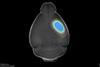
NewsAutomated MRI pipeline standardises preclinical stroke damage measurement
An automated imaging pipeline developed at USC’s Stevens Neuroimaging and Informatics Institute can measure stroke-related brain tissue damage from MRI scans with accuracy matching human experts, offering a scalable, standardised tool for preclinical drug evaluation across multi-site research networks.
-
 News
NewsFullscope-seq maps transcript isoforms with spatial single-cell resolution
Researchers have developed Fullscope-seq, a long-read spatial transcriptomics platform that maps alternative transcript isoforms within intact tissues at single-cell resolution – opening new possibilities for target identification and precision biomarker discovery.
-
 News
NewsBlood test for protein misfolding identifies Alzheimer’s risk years before symptoms
A blood-based biomarker measuring amyloid beta protein misfolding has demonstrated superior predictive accuracy for pre-symptomatic Alzheimer’s disease compared with p-tau 217, achieving an AUC of 0.87 when combined with genetic and demographic data.
-
 Article
How spatial biology is tracking antibody drugs inside tumours
Many antibody therapies fail to reach all cancer cells within solid tumours. Researchers have developed a spatial biology technique that maps antibody distribution alongside the tumour microenvironment to investigate why.
-
 News
NewsSpatial map reveals hidden complexity of bladder cancer tumours
Researchers at MD Anderson Cancer Center have used spatial transcriptomics to chart the internal architecture of muscle-invasive bladder cancer, revealing that luminal and basal cancer cell programmes coexist within single tumours – a finding with significant implications for treatment stratification.
-
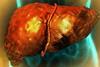 News
NewsAccessible multiplex imaging workflow advances spatial liver disease research
A new multiplex immunofluorescence workflow using standard laboratory equipment and open-source software enables detailed spatial analysis of liver tissue, organoids and organ-on-a-chip models, lowering barriers to advanced spatial biology in hepatology research.
-
 Report
Context is everything: how spatial biology is changing our understanding of disease
Discover how spatial biology is revealing disease mechanisms with implications for biomarkers, immunotherapy and drug development.
-
 Article
AACR 2026 part two: integrating AI, spatial biology and next-gen therapeutics
In part two of our AACR 2026 coverage, industry leaders were focussed on how the field is no longer constrained by data generation or molecular design, but by the challenge of connecting systems, standardising workflows and ensuring biological insights.
-
 News
NewsStudy reveals how GLP-1 drugs trigger weight loss in brain cells
NIH researchers have identified the intracellular signalling pathways through which semaglutide and other GLP-1 receptor agonists induce weight loss, revealing why patient responses vary and treatment effects plateau over time.
-
 Report
Organoids and Organ Chips: Improving Decision-Making in Early Drug Discovery
Traditional preclinical models do not always predict what will happen in patients. This report explores how organoids, organ-on-chip systems and advanced imaging are being used to generate more clinically relevant insights and support better decision-making earlier in drug discovery.
-
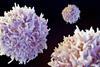 News
NewsNew imaging reveals how immune cells destroy cancer
Cryo-expansion microscopy has enabled researchers to visualise the three-dimensional organisation of cytotoxic T lymphocytes destroying cancer cells in their near-native state, revealing nanoscale structural details of the immune synapse and cytotoxic granules that could refine immuno-oncology therapeutic strategies.
-
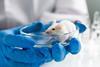 News
NewsAI system detects pain in laboratory mice through facial analysis
Researchers at ETH Zurich have developed an automated system that uses infrared imaging and artificial intelligence to assess pain in laboratory mice by analysing subtle facial expressions, offering a more consistent and humane alternative to traditional manual observation methods.
-
 News
NewsNew immune mapping reveals lung tumour microenvironment dynamics
VIB-VUB researchers have developed a patient-relevant lung adenocarcinoma model combined with SEPARATE-Seq technology to create detailed immune maps distinguishing tissue-infiltrating cells from circulating populations.
-
 News
News10x Genomics launches Atera whole-transcriptome spatial biology platform
The new platform enables researchers to analyse gene expression and cellular organisation within intact tissue at single-cell resolution, supporting large-scale studies across fresh-frozen and FFPE samples. Early adopters include leading research institutions and global service providers, with cloud-based analysis tools and direct sample processing services now available.
-
 Article
Beyond serendipity: rational design and AI’s expansion of the undruggable target landscape
For decades, drugging the ‘undruggable’ was thought to require luck rather than logic. Today, AI is transforming serendipity into strategy by enabling rational, data-driven approaches to previously inaccessible targets.
-
 Webinar
What it takes to automate high-content imaging at scale
This webinar examines the design trade-offs and technical constraints involved in building a high-throughput robotic imaging pipeline for complex biological workflows.
-
 Article
International Women’s Day: digital pathology in early drug discovery
For International Women’s Day, Dr Amanda Hemmerich, Global Director of Digital Pathology & Innovation at IQVIA Laboratories, describes how digital pathology is being applied in early drug development and what it takes to build credibility in a multidisciplinary technical field.