



All Imaging & Diagnostics articles – Page 4
-
 News
NewsDDHD2 enables neurons to synthesise and burn fat for energy
Scientists have discovered that neurons can burn and make their own fats for energy – a finding that could lead to new treatments for rare and currently untreatable brain diseases.
-
 News
NewsNew nanotherapy clears amyloid-β reversing Alzheimer’s in mice
Researchers have developed bioactive nanoparticles that restore the brain’s blood-brain barrier and clear toxic proteins, reversing Alzheimer’s symptoms in mice and offering a promising new approach to treating the disease.
-
 News
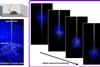
NewsScientists track amyloid plaques in living mice for first time
A new fibre-optic method lets researchers monitor amyloid plaque buildup in living, freely moving mice – offering a minimally invasive way to track Alzheimer’s disease progression and test potential therapies.
-
 Article
From data to therapy: emerging tech driving cancer drug discovery
Multiomics, AI and liquid biopsies are giving researchers real-time insight into tumour biology and enabling more personalised cancer therapies. Find out how these technologies are advancing biomarker discovery, improving patient stratification, and guiding the design of new treatments.
-
 News
NewsNew therapies boost deep brain stimulation accuracy in epilepsy
In a new study, researchers have discovered that deep brain stimulation targeting the centromedian nucleus could help patients with drug-resistant epilepsy improve seizure control.
-
News
Single-cell technique tracks boron in live tumour cells
Researchers at the University of Birmingham have developed a single-cell technique to track boron inside live tumour cells – making Boron Neutron Capture Therapy more effective in treating head and neck cancers.
-
 News
NewsKey newborn liver cells could boost paediatric gene therapy
A small subset of newborn liver cells – known as clonogenic hepatocytes – drives over 90 percent of adult liver growth. New research shows how targeting these cells early could improve the effectiveness and durability of paediatric gene therapies.
-
 News
NewsChronic neuron overactivation drives Parkinson’s cell death
New research from Gladstone Institutes shows that chronic overactivation of dopamine-producing neurons can directly trigger their death, offering new insights into why these cells deteriorate in Parkinson’s disease which could lead to potential therapies to slow its progression.
-
 News
NewsNon-invasive method images brain development in juvenile mice
Stanford researchers have developed a non-invasive method to make juvenile mice’s skin transparent, allowing repeated imaging of developing neural circuits. The breakthrough could be used to develop new treatments for neurodevelopmental disorders.
-
News
New imaging technique tracks obesity drug tirzepatide in cells
Scientists have developed fluorescent probes that reveal how dual agonist drugs like tirzepatide target cells in the pancreas and brain, offering new insights into diabetes and obesity treatments.
-
 News
NewsFrom graphene to grey matter: tech that supercharges brain organoids
Researchers at UC San Diego have discovered a graphene-based technology that accelerates the maturation of human brain organoids, offering a safer, non-invasive way to model diseases like Alzheimer’s.
-
 News
NewsResearchers identify early intervention target for cerebral palsy dystonia
Researchers have developed an easy-to-use method for measuring leg dystonia in children with cerebral palsy – allowing doctors to personalise treatments more effectively.
-
 Article
Challenges in developing robust potency assays for ADCs
Developing robust potency assays for Antibody-Drug Conjugates (ADCs) is crucial for ensuring their clinical success, but designing assays that meet both technical and regulatory standards is challenging. Here, Abzena’s CSO Campbell Bunce explores the complexities of assay development and the importance of ensuring accuracy, consistency and regulatory alignment for ADCs ...
-
 News
NewsScientists discover how 5-HT1A receptor shapes brain signalling
Researchers at Mount Sinai have mapped how the 5-HT1A serotonin receptor controls brain signalling – finding a hidden lipid ‘co-pilot’ that could lead to the development of more targeted antidepressants.
-
 Report
Beyond the Lab: Biomarkers Powering Tomorrow’s Therapies
Biomarkers are redefining how precision therapies are discovered, validated and delivered. This exclusive expert-led report reveals how leading teams are using biomarker science to drive faster insights, cleaner data and more targeted treatments – from discovery to diagnostics.
-
 News
NewsIntersectin protein discovery may help treat cognitive disorders
Researchers have discovered that the protein intersectin plays a crucial role in organising synaptic vesicles – enabling direct communication essential for learning and memory.
-
 News
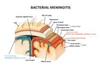
NewsMast cells: new target for preventing meningitis and brain disease
Scientists at Washington University School of Medicine have discovered that mast cells – immune cells best known for triggering allergic reactions – also help protect the brain from bacterial and viral infections. This could have important implications for treating brain infections in the future.
-
 News
NewsNew research shows squeezing cancer cells helps them survive
Scientists have discovered that cancer cells generate an instant burst of energy when physically squeezed, helping them repair DNA damage and survive harsh environments. This discovery means that therapies targeting this new survival mechanism could be developed.
-
 Article
Antibodies come full circle: biopharma back at the bench
Recombinant antibody technology is redefining research standards - bringing biopharma-grade precision, consistency, and customisation to the lab. Discover how advances like Fc engineering and chimerisation are accelerating progress from basic discovery to clinical insight.
-
 News
NewsScientists discover neuron-like communication in gut cells
Scientists in Singapore have discovered that gut support cells – known as telocytes – use neuron-like extensions to deliver signals directly to intestinal stem cells. This could lead to new treatments for diseases such as inflammatory bowel disease and colon cancer.