



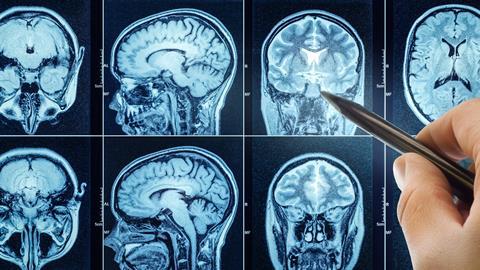
A new study has demonstrated that blocking the P2X7 receptor significantly reduces inflammatory signalling in human brain tissue, offering a translational pathway toward clinical trials for neuroinflammatory and psychiatric conditions.
An existing drug could help treat inflammatory conditions affecting the brain, including traumatic brain injury (TBI) and neurodegenerative diseases such as Alzheimer’s and Parkinson’s, new research suggests.
A study led by Professor Nicholas Barnes at the University of Birmingham has identified a receptor in human brain cells which, when blocked, can significantly reduce neuroinflammation. The findings could help to repurpose existing therapies to target inflammation linked to a range of neurological and psychiatric conditions.
What is the P2X7 receptor?
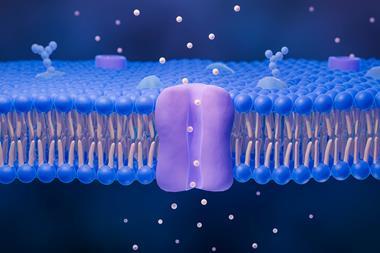
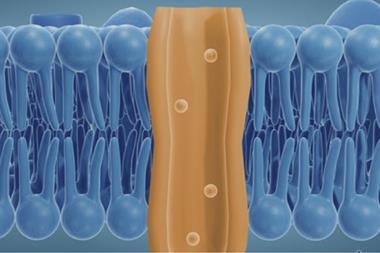
The P2X7 receptor is a protein found on the surface of certain cells, including immune cells. It responds to extracellular adenosine triphosphate (ATP), a molecule that can act as a danger signal when released from damaged or stressed cells.
Activation of P2X7 can trigger inflammatory signalling and the release of cytokines, proteins that regulate immune responses. Although inflammation helps protect the body against injury and infection, excessive or prolonged inflammatory activity in the brain can contribute to tissue damage.
Microglia, the brain’s resident immune cells, play a central role in this process. Understanding how their inflammatory responses are regulated could help researchers identify ways to limit harmful inflammation without unnecessarily disrupting normal immune functions.
The Birmingham findings suggest that inhibiting P2X7 could provide one way to interrupt these signals. However, further research is needed to establish whether this approach can improve outcomes in patients.
Targeting the P2X7 receptor
Researchers used live cultures of human brain cells and slices of brain tissue obtained during neurosurgery to investigate the role of the P2X7 receptor, which is involved in triggering inflammatory signalling in the brain.
The team found that P2X7 receptors drive the release of key inflammation regulators, cytokines. Blocking the receptors with a specific antagonist significantly reduced the inflammatory response in human brain tissue.
The findings could have implications beyond brain injuries and neurodegenerative diseases. Conditions including depression, psychosis and schizophrenia are now being understood to have a neuroinflammatory component.
This exciting discovery marks a major step toward repurposing existing therapeutics to combat neuroinflammation at its source. The identification of this receptor could have far-reaching implications for some of the most debilitating and widespread brain disorders such as Alzheimer’s Disease, Parkinson’s and Multiple Sclerosis, or inflammation-linked psychiatric conditions like schizophrenia and depression.”
Professor Nicholas Barnes, the College of Medicine and Health, the University of Birmingham
Why this matters for drug discovery
Identifying a receptor involved in human brain inflammation could help researchers prioritise targets for therapies against conditions where inflammatory processes contribute to disease.
One potential advantage is the possibility of drug repurposing. If existing compounds can inhibit P2X7 with an acceptable safety profile, researchers may be able to investigate their suitability for new neurological indications. However, activity against a target does not automatically establish that a drug can reach the brain at effective concentrations or produce clinical benefits.
The findings could also inform the development of new P2X7 antagonists. Researchers will need to establish how selectively these compounds inhibit the receptor, whether they can cross the blood–brain barrier and whether treatment reduces harmful inflammation without compromising protective immune activity.
The human tissue findings provide a bridge between laboratory models and clinical research, helping establish whether a proposed mechanism is relevant to human biology. Nevertheless, further preclinical studies and clinical trials will be required to determine whether receptor inhibition can reduce neurological damage.
The potential applications extend across several conditions, including TBI, Alzheimer’s disease, Parkinson’s disease and multiple sclerosis. Neuroinflammation is also being investigated in psychiatric disorders such as depression and schizophrenia, although its contribution varies between conditions and patients.
Studying the brain’s immune cells
The researchers also developed a method for producing microglia-like cells from human peripheral monocytes, a type of white blood cell obtained from blood samples.
Microglia are the brain’s resident immune cells and act as central coordinators of its immune response. The approach allowed the researchers to study how these cells respond to signals associated with inflammation.
The team found that blocking the P2X7 receptor could interrupt inflammatory signals released by microglia as they become damaged and die.
”Studying human microglia has long been a major challenge: once removed from their native brain environment, they rapidly lose their defining characteristics, likely due to the absence of critical regulatory signals.” Professor Barnes said. ”Our approach involved the use of monocyte-derived microglia which provide a powerful, scalable and virtually unlimited platform for studying human microglial biology with unprecedented precision.
“Having identified the response in the human monocyte-derived microglia, this provided the impetus to translate these findings with human brain obtained following neurosurgical procedures. This successful translation means the next stage for this research is the development of clinical trials in patients with neurodegenerative conditions and patients with TBI where there are no effective pharmacological treatments to reduce the neuroinflammation and arising damage.”
The researchers say the successful demonstration of the mechanism in human brain tissue provides a foundation for further development. Clinical trials could ultimately investigate whether targeting the P2X7 receptor can reduce neuroinflammation and associated damage in people with conditions where effective treatments remain limited.


No comments yet