



A new study is outlining how researchers are designing a small synthetic protein that targets the membrane-spanning region of TLR4, demonstrating reduced NF-κB inflammatory signalling and establishing new computational tools for membrane protein drug discovery.
Scientists at Scripps Research have engineered a small synthetic protein that can bind to an immune receptor within cell membranes and reduce inflammatory signalling, potentially opening a new route towards treatments for conditions including sepsis, arthritis and inflammatory bowel disease.
The study focuses on Toll-like receptor 4 (TLR4), a protein that helps cells detect bacteria and activate immune responses. While this is important for fighting infection, excessive TLR4 activity has been linked to inflammatory disorders. No FDA-approved drugs currently specifically block TLR4.
Targeting the cell membrane
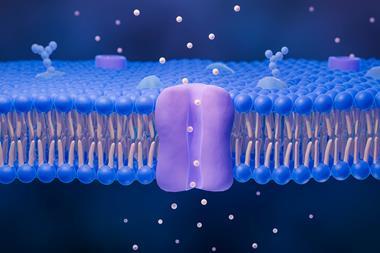
The researchers focused on the section of TLR4 that sits within the cell membrane, challenging the assumption that it acts mainly as an anchor.
“People assumed that the regions of TLR4 exposed outside and inside the cell were the main signalling drivers, but we showed that the membrane-spanning region is also critical for this function,” says first author Colleen Maillie, a research project analyst at Scripps Research.
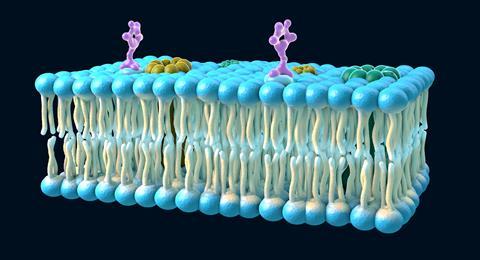
Cell membranes are made up of two layers of oily molecules, creating an environment very different from the water-based surroundings where most proteins operate. This has made it difficult to understand how proteins behave within membranes and to design molecules capable of targeting them.
The team, working in the laboratories of Assistant Professor Marco Mravic and Professor Andrew Ward, first tested whether the membrane-embedded section of TLR4 could be targeted directly.
“TLR4 is a key sensor of bacteria that activates and mobilises immune cells to fight infection,” says Ward. “It may be activated by adjuvants in vaccines to improve immune responses or inhibited to suppress inflammation, making it both a sensor and a dial to tune innate immunity.”
Designing a synthetic protein
Researchers introduced fragments of TLR4 containing its membrane-spanning region into human cells grown in the laboratory. Using a screening technique developed by the Mravic lab, they found the fragments could associate with TLR4 and reduce NF-κB signalling, one of the main inflammatory pathways activated by the receptor.
The researchers then used computer-generated protein structures as a starting point for designing synthetic proteins that could interact more strongly with TLR4.
“Scientists have been using computers to help design proteins for decades,” says Mravic. “Models for protein interactions and structures living in water have become increasingly accurate. However, for membrane proteins, they are not. There are unique atomic details underlying molecular biophysics in lipid bilayers that current equations and AI models don’t accurately capture.”
Nine designs were tested in living cells and eight showed signs of interacting with TLR4. Three emerged as the strongest candidates, with Design-6 showing the strongest evidence of interaction and substantially reducing NF-κB inflammatory signalling.
“We had this theory, which we encoded into software, that maximising apolar packing would make more stable protein interactions within the greasy membrane,” says Mravic. “The software now lets us design new practical molecules with potential clinical relevance that can insert and act within the membrane.”
More research needed
The experiments used human embryonic kidney cells, which are useful for laboratory research but are not especially relevant to inflammation-related diseases.
Further testing will be needed in disease-relevant cells such as liver and immune cells. Researchers must also establish how synthetic proteins designed to operate within membranes could be delivered in a clinical setting.
“This work could be a launchpad for a new class of biologics delivered within the membrane,” says Maillie. “This is an innovative space that carries a lot of risk and a long roadmap to the clinic, but we’ve shown that with some clever design and biophysics, we’re getting closer.”











No comments yet