



All Structural Biology articles
-
 News
NewsNew TRPV1 study could change how painkillers are designed
Researchers have found that the TRPV1 pain receptor responds differently to individual stimuli, revealing functional differences that could help inform the development of more selective pain medicines.
-
 News
NewsSpeakers announced for Protein Sciences in Drug Discovery 2026 in Stevenage
Three leading scientists in protein science, structural biology and AI will headline the Protein Sciences in Drug Discovery conference at GSK Stevenage in November 2026, exploring advances in AI-driven drug design, native mass spectrometry and membrane protein folding.
-
 News
NewsSynthetic protein targets TLR4 within membrane to curb inflammation
Scientists at Scripps Research have engineered a synthetic protein capable of binding to Toll-like receptor 4 within the cell membrane, reducing inflammatory signalling.
-
 News
NewsNew P. vivax vulnerability could prevent liver-stage malaria infection
A newly identified epitope on the circumsporozoite protein of Plasmodium vivax could offer a route to vaccines that prevent liver-stage infection and curb the relapse-driven transmission cycle.
-
 News
NewsMathematical model probes metals’ role in Alzheimer’s plaque formation
A mathematical framework simulates how metals such as copper and zinc interact with amyloid-beta, offering a new computational tool to explore plaque formation and potential therapeutic interventions in Alzheimer’s disease.
-
 Article
How disease exposes hidden epitopes that AI models may miss
A protein can look very different in disease without a single change to its sequence. Measuring these structural changes could reveal drug targets invisible to genomic and expression data alone.
-
 News
News‘Plug-and-play’ CAR T platform enables post-infusion immune cell reprogramming
City of Hope researchers have developed a modular ‘plug-and-play’ CAR T-cell platform that enables post-infusion reprogramming of engineered immune cells, offering a potential solution to treatment resistance driven by tumour evolution.
-
 Article
Why AI struggles with new drug targets – and how physics could help
Virtual screening can assess billions of compounds, but performance can fall on unfamiliar targets. Combining AI with molecular physics could help make predictions more reliable.
-
 News
NewsSolute carrier transporters open new frontier in neurological drug discovery
A comprehensive review of solute carrier transporters argues that the 464-strong SLC protein family represents a largely unexplored opportunity for developing treatments across a range of neurological and psychiatric conditions, from epilepsy and autism to Alzheimer’s disease.
-
 Article
Fast-tracking AI-designed binders with cell-free expression and SPR
AI can rapidly generate new protein binders, but wet-lab validation remains a major bottleneck. Combining cell-free protein synthesis with surface plasmon resonance (SPR) enables AI-designed antibody binders to be screened directly from crude extracts, bypassing lengthy cell culture and purification steps.
-
 News
NewsPeptide vaccine targeting PCSK9 reduces cholesterol and atherosclerotic plaque in mice
A structure-guided peptide vaccine targeting PCSK9 has reduced LDL cholesterol and atherosclerotic plaque burden in mouse models, offering a potential longer-lasting alternative to existing PCSK9-targeting biologics, though primate results remain inconclusive.
-
 Article
PROTACs vs molecular glues: which degrader fits your target?
PROTACs and molecular glues can both remove disease-associated proteins, but choosing between them is not simple. Our new Discovery Toolkit compares the options to help discovery teams choose the right strategy.
-
 News
NewsFirst multi-responsive foldamer-based gel offers new approach to controlled drug delivery
Researchers at the University of Birmingham have engineered a switchable gel built from synthetic foldamer molecules that responds to light, heat and acid — a platform with potential implications for controlled drug delivery and targeted therapeutic release.
-
 Article
Why intracellular targets remain a major drug discovery challenge – and how they’re becoming druggable
Many biologically important intracellular targets remain difficult to drug. Dr Rab Prinjha examines how screening within living cells could help tackle them.
-
 News
NewsInsilico Medicine nominates AI-designed candidate for ocular diseases
Insilico Medicine has nominated ISM9077, an AI-designed small molecule targeting pathological inflammation, as its 32nd preclinical candidate since 2021, with potential applications across dry AMD, uveitis and dry eye disease.
-
 News
NewsAI and genetics identify WNK2 inhibitor for osteoarthritis treatment
Researchers at University of Utah Health have used artificial intelligence and human genetic data to identify a promising early-stage drug candidate targeting WNK2, a protein linked to inherited osteoarthritis, with the lead compound reducing inflammatory gene activity and supporting cartilage cell health in laboratory models.
-
 News
NewsNew molecular glue platform broadens E3 ligase targeting for cancer drug development
Researchers at Dana-Farber Cancer Institute have developed a scalable platform for discovering molecular glue degraders, reporting the first metabolically activated example and broadening the scope of targeted protein degradation in cancer.
-
 News
NewsDoxycycline found to disrupt bacterial ribosomes via two unknown mechanisms
Researchers have identified two previously unknown mechanisms by which doxycycline inhibits bacterial protein synthesis, findings that could inform the design of next-generation antibiotics against drug-resistant pathogens.
-
 News
NewsAmino acid sensor discovery could unlock new targeted cancer therapies
Researchers have uncovered how cells sense amino acids and activate the mTORC1 growth pathway, identifying LARS1 phosphorylation as a critical upstream switch with implications for more precise cancer drug development.
-
 News
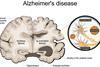
News3D genome reorganisation identified as Alzheimer’s disease molecular hallmark
An international study combining single-cell genomics, spatial transcriptomics and artificial intelligence has identified large-scale changes in three-dimensional genome organisation in Alzheimer’s-affected brain cells, establishing chromatin architecture as a previously overlooked component of the disease’s molecular pathology and a potential framework for future therapeutic targeting.