


Developed using Insilico’s Chemistry42 platform, ISM1354 demonstrated oral bioavailability of up to 104 percent across multiple species and an approximately 45-fold safety margin in non-GLP monkey toxicology studies.
Insilico Medicine has nominated an artificial intelligence-designed small-molecule candidate targeting the glucose-dependent insulinotropic polypeptide receptor (GIPR), as the company seeks to develop new approaches to obesity and related metabolic diseases.
The preclinical candidate, ISM1354, is being developed for potential use in obesity and obesity-related disorders including Type 2 diabetes. Insilico said it could also have applications in cardiovascular diseases associated with obesity, including heart failure.
The announcement comes as researchers and drug developers explore combinations of GIPR antagonists with glucagon-like peptide-1 receptor (GLP-1R) therapies. The approach is intended to support weight loss while helping to preserve muscle mass, a key consideration as populations age and concerns about sarcopenia grow.
What does GIPR antagonism mean?
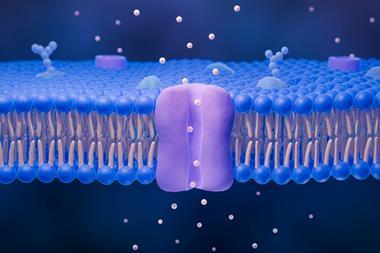
GIPR is a receptor for glucose-dependent insulinotropic polypeptide (GIP), a hormone involved in regulating insulin secretion and energy metabolism. An antagonist blocks receptor activity, potentially altering the metabolic signals involved in appetite, energy balance and body weight.
GLP-1R therapies, including semaglutide, have transformed obesity treatment by helping regulate appetite and food intake. However, weight loss can include reductions in lean mass as well as fat mass, prompting interest in therapies that could improve body composition alongside weight reduction.
Targeting GIPR alongside GLP-1R is one area of investigation, although the effects depend on the specific mechanism and combination used. GIPR antagonism should not be assumed to produce the same effects as GIPR activation, and the clinical benefits of combining GIPR antagonists with GLP-1R agonists remain to be established.
ISM1354 is designed to explore this therapeutic strategy through an orally available small molecule. Its nomination marks a preclinical development milestone, rather than evidence of efficacy or safety in humans.
Generative AI used throughout drug discovery process
Insilico said ISM1354 was developed using its Chemistry42 generative chemistry platform, which incorporates multiple prediction and optimisation tools into the drug discovery process.
The company used protein-ligand structures and information about key molecular interactions to optimise potency and selectivity while screening for potential safety issues. A drug-induced liver injury prediction model was used to filter molecules early in the process, followed by free energy perturbation modelling to predict and rank binding affinity.
Researchers then carried out multiple design-make-test-analyse cycles using experimental data before selecting ISM1354 as the preclinical candidate.
“Generative AI is demonstrating immense potential in cracking complex drug discovery challenges,” said Dr Feng Ren, Co-CEO and CSO of Insilico Medicine. “Given the structural complexity and intricate functional mechanisms of GIPR, the identification of viable small-molecule GIPR antagonists and the optimisation of their drug-like properties remain major challenges in drug development However, by leveraging the highly efficient molecular generation and optimisation capabilities of our Pharma.AI platform, we successfully overcame these bottlenecks in a very short time and nominated the next-generation GIPR antagonist, ISM1354.”
Preclinical studies show high oral bioavailability
According to Insilico, ISM1354 demonstrated consistent pharmacokinetic characteristics across mice, rats, dogs and monkeys, with oral bioavailability ranging from 75 percent to 104 percent.
At the same dose level, the compound produced at least 18 times greater plasma exposure than a clinical-stage benchmark compound, which the company said supported its development potential.
Safety testing also produced differentiated results. Insilico reported substantially weaker inhibition of OATP1B1 than the benchmark compound, alongside a wider hepatocyte safety margin. ISM1354 had minimal effects on cell viability at concentrations of up to 200 μM while the benchmark compound showed cytotoxicity at approximately 25 μM in human hepatocytes and 20 μM in monkey hepatocytes.
In a non-GLP monkey toxicology assessment, ISM1354 was generally well tolerated with no significant toxicity findings reported. Insilico estimated an approximately 45-fold margin of safety and said the results supported progression to GLP toxicology studies.
Why this matters for drug discovery
ISM1354 illustrates how AI-assisted discovery can combine molecular generation, computational predictions and experimental testing within a single development programme.
Generative chemistry can help researchers explore chemical structures that might otherwise be difficult to identify through conventional screening alone. Predictive models can prioritise compounds based on properties such as binding affinity, selectivity and potential toxicity, while experimental testing determines whether those predictions translate into measurable biological activity.
This integrated approach may help reduce the number of compounds requiring extensive laboratory investigation. However, AI predictions do not replace experimental validation, and improvements in discovery efficiency do not automatically translate into clinical success.
The programme also highlights the challenge of developing small molecules against complex receptor targets. Achieving strong target engagement while maintaining selectivity, oral exposure and an acceptable safety profile requires balancing multiple properties simultaneously.
For obesity drug discovery, the additional challenge is demonstrating meaningful improvements in body composition and metabolic health, rather than weight reduction alone. Whether ISM1354 can help preserve muscle mass while delivering sustained metabolic benefits remains an important question for future studies.
Research aims to address weight loss and muscle preservation
The company previously nominated another GIPR antagonist, ISM0676, which it said produced up to 31.3 percent weight loss when combined with semaglutide in humanised mouse models. Insilico said ISM1354 retained robust weight-loss efficacy while improving pharmacokinetic and safety characteristics.
“Obesity is not an isolated health issue; it is a trigger for many diseases, and lipid metabolism disorder itself is a core hallmark of biological ageing. I believe that GLP-1 therapies are poised to become the first ‘longevity drugs’ that can be popularised on a large scale, which is a massive opportunity that cannot be measured by money alone.” said Dr Alex Zhavoronkov, Founder and Co-CEO of Insilico Medicine. “However, we absolutely cannot trade the decline in body weight at the expense of physical vitality and muscle mass, and this has been a long-standing pain point in the industry.”
The company said the nomination brings its total number of preclinical candidates nominated since 2021 to 34.









No comments yet