



Scientists have identified PERM1 as a muscle-specific molecular signal associated with heart recovery in patients treated with left ventricular assist devices.
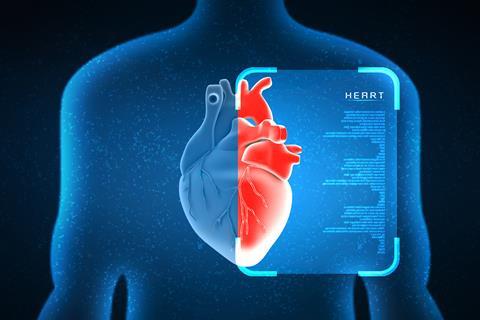
A protein known as PERM1 could help explain why some failing hearts recover function while others do not, according to new research from Virginia Tech’s Fralin Biomedical Research Institute and the University of Utah Health. The study could provide scientists with a potential new target for future heart failure treatments.
The discovery emerged from a study of patients treated with left ventricular assist devices (LVADs), mechanical pumps designed to reduce strain on the heart and allow it to rest. Although LVADs can stabilise patients with advanced heart failure, only some experience significant recovery and scientists fail to understand why.
Protein linked to heart recovery
The research found that PERM1 levels were restored in patients whose hearts recovered following LVAD support, while patients who did not recover showed no such improvement.
Heart failure affects more than six million people in the United States and predicting which patients may regain heart function remains one of the biggest challenges in treatment.
“This is the first muscle-specific molecular signal linked to recovery in human heart failure,” said Junco Warren, Assistant Professor at the Fralin Biomedical Research Institute and co-corresponding author of the study. “We don’t yet know whether PERM1 drives recovery or reflects it but it gives us a clear window into the biology of how recovery happens.”
This is the first muscle-specific molecular signal linked to recovery in human heart failure
The study combined laboratory-based molecular research with patient care data from the University of Utah cardiac transplant programme.
Researchers analysed heart tissue from 19 patients, comparing samples collected before and after LVAD implantation. Tissue was taken from the left ventricular apex during implantation and later during device removal or transplantation.
Patients were classified as responders or non-responders depending on improvements in heart function following treatment.
Energy production restored
Before treatment, PERM1 levels were reduced in every patient that was studied. Following LVAD support, however, the protein returned to near-normal levels only in patients whose hearts recovered.
Researchers also found a strong correlation between PERM1 restoration and improved cardiac performance, indicating PERM1’s important role in how heart cells generate and use energy. Recovery was linked with the normalisation of metabolic pathways associated with cellular stress, suggesting the protein may help reverse some of the underlying biological damage caused by heart failure.
“This study begins to explain why some patients recover heart function with LVAD support while others do not,” said Stavros Drakos, Professor of Cardiology at the University of Utah Health and a co-corresponding author. “Identifying the biological signals behind recovery is essential to improving outcomes for patients with advanced heart failure.”
Potential target for future therapies
These findings mean that PERM1 could be used as both a potential biomarker for predicting recovery and a possible target for new therapies aimed at repairing damaged heart muscle.
“Current therapies help manage heart failure but they do not repair the heart muscle itself,” Warren said. “Our findings point to a pathway that directly targets cardiomyocytes – the heart muscle cells – and restores both energy production and contractile function, the two core deficits in heart failure.”
Current therapies help manage heart failure but they do not repair the heart muscle itself
Previous research from Warren’s laboratory showed that increasing PERM1 levels improved heart function in experimental models. Preclinical studies have also suggested the approach may help prevent heart failure and support recovery in advanced disease.
“Heart failure creates a vicious cycle where energy loss and reduced contraction reinforce each other,” Warren added. “PERM1 appears to act at the centre of that cycle.”
Researchers say more studies are needed to determine whether PERM1 directly causes recovery or simply reflects it. However, they believe the findings could eventually lead to new treatment strategies.
To help move the research towards clinical use, Warren and members of her team have co-founded a company developing PERM1-based gene therapies.




No comments yet