



All RNAs articles
-
 News
NewsPacBio and TychoBio partner to advance AI-driven RNA therapies
PacBio and AI drug discovery company TychoBio are generating full-length RNA datasets from more than 10,000 samples to train AI models and accelerate the development of RNA therapies for rare diseases.
-
 News
NewsExperimental RNA drug reverses scleroderma signs in preclinical study
An experimental synthetic non-coding RNA drug has reversed signs of systemic sclerosis in patient-derived immune cells and mouse models, with researchers now preparing an IND application to the FDA.
-
 Article
Why more ribosomes can mean less protein in mRNA therapeutics
What happens when the cellular machinery making therapeutic proteins slows down? New research in Nature shows why translation speed could matter for the design of mRNA medicines.
-
 News
NewsOligonucleotide CDMO market set to triple to $11.14bn by 2031
The global oligonucleotide CDMO market is projected to nearly triple in value to USD 11.14 billion by 2031, driven by rising outsourcing demand as ASO and siRNA programmes advance through clinical and commercial development stages.
-
 News
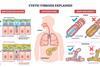
NewsEngineered tRNAs and lipid nanoparticles target nonsense mutation cystic fibrosis
A preclinical study combining chemically modified suppressor tRNAs with inhaled lipid nanoparticles has restored functional CFTR protein production across bronchial epithelial cells, mouse models and patient-derived organoids, offering a potential new therapeutic strategy for nonsense mutation-driven cystic fibrosis.
-
 Webinar
From antibody discovery to development: long-read sequencing in practice
As sequencing continues to grow in importance across biotherapeutic discovery and development, where can it make the biggest impact and how can fragmented workflows be overcome?
-
 News
NewsVY1706 Alzheimer’s gene therapy achieves 75 percent tau reduction in preclinical study
Voyager Therapeutics has presented six-month GLP toxicology data for VY1706, its investigational tau-targeting gene therapy, showing durable tau reductions of up to 75 percent and a clean safety profile in non-human primates, as the company prepares to begin first-in-human dosing in the second half of 2026.
-
 News
NewsFullscope-seq maps transcript isoforms with spatial single-cell resolution
Researchers have developed Fullscope-seq, a long-read spatial transcriptomics platform that maps alternative transcript isoforms within intact tissues at single-cell resolution – opening new possibilities for target identification and precision biomarker discovery.
-
 Webinar
Meeting ethical & regulatory requirements when using human biological specimens
Whether you source, purchase or work with human biospecimens, understanding today’s ethical and regulatory expectations is essential. Join this webinar to explore informed consent, privacy and the principles that support responsible research.
-
 News
NewsMETTL3 protein finds new mechanism driving breast cancer metastasis
Scientists at Umeå University have uncovered a previously unknown function for the RNA-modifying protein METTL3, revealing it plays a distinct role in enabling breast cancer cells to invade surrounding tissue and form metastases – findings that could open new avenues for therapeutic targeting.
-
 News
NewsmRNA vaccine shows promise against childhood neuroblastoma cancer
Preclinical study demonstrates effectiveness of experimental mRNA vaccine against neuroblastoma, reducing tumour size by 70 percent and delaying development. RCSI researchers used peptide nanoparticles targeting GPC2 protein to direct immune response against cancer cells, offering potential new treatment approach for aggressive childhood malignancy.
-
 News
NewsNotch2 enables breast cancer dormancy in protective bone marrow niches
New research has demonstrated how breast cancer cells exploit protective bone marrow niches to remain dormant for years, identifying Notch2 signalling and stem cell-like markers as key regulators of cellular dormancy that could inform therapeutic strategies to prevent relapse.
-
 News
NewsGene-based CIN score predicts breast cancer survival and immunotherapy response
A 13-gene chromosomal instability scoring system developed by Shanghai researchers correlates with survival outcomes and immunotherapy response in breast cancer patients.
-
 News
NewsParse Biosciences and bit.bio map transcription factor-driven cell identity
Parse Biosciences and bit.bio have formed an alliance to map transcription factor-driven cell identity using single cell sequencing and causal transcriptomics.
-
 Article
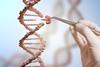
Turning GWAS signals into drug targets with scalable CRISPR
Genome-wide association studies have linked thousands of genetic variants to disease, yet most remain disconnected from drug-relevant biology. Neville Sanjana, Professor at New York University and Core Faculty Member at the New York Genome Center, explains how scalable CRISPR screens systematically link noncoding variants to causal genes and therapeutic targets.
-
 News
NewsPERM1 protein linked to heart recovery in LVAD patients
A newly identified protein may explain why some failing hearts recover function following mechanical support while others do not.
-
 News
NewsCircio’s circular RNA platform shows 40-fold gene expression boost
Circio Holding has presented preclinical data at ASGCT demonstrating that its circVec circular RNA platform achieved up to 40-fold greater gene expression in cardiac tissue and 50-fold in ocular tissue compared with conventional AAV gene therapy approaches, potentially enabling significant dose reductions and improved safety profiles.
-
 News
NewsNew RNA sequencing method reveals molecular structures at single-molecule resolution
A*STAR scientists have developed sm-PORE-cupine, a nanopore-based sequencing method that maps individual RNA structures at single-molecule resolution.
-
 News
NewsCells use nanoparticle couriers to exchange biological information
University College Dublin researchers have discovered that cells use nanoparticle-based courier systems coated with proteins and RNA to exchange biological information. The findings detail how natural cellular gateways could be exploited to deliver therapeutic molecules to previously inaccessible locations, potentially changing the way RNA, gene and protein-based therapies work.
-
 News
NewsNew platform reveals shared drug targets across genetic mutations in cancer and neurodegeneration
Researchers have developed PerturbFate, a platform that simultaneously tracks gene expression, RNA dynamics and chromatin accessibility across thousands of genetic perturbations in single cells. Applied to melanoma drug resistance, the technology revealed that diverse mutations converge on shared regulatory nodes, offering a route to therapies targeting common mechanisms rather than individual genetic alterations.