



Researchers at RCSI University of Medicine and Health Sciences have reported the first preclinical evidence for an mRNA vaccine against neuroblastoma, using targeted nanoparticle delivery to train the immune system against cancer cells.
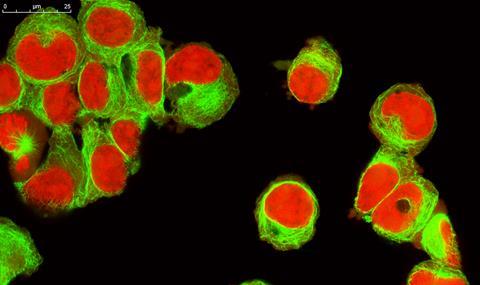
Researchers at RCSI University of Medicine and Health Sciences have reported promising early results for an experimental mRNA vaccine designed to target neuroblastoma, the deadliest form of childhood cancer.
The study provides what researchers describe as the first preclinical evidence demonstrating the effectiveness of an mRNA vaccine against neuroblastoma. The findings indicate the approach could form the basis of a new generation of personalised cancer vaccines aimed at improving outcomes for children diagnosed with the disease.
Neuroblastoma develops from immature nerve cells and is one of the most aggressive childhood cancers. Despite advances in treatment, it remains a leading cause of cancer-related deaths in children, accounting for around 15 percent of childhood cancer deaths overall.
Vaccine trains the immune system to attack cancer
The research team, led by Dr Olga Piskareva, Senior Lecturer in the Department of Anatomy and Regenerative Medicine at RCSI, developed an mRNA vaccine designed to help the immune system identify and attack neuroblastoma cells.
In preclinical testing, the vaccine delayed tumour development by between 10 and 11 days and reduced tumour size by approximately 70 percent.
The approach builds on the same mRNA technology that gained worldwide attention during the COVID-19 pandemic. However, instead of targeting a virus, the vaccine is designed to direct the body’s immune defences towards cancer cells.
In preclinical testing, the vaccine delayed tumour development by between 10 and 11 days and reduced tumour size by approximately 70 percent
According to the researchers, one of the major advantages of mRNA technology is its adaptability, allowing vaccines to be tailored to individual patients and specific tumour characteristics.
“The mRNA vaccine technology is like LEGO bricks. By combining different bricks, we can tailor the vaccine to the individual needs with high precision,” Dr Piskareva said. ”This pilot study indicates promising potential in the development of anticancer vaccines for neuroblastoma, offering new hope for children and families suffering from the disease. We are at the beginning of the mRNA vaccine development road but the first milestone has been successfully completed.”
Nanoparticle delivery system targets cancer cells
A key feature of the vaccine is its delivery method. Researchers used tiny self-assembling particles known as peptide nanoparticles to transport the mRNA to its target.
These nanoparticles were designed to recognise Glypican 2 (GPC2), a protein found on the surface of neuroblastoma cells. By targeting this protein, the vaccine can focus the immune response on cancerous tissue while potentially minimising effects on healthy cells.
The researchers believe this strategy could have applications beyond neuroblastoma. GPC2 is also found in several other forms of cancer, raising the possibility that similar vaccines could eventually be adapted for use against a broader range of tumours.
New hope for difficult-to-treat cancers
One of the greatest challenges in treating neuroblastoma is the high rate of relapse. When the cancer returns after initial treatment, it often develops resistance to existing therapies, making it much more difficult to control.
The researchers believe innovative immunotherapy approaches such as mRNA vaccines could help address this unmet clinical need by providing new ways to target resistant disease.
When the cancer returns after initial treatment, it often develops resistance to existing therapies, making it much more difficult to control
While the findings remain at the preclinical stage and further studies will be required before the vaccine can be tested widely in patients, the results are encouraging.
The team hopes that continued research will help translate these early findings into future treatments capable of improving survival rates and outcomes for children diagnosed with neuroblastoma.





No comments yet