



A new study identifies BMP3 as a previously unrecognised regulator of lung vascular health, with researchers demonstrating that both recombinant protein delivery and lung-targeted gene therapy can restore the protein’s protective function and reverse disease pathology in preclinical models.
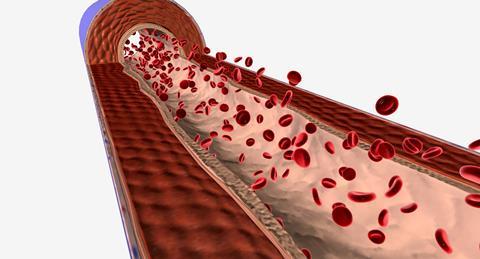
Researchers have identified a naturally occurring protein that helps protect blood vessels in the lungs, which could lead to new treatment approaches for pulmonary arterial hypertension, a rare and progressive condition that can lead to heart failure.
A study by scientists at the Fralin Biomedical Research Institute at VTC found that levels of bone morphogenetic protein 3 (BMP3) are significantly reduced in people with pulmonary arterial hypertension. By restoring the protein in preclinical models, researchers were able to reverse key features of the disease, including damage to lung blood vessels and heart dysfunction.
Restoring a natural protective mechanism
Pulmonary arterial hypertension causes increased blood pressure in the arteries of the lungs as blood vessels become narrowed and thickened, placing strain on the heart over time.
The research team discovered that BMP3 is produced by cells within the walls of lung blood vessels. In healthy lungs, the protein helps regulate the growth and spread of blood vessel cells, preventing excessive thickening. However, in pulmonary arterial hypertension, BMP3 levels decline, allowing harmful changes to develop within the blood vessels.
The study found consistently lower levels of BMP3 in both lung tissue and blood samples from patients with the condition, as well as in experimental models of the disease.
Pulmonary arterial hypertension causes increased blood pressure in the arteries of the lungs as blood vessels become narrowed and thickened, placing strain on the heart over time
To investigate whether restoring the protein could slow or reverse disease progression, researchers tested two different approaches. One involved administering recombinant BMP3 protein, while the other used a lung-targeted gene therapy designed to increase BMP3 expression. Both methods significantly improved lung blood vessel structure and heart function in multiple preclinical models.
“Pulmonary arterial hypertension remains a devastating disease with limited treatment options,” said Yassine Sassi, senior author of the study and an associate professor at Virginia Tech’s Fralin Biomedical Research Institute. “Most current therapies focus on managing symptoms or slowing disease progression. What makes this discovery exciting is that it identifies a new therapeutic strategy aimed at restoring a natural protective mechanism that is lost during disease.”
Two possible therapeutic approaches
Although BMP3 has previously been studied in relation to bone biology and cancer, this is the first study to identify a role for the protein in pulmonary arterial hypertension.
Researchers also found that circulating BMP3 levels were significantly lower in patients with the disease, suggesting it could eventually be used as both a treatment target and a biomarker to help monitor disease progression.
By restoring BMP3 levels, the team was able to suppress the cellular changes that drive pulmonary arterial hypertension and reverse key disease features in preclinical models.
Although BMP3 has previously been studied in relation to bone biology and cancer, this is the first study to identify a role for the protein in pulmonary arterial hypertension
“This gives us two potential therapeutic paths forward: a biologic therapy and a gene-based approach, both designed to restore a natural protective signal that is lost during disease,” said Sassi, who is also an associate professor with the Virginia-Maryland College of Veterinary Medicine’s Department of Biomedical Sciences and Pathobiology.
While further research is needed before either approach can be tested in patients, the findings show how BMP3 could be used as a therapeutic target in a disease for which no currently approved treatment reverses the underlying remodelling of the lung blood vessels.
Sassi and first author Aymen Halouani of the Fralin Biomedical Research Institute have filed a patent application covering BMP3-based therapeutic approaches for pulmonary arterial hypertension.




No comments yet