



Shanghai researchers have developed a 13-gene chromosomal instability score that predicts breast cancer survival and identifies patients likely to respond to immunotherapy.
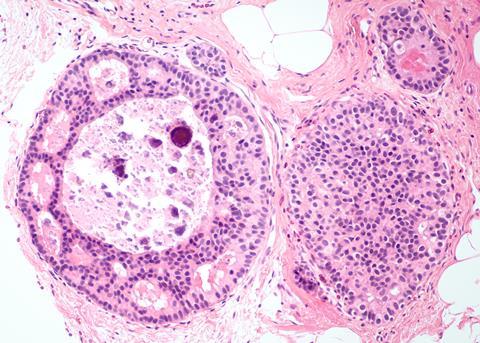
Researchers at Renji Hospital, School of Medicine at Shanghai Jiao Tong University have developed a new gene-based scoring system that could help predict breast cancer survival outcomes and identify which patients are more likely to respond to immunotherapy.
The study, published in the journal Genes & Diseases, focused on chromosomal instability, commonly known as CIN, which is associated with tumour progression, treatment resistance and poor clinical outcomes across several cancer types.
Using transcriptome sequencing data from large clinical cohorts, the researchers analysed patterns linked to the established CIN25 gene signature and developed a streamlined 13-gene prognostic model referred to as the ’CIN score.’
The team used a series of statistical approaches, including unsupervised consensus clustering, LASSO analysis and multivariate Cox regression modelling, to establish the predictive framework.
Researchers believe the score could become a valuable biomarker for assessing tumour aggressiveness and guiding personalised treatment decisions in breast cancer care.
High CIN score linked to poorer survival
Clinical analyses showed that patients with high CIN scores experienced significantly worse overall survival outcomes compared with those in the low-score group.
The high-CIN group was also associated with less favourable clinicopathological characteristics, suggesting a stronger link between chromosomal instability and aggressive disease behaviour.
To better understand the biological differences between patient groups, the researchers conducted extensive multi-omics analyses alongside single-cell RNA sequencing.
The findings revealed major differences in the tumour immune microenvironment depending on the CIN score.
The high-CIN group was also associated with less favourable clinicopathological characteristics, suggesting a stronger link between chromosomal instability and aggressive disease behaviour
Patients with low CIN scores demonstrated a highly active immune environment, including increased infiltration of anti-tumour immune cells such as CD8-positive T cells and activated dendritic cells.
The low-score group also showed elevated expression of immune checkpoint molecules including PD-1 and CTLA-4, which are often associated with better responses to immunotherapy.
By contrast, tumours with high CIN scores displayed strong immunosuppressive characteristics and increased interactions with stromal cells through signalling pathways such as VEGF, which is linked to tumour growth and metastasis.
Drug resistance patterns identified
Researchers also examined how the CIN score related to drug sensitivity across several commonly used cancer treatments.
The analyses showed that tumours with high CIN scores were significantly more resistant to a range of therapies, including chemotherapeutic, endocrine and targeted treatments.
Among the drugs associated with resistance were paclitaxel, cisplatin and tamoxifen, all of which are widely used in breast cancer management.
The analyses showed that tumours with high CIN scores were significantly more resistant to a range of therapies
The researchers said these findings suggest the CIN score could help clinicians identify patients less likely to benefit from standard therapies and potentially guide the selection of alternative treatment approaches.
The study also highlighted the growing importance of integrating genomic instability with immune profiling in precision oncology.
Potential role in precision medicine
Although the findings demonstrate strong clinical potential, the researchers cautioned that additional prospective multicentre clinical trials will be required before the CIN score can be routinely adopted in clinical practice.
They said further validation is needed to confirm how effectively the scoring system performs across broader patient populations and treatment settings.
Despite these limitations, the study concludes that the CIN score represents a clinically relevant biomarker capable of combining genomic and immune-related information into a single predictive tool.
Researchers believe the approach could improve risk stratification, support therapeutic decision-making and help advance more personalised forms of breast cancer treatment.
The findings also add to growing evidence that tumour immune landscapes and chromosomal instability are closely interconnected and may play a key role in determining treatment outcomes in oncology.









No comments yet