




Researchers have identified IVMT-Rx-4, a first-in-class inhibitor of MDA-9/Syntenin, as a promising preclinical candidate capable of suppressing tumour metastasis, eradicating cancer stem cells and restoring sensitivity to cisplatin in head and neck squamous cell carcinoma.
A new experimental drug developed by researchers at Virginia Commonwealth University (VCU) has shown the potential to tackle chemotherapy resistance in head and neck cancer.
In preclinical studies, the small molecule inhibitor IVMT-Rx-4 blocked the activity of the protein MDA-9/Syntenin, reducing tumour spread, eliminating cancer stem cells and reversing resistance to the commonly used chemotherapy drug cisplatin. While the treatment is still at a very early stage of development, researchers think it could eventually provide a new targeted option for patients with aggressive head and neck squamous cell carcinoma (HNSCC).
“Our study provides new insights into the genetic regulation of HNSCC, identifies a novel direct drug target and establishes an innovative drug as a promising chemical probe that may inform the development of more effective cancer therapeutics,” said study senior author Dr Paul Fisher, the Thelma Newmeyer Corman Endowed Chair in Cancer Research at VCU Massey and the founding and current director of the VIMM.
Why this matters
For decades, chemotherapy has been the main treatment for advanced head and neck cancer. However, many patients eventually stop responding to treatment as tumours develop resistance, limiting options and leading to poor survival rates.
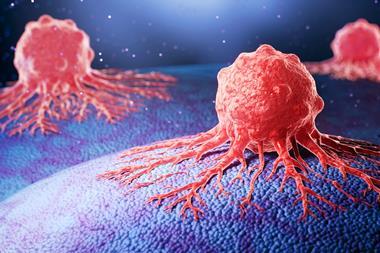
Rather than targeting rapidly dividing cancer cells alone, the new research focuses on cancer stem cells, a small population of cells believed to drive tumour growth, metastasis and relapse. These cells can survive conventional treatments and regenerate tumours months or even years after therapy has ended.
The VCU team found that IVMT-Rx-4 was able to eliminate these cells in preclinical models while suppressing BMI1, a recognised marker of cancer stem cell activity in HNSCC.
“Most evidence suggests that you could get rid of 99 percent of cancer cells, and that if only a small number of cells – those cancer stem cells – live and exist, then even 20 years after, the cancer could return,” Fisher said. “If we can effectively get rid of those for good, that’s really the holy grail in cancer treatment.”
Explainer: What is IVMT-Rx-4?
IVMT-Rx-4 is an experimental small molecule drug designed to block the activity of MDA-9/Syntenin, a protein that helps cancer cells grow, spread and resist treatment. Rather than attacking cancer cells directly, the drug targets a pathway that enables tumours to survive and metastasise.
The compound was developed by InVaMet Therapeutics and originated from earlier work on a related molecule called PDZ1i. Researchers say IVMT-Rx-4 has improved drug-like properties compared with its predecessor, including greater water solubility, lower cellular efflux and no observed toxicity in preclinical animal studies.
In the latest research, IVMT-Rx-4 not only reduced tumour spread but also eliminated cancer stem cells and restored sensitivity to the chemotherapy drug cisplatin in laboratory models of head and neck cancer. This suggests the drug could eventually be used alongside existing treatments to improve their effectiveness and reduce the risk of relapse.
Although the results are encouraging, IVMT-Rx-4 remains an experimental therapy and requires further preclinical development and clinical trials to determine whether it is safe and effective in patients.
Putting the findings into context
Targeting cancer stem cells has become an important area of oncology research, but translating that concept into effective therapies has proved difficult. Although many experimental treatments have demonstrated activity against cancer stem cells in laboratory studies, there are currently no FDA-approved therapies designed specifically to eliminate them completely.
The new study also reinforces growing evidence that MDA-9/Syntenin plays a central role in cancer progression. Previous work by Fisher’s team linked the protein to the spread of prostate, breast, brain and liver cancers. The latest findings suggest its role extends to maintaining cancer stem cells in head and neck cancer, making it an attractive therapeutic target across multiple tumour types.
Equally significant is the finding that IVMT-Rx-4 appeared to reverse resistance to cisplatin in preclinical models. Drug resistance remains one of the greatest barriers in oncology drug development, particularly in patients with advanced or metastatic disease.
What is MDA-9/Syntenin?
MDA-9, also known as Syntenin, is a protein that helps regulate how cells grow, move and communicate. In several cancers, including head and neck cancer, it becomes overactive, promoting tumour growth, metastasis and resistance to treatment.
Researchers have also linked MDA-9/Syntenin to the maintenance of cancer stem cells, which are thought to drive tumour recurrence and therapy resistance. Because the protein appears to be non-essential in healthy cells, scientists believe it could be a promising target for new cancer therapies designed to slow disease progression while limiting damage to normal tissue.
What it means for researchers
The study provides researchers with both a potential new therapeutic target and a chemical tool for investigating how MDA-9/Syntenin regulates tumour biology.
By demonstrating that the protein can be inhibited without observable toxicity in preclinical models, the findings also strengthen the case for developing therapies that disrupt metastatic pathways rather than focusing solely on killing tumour cells.
“Once head and neck cancer metastasis occurs, it becomes extremely difficult to manage,” said study co-corresponding author Dr Jiong Li, Associate Professor of Medicinal Chemistry at the VCU School of Pharmacy. “There is an urgent need for approaches to both prevent and effectively treat head and neck cancer, as well as overcome resistance.”
Key takeaways
- IVMT-Rx-4 targets MDA-9/Syntenin, a protein involved in tumour growth, metastasis and chemotherapy resistance.
- In preclinical models, the drug reduced tumour spread and eliminated cancer stem cells without observed toxicity.
- The treatment also appeared to overcome resistance to cisplatin, one of the main chemotherapy drugs used for head and neck cancer.
- The findings support growing interest in targeting cancer stem cells as a strategy to reduce relapse and improve long-term outcomes.
What happens next?
The researchers are now working to further develop IVMT-Rx-4, including investigating whether it can be formulated as an oral medicine. Before the drug could reach patients, it would need to undergo additional preclinical testing followed by clinical trials to establish its safety and effectiveness in humans.
“The ultimate hope is that this approach will increase survival, and, with advanced refinement, could actually lead to a method where the cancer will not recur,” Li said. “This long-term goal would be a real beneficial outcome for HNSCC patients.”




No comments yet