



All Stem Cells articles
-
 Article
Reproducible organoids start with reliable cytokines
The right signals can make or break an organoid model. From growth and differentiation to downstream drug testing, cytokines and growth factors are critical to creating cultures researchers can rely on.
-
 News
Newsbit.bio launches refined human astrocyte model for neurotoxicity assessment
Cambridge biotech bit.bio has released ioAstrocytes 2.0, a genetically matched human astrocyte model designed to support functional neuroscience research and earlier assessment of seizure liability and neurotoxicity in drug development.
-
 News
NewsHyperreactive astrocytes identified as key drivers of TSC epilepsy
Researchers at UC Berkeley have used long-term human brain organoids to show that hyperreactive astrocytes may drive the inflammation and seizures associated with tuberous sclerosis complex.
-
 News
NewsKidney organoids reveal inflammation drives diabetic kidney disease
University of Washington researchers have used stem cell-derived kidney organoids to uncover inflammatory pathways that drive diabetic kidney disease.
-
 News
NewsBlood metabolite links ALS progression rate to potential treatment target
A metabolic signal detectable in patient blood has been linked to ALS progression rate and survival, with preclinical data suggesting that boosting levels of the molecule could protect motor neurons and extend survival in disease models.
-
 News
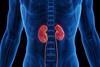
NewsStem cell-grown kidney organoids could help uncover new treatments for AKI
Researchers at Monash University have grown miniature human kidneys from stem cells that could give drug discovery teams a more human-relevant model for investigating acute kidney injury and identifying therapies that promote tissue recovery.
-
 News
NewsNUS researchers identify molecular switch driving TNBC treatment resistance
Researchers at the National University of Singapore have identified DP103 as a potential molecular master switch sustaining tumour growth, cancer stem cells and treatment resistance in triple-negative breast cancer, with findings suggesting it could serve as a predictive biomarker for the investigational oral therapy RX-5902.
-
 News
NewsHuman heart organoids with functioning valves model cardiac valve disorders
Researchers have engineered human heart organoids complete with functioning valves, creating a physiologically relevant platform to study valve disorders including mitral valve prolapse and valve calcification, and potentially accelerating the search for new treatments.
-
 News
NewsHow CAR T cells are being engineered to target tumour’s ‘soft spot’
A preclinical study published in Nature Biomedical Engineering describes a synthetic biology approach that converts the physical softness of cancer cells into a targetable signal for CAR-T immunotherapy, potentially addressing a key resistance mechanism in solid tumours.
-
 Article
Reducing drug development failures with human-relevant models and AI
Professor Joseph C. Wu of Stanford University explains how stem cells, human-relevant models and AI are helping researchers predict which drug candidates are most likely to succeed before clinical trials.
-
 News
NewsTargeting the roots of head and neck cancer: Why MDA-9 matters
A small molecule inhibitor developed at Virginia Commonwealth University has demonstrated the ability to eliminate cancer stem cells and reverse cisplatin resistance in preclinical models of head and neck squamous cell carcinoma, offering a potential new strategy to address one of oncology’s most persistent clinical challenges.
-
 Webinar
Meeting ethical & regulatory requirements when using human biological specimens
Whether you source, purchase or work with human biospecimens, understanding today’s ethical and regulatory expectations is essential. Join this webinar to explore informed consent, privacy and the principles that support responsible research.
-
 News
NewsPancreas organoids reveal CFTR dysfunction as chronic pancreatitis drug target
Researchers at the Salk Institute have developed a patient-derived organoid platform that identifies distinct biological subtypes of chronic pancreatitis and highlights CFTR as a potential therapeutic target, raising prospects for more personalised treatments.
-
 Article
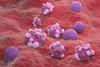
Synthetic iMSCs: reprogramming ovarian cancer from the inside out
Ovarian cancer has long proved difficult to treat. Could the answer lie within the disease itself? Discover how synthetic iMSCs could reprogramme the tumour microenvironment and restore anti-tumour immunity.
-
 News
NewsStem cell organoids repair heart microvessels in coronary artery disease models
Stanford University researchers have demonstrated that stem cell-derived vascular organoids can regenerate damaged microvessels in the heart, improving cardiac function in a porcine model of ischaemic heart disease and addressing a significant unmet need in coronary artery disease treatment.
-
 News
NewsSynthetic organiser cells enhance kidney organoid reproducibility and accuracy
Scientists at the University of Southern California have engineered synthetic organiser cells that produce localised Wnt signals to guide kidney organoid development, yielding more reproducible, physiologically accurate structures and revealing a previously unrecognised developmental axis in the human kidney.
-
 News
Newsbit.bio launches iPSC-derived cell culture media kits to democratise human cell research
Cambridge-based cell programming company bit.bio has introduced two new media kits for its iPSC-derived ioGlutamatergic Neurons and ioMicroglia, reducing media preparation costs by around 18-fold and simplifying workflows to widen access to human-relevant research models.
-
 News
NewsCerebral organoids identify Ebola virus persistence in neural tissue
Researchers have used human brain organoids to demonstrate that Ebola virus can replicate in neural tissue for up to 120 days, offering new insights into viral persistence mechanisms in immune-privileged sites and late-stage inflammatory complications in survivors.
-
 Article
Cerebral organoids reveal how Ebola virus persists in neural tissue
How does Ebola virus survive long after recovery? A new study using human cerebral organoids explores viral persistence in neural tissue and the growing role of organoid models in drug discovery research.
-
 News
NewsMineralised DNA hydrogel accelerates bone repair in preclinical studies
A mineralised DNA hydrogel has demonstrated accelerated bone repair and improved tissue mineralisation in preclinical studies, offering a potential new approach to treating difficult bone defects through combined immune regulation and sustained regeneration.