



A Stanford University team has shown that vascular organoids derived from human stem cells can repair the heart’s microvessel network in pigs with ischaemic heart disease – a proof-of-concept advancement that could open new therapeutic opportunities.

Scientists have developed a potential new treatment for coronary artery disease that could help repair tiny blood vessels in the heart.
The experimental therapy, developed by researchers at Stanford University, uses stem cell-derived vascular organoids to regenerate damaged microvessels, the network of small blood vessels that deliver oxygen and nutrients throughout heart muscle.
The findings demonstrated that the treatment improved heart function in pigs with ischaemic heart disease, also known as coronary artery disease, which is one of the leading causes of death and disability across Western countries.
Addressing an unmet need
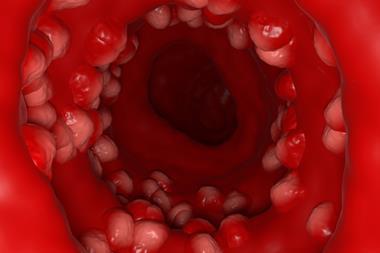
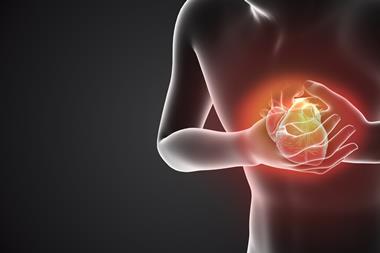
Ischaemic heart disease develops when the arteries supplying blood to the heart become narrowed or blocked, reducing the flow of oxygen and nutrients to heart muscle cells. Over time, this lack of blood supply causes the cells to die, increasing the risk of heart attack and eventually heart failure.
Ischaemic heart disease develops when the arteries supplying blood to the heart become narrowed or blocked
Although surgeons can restore blood flow by bypassing or replacing larger coronary arteries, there are currently no treatments capable of repairing the heart’s intricate network of microvessels. These tiny blood vessels play a crucial role in ensuring blood reaches every part of the heart muscle.
Researchers believe restoring these vessels could help preserve heart tissue and improve recovery following damage caused by reduced blood flow.
Testing vascular organoids
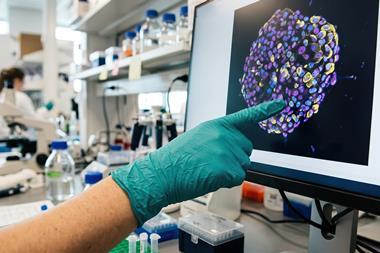
The Stanford team, led by Yasuhiro Shudo, created vascular organoids using endothelial progenitor cells isolated from human blood together with smooth muscle cells derived from human bone marrow mesenchymal stem cells.
These miniature cell clusters are capable of forming new blood vessels and were assembled into patches that were placed on the outer surface of the hearts of pigs with ischaemic heart disease.
The animals were monitored for four weeks following treatment. Compared with untreated pigs, those receiving the vascular organoid patches showed improved heart function and a slower progression towards heart failure.
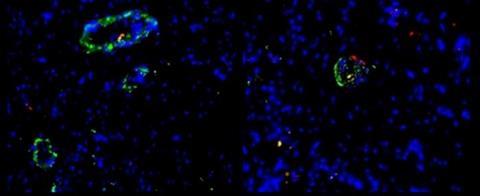
The researchers also found that the transplanted organoid patches remained viable for several weeks after implantation. Cells originating from the patches were later detected in deeper layers of the heart muscle, suggesting they had migrated into the damaged tissue.
Boosting the heart’s own repair mechanisms
In addition to surviving within the heart, the vascular organoids appeared to stimulate the animals’ own tissues to produce new microvessels. The researchers believe the transplanted cells also released proteins that helped protect existing heart muscle cells from further damage.
Together, these effects resulted in a measurable increase in both the number and maturity of microvessels within the treated hearts, potentially improving blood circulation through damaged areas of the heart muscle.
The vascular organoids appeared to stimulate the animals’ own tissues to produce new microvessels
The researchers describe the study as an important proof of concept, demonstrating that vascular organoids generated from readily accessible human stem cells could provide an effective treatment for ischaemic heart disease.
Because pigs have hearts that are similar in size and physiology to those of humans, the findings are key to developing possible clinical applications.
However, the researchers caution that further studies will be needed to establish the treatment’s long-term safety and effectiveness before it can be tested in patients. If future research is successful, vascular organoid therapy could eventually offer a new way to repair damaged heart tissue by restoring the tiny blood vessels that current treatments are unable to replace.


No comments yet