



All Organoids articles
-
 Article
Reproducible organoids start with reliable cytokines
The right signals can make or break an organoid model. From growth and differentiation to downstream drug testing, cytokines and growth factors are critical to creating cultures researchers can rely on.
-
 News
NewsSelf-driving labs and advanced cell models feature at ELRIG 2026
From self-driving laboratories to advanced cellular models, ELRIG Drug Discovery 2026 showcases technologies helping researchers generate better data, evaluate drug candidates and improve early discovery.
-
 Webinar
From vial to viable: best practices for culturing organoids
Poor recovery, inconsistent growth and changes in morphology can affect organoid research. How much experimental variability starts with the culture itself?
-
 News
NewsKRAS inhibition and CTLA-4 blockade could overcome gastric cancer immunotherapy resistance
Researchers have identified oncogenic KRAS as a key driver of immunosuppression in gastric adenocarcinoma.
-
 News
NewsELRIG Drug Discovery 2026 celebrates 20th anniversary at ExCeL London
ELRIG Drug Discovery 2026 returns to ExCeL London for its 20th year, with AI, automation and advanced cell models among the technologies set to feature across the two-day programme.
-
 News
NewsHyperreactive astrocytes identified as key drivers of TSC epilepsy
Researchers at UC Berkeley have used long-term human brain organoids to show that hyperreactive astrocytes may drive the inflammation and seizures associated with tuberous sclerosis complex.
-
 News
NewsKidney organoids reveal inflammation drives diabetic kidney disease
University of Washington researchers have used stem cell-derived kidney organoids to uncover inflammatory pathways that drive diabetic kidney disease.
-
 News
NewsLiver cancer organoids used to screen 1,600 potential treatments
Researchers at the University of Basel have screened more than 1,600 compounds using a biobank of 35 hepatocellular carcinoma organoids, identifying drug combinations that show selective anti-tumour activity across biologically diverse liver cancers.
-
 News
NewsUK’s first AI-robotic organoid lab opens in Liverpool
A £20 million high-security facility in Liverpool is set to accelerate drug and vaccine discovery by integrating artificial intelligence, robotics and human organoid technology within a Category 3 containment environment.
-
 News
NewsPatient-derived tumour organoid biobank maps cancer gene dependencies
A biobank of 256 patient-derived tumour organoids, combined with genome-wide CRISPR–Cas9 screening, has produced a detailed map of cancer gene dependencies across five tumour types, revealing both shared vulnerabilities and mutation-specific targets with implications for precision oncology.
-
 News
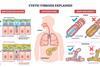
NewsEngineered tRNAs and lipid nanoparticles target nonsense mutation cystic fibrosis
A preclinical study combining chemically modified suppressor tRNAs with inhaled lipid nanoparticles has restored functional CFTR protein production across bronchial epithelial cells, mouse models and patient-derived organoids, offering a potential new therapeutic strategy for nonsense mutation-driven cystic fibrosis.
-
 Article
Six assay requirements every researcher using NAMs should know
As NAMs become more widely used in drug discovery, assays must meet the demands of more complex models. Discover six requirements for reliable, reproducible and biologically meaningful data.
-
 News
NewsStem cell-grown kidney organoids could help uncover new treatments for AKI
Researchers at Monash University have grown miniature human kidneys from stem cells that could give drug discovery teams a more human-relevant model for investigating acute kidney injury and identifying therapies that promote tissue recovery.
-
 Article
600+ patient-derived cancer models expand the search for drug targets
Hundreds of new patient-derived cancer models could strengthen target validation, identify cancer vulnerabilities and provide more representative systems for preclinical drug discovery.
-
 News
NewsNUS researchers identify molecular switch driving TNBC treatment resistance
Researchers at the National University of Singapore have identified DP103 as a potential molecular master switch sustaining tumour growth, cancer stem cells and treatment resistance in triple-negative breast cancer, with findings suggesting it could serve as a predictive biomarker for the investigational oral therapy RX-5902.
-
 News
NewsPatient-specific brain tumour chip models vascular drug barriers
A microfluidic chip combining patient-derived glioblastoma cells with their tumour vascular environment could give drug developers a more realistic preclinical model for predicting treatment response – and may help explain why genetically similar patients respond differently to the same therapy.
-
 News
NewsAGR2 and FOXM1 identified as prognostic and therapeutic targets in NF-PanNETs
A new study using single-cell RNA sequencing has identified AGR2 as a potential prognostic marker and FOXM1 as a druggable target in non-functional pancreatic neuroendocrine tumours, offering new tools to stratify patients and guide treatment strategies.
-
 News
NewsHuman heart organoids with functioning valves model cardiac valve disorders
Researchers have engineered human heart organoids complete with functioning valves, creating a physiologically relevant platform to study valve disorders including mitral valve prolapse and valve calcification, and potentially accelerating the search for new treatments.
-
 Article
Reducing drug development failures with human-relevant models and AI
Professor Joseph C. Wu of Stanford University explains how stem cells, human-relevant models and AI are helping researchers predict which drug candidates are most likely to succeed before clinical trials.
-
 Webinar
Meeting ethical & regulatory requirements when using human biological specimens
Whether you source, purchase or work with human biospecimens, understanding today’s ethical and regulatory expectations is essential. Join this webinar to explore informed consent, privacy and the principles that support responsible research.