



All Organoids articles – Page 3
-
 Webinar
What it takes to automate high-content imaging at scale
This webinar examines the design trade-offs and technical constraints involved in building a high-throughput robotic imaging pipeline for complex biological workflows.
-
 News
NewsPRI-101 could become first disease-modifying Parkinson’s drug
Biotechnology company Priavoid GmbH has announced proof-of-concept data for PRI-101, an orally available peptide drug targeting neurodegeneration. Preclinical studies demonstrate the experimental therapy reduces toxic α-synuclein aggregates across multiple Parkinson’s disease models, with evidence of blood-brain barrier penetration and improved survival outcomes.
-
 Article
Discovery is changing – and automation leads the way
Automation is helping drug discovery teams screen faster, cut costs and run complex assays at scale – but its real value lies in what happens next.
-
 Article
Preclinical takeaways from the World ADC Conference London
Experts from the World ADC Conference in London highlight how patient-centric, predictive preclinical tools and innovative ADC designs are improving safety, efficacy and clinical translation.
-
 Article
Replacing animals in science: what the UK’s new strategy means
The UK has set out a strategy to replace animal testing, but delivering change will depend as much on regulation as on technology. Dr Emma Grange, Director of Science and Regulatory Affairs at Cruelty Free International, examines what the policy signals for research, drug discovery and safety assessment.
-
 News
NewsNew organoid model helps test spinal cord regeneration drugs
Northwestern scientists have grown human spinal cord organoids to test therapies that could reduce scarring and promote nerve regrowth in patients.
-
 News
NewsNew OC-PAM AI tool tracks cancer organoid drug response
Scientists have developed an AI-enhanced imaging platform that enables non-invasive, label-free and longitudinal monitoring of cancer organoids and spheroids.
-
 News
NewsNew paper warns against phasing out animal testing too quickly
A push by the US Food and Drug Administration to phase out animal testing in drug development could improve efficiency and reduce animal suffering, but experts warn that moving too quickly may pose risks to patient safety.
-
 News
NewsMini-stomach organoids grown to improve disease research
Scientists have grown the first multi-regional “mini-stomach” in the lab, creating a new way to study rare genetic stomach diseases and help to develop new treatments for digestive conditions.
-
 Article
Drug development in 2026: NAMs, safety and regulatory changes
2026 is set to be a pivotal year for drug discovery, with advances in NAMs and evolving regulatory approaches promising faster, safer early drug development and accelerated delivery of therapies for patients with rare or unmet medical needs.
-
 News
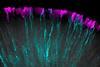
NewsFunctional retinal organoids improve drug testing for eye disease
Researchers have developed vascularised human retinal organoids featuring the first fully functional light-signal pathways in lab-grown human retina models, opening new possibilities for studying eye disease and testing therapies.
-
 News
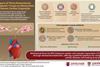
NewsMagnetic stimulation advances heart organoids for future therapies
Researchers have shown that applying magnetic forces to lab-grown human heart organoids enhances their maturation and vascular development, offering a more realistic model of early heart formation and the possibility of future cardiac therapies.
-
 News
NewsNew research aims to make FDA-approved drugs safer for the brain
Life-saving HIV and cancer drugs can carry serious neurological risks, and new funding will help UMBC researchers discover how these medicines damage the brain – which could help to inform safer treatments.
-
 News
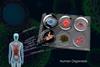
NewsHydrogel tech enables global shipping of organoid models
A partnership between Atelerix and Cherry Biotech is enabling the shipping of complex biological models worldwide, using hydrogel preservation technology to eliminate cold-chain logistics.
-
 News
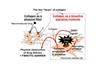
NewsInhibiting DDR1 pathway helps breach pancreatic cancer’s drug barrier
Scientists in Japan have identified a way to weaken the dense fibrotic barrier that prevents drugs from penetrating pancreatic tumours – a promising new strategy that could improve treatment for pancreatic cancer.
-
 News
NewsAutomated lung organoids to speed up new drug development
Scientists have developed an automated method to grow lung organoids, with the hope of speeding up drug testing, reducing reliance on animal models and helping to develop new personalised treatments.
-
 Article
The partnership changing the pace of radiopharmaceutical development
A new collaboration between Crown Bioscience and Medicines Discovery Catapult is bringing advanced tumour models together with world-class imaging and radiochemistry to accelerate the development of next-generation radiopharmaceuticals.
-
 News
NewsKidney fibrosis linked to overactive Hippo signalling pathway
Scientists have used human stem cell–derived kidney organoids to uncover how abnormal Hippo signalling drives scarring in nephronophthisis, a rare genetic kidney disease.
-
 News
NewsDexamethasone may halt metastases in resistant breast cancer
Researchers have discovered that dexamethasone, a widely used anti-inflammatory drug, could help combat metastases in hormone-resistant ER+ breast cancer.
-
 Article
Advancing disease biomarker research with EV multiplex profiling
Vanitha Margan, Global Product Manager for Bio-Plex Multiplex Immunoassays at Bio-Rad Laboratories, reveals how multiplexing is being used to realise the full potential of extracellular vesicles in disease monitoring.