



All Organoids articles – Page 2
-
 News
NewsStem cell organoids repair heart microvessels in coronary artery disease models
Stanford University researchers have demonstrated that stem cell-derived vascular organoids can regenerate damaged microvessels in the heart, improving cardiac function in a porcine model of ischaemic heart disease and addressing a significant unmet need in coronary artery disease treatment.
-
 Article
Organ chips move closer to drug discovery pipelines
From uncovering new drug targets to predicting human toxicity, organ chips are showing what they could bring to drug discovery. Professor Donald Ingber of Harvard University discusses where the technology is heading next.
-
 News
NewsSynthetic organiser cells enhance kidney organoid reproducibility and accuracy
Scientists at the University of Southern California have engineered synthetic organiser cells that produce localised Wnt signals to guide kidney organoid development, yielding more reproducible, physiologically accurate structures and revealing a previously unrecognised developmental axis in the human kidney.
-
 News
NewsFish-inspired sensor detects heartbeat of lab-grown cardiac organoids
A biomechanical well plate inspired by the pressure-sensing lateral line of fish can wirelessly monitor the pulse of multiple lab-grown cardiac organoids simultaneously, offering a scalable new platform for cardiovascular drug testing.
-
 News
NewsAccessible multiplex imaging workflow advances spatial liver disease research
A new multiplex immunofluorescence workflow using standard laboratory equipment and open-source software enables detailed spatial analysis of liver tissue, organoids and organ-on-a-chip models, lowering barriers to advanced spatial biology in hepatology research.
-
 News
NewsCerebral organoids identify Ebola virus persistence in neural tissue
Researchers have used human brain organoids to demonstrate that Ebola virus can replicate in neural tissue for up to 120 days, offering new insights into viral persistence mechanisms in immune-privileged sites and late-stage inflammatory complications in survivors.
-
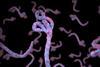 Article
Cerebral organoids reveal how Ebola virus persists in neural tissue
How does Ebola virus survive long after recovery? A new study using human cerebral organoids explores viral persistence in neural tissue and the growing role of organoid models in drug discovery research.
-
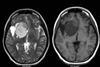 News
NewsNew framework standardises glioma organoid research for translational studies
A collaborative review published in Neuro-Oncology establishes a unified classification system for glioma organoid models, addressing inconsistent terminology and methodology across the rapidly expanding field.
-
 News
NewsGlycine transporter suppression restores NMDAR function in autism models
Researchers have identified a novel therapeutic strategy for autism spectrum disorder by suppressing the glycine transporter SLC6A20, successfully restoring NMDA receptor function in both mouse models and human cortical organoids carrying SHANK2 and SHANK3 mutations.
-
 Article
Why scaling human-derived models is pharma’s next big challenge
Many drugs still fail after promising preclinical results, raising difficult questions about how disease is modelled in the lab. Researchers are now turning to organoids and iPSC-derived systems to build more predictive models for drug discovery and reduce costly late-stage failures.
-
 News
NewsHow researchers are recreating the human heart in the lab
Many promising therapies fail because preclinical models do not fully capture the complexity of the human heart. A new review explores how 3D cardiac constructs could improve disease modelling, drug screening and safety assessment.
-
 News
NewsCardiac organoids repair heart attack damage in preclinical study
Researchers have developed a scalable bioreactor-based system to produce cardiac organoids that successfully integrated into damaged heart tissue in porcine models of myocardial infarction, improving cardiac function and reducing scar formation without triggering arrhythmias.
-
 News
NewsOrganoid study reveals valproate’s impact on developing brain
German researchers have used cerebral organoids to investigate how the epilepsy medication valproate interferes with early brain development, identifying significant disruption to the extracellular matrix and neuronal maturation that may explain increased neurodevelopmental risks in exposed foetuses.
-
 News
News3D-printed system doubles growth speed of transplantable gut organoids
A novel 3D-printed confined culture system has enabled researchers to generate larger, more advanced human gastrointestinal organoids in half the time of traditional methods, producing transplantation-ready tissues with self-organised enteric neural networks within 14 days.
-
 News
NewsISSCR consortium submits recommendations on NAMs to FDA
The ISSCR Consortium on Advanced Stem Cell-Based Models is calling for greater flexibilty from the FDA to accomodate rapidly changing technologies like stem cell-derived systems, organoids and computational approaches.
-
 Article
Turning CRISPR hits into confident drug discovery decisions
Functional genomics is central to modern drug discovery, yet high attrition rates persist. In this article, Dr Salman Tamaddon-Jahromi, a postdoctoral research associate at the University of Cambridge, discusses how end-to-end CRISPR screening strategies, iPSC-derived neuronal models and layered quality control can convert functional genomics signals into actionable therapeutic hypotheses.
-
 Report
Organoids and Organ Chips: Improving Decision-Making in Early Drug Discovery
Traditional preclinical models do not always predict what will happen in patients. This report explores how organoids, organ-on-chip systems and advanced imaging are being used to generate more clinically relevant insights and support better decision-making earlier in drug discovery.
-
 Article
Why lower organisms matter for neurodegeneration drug discovery
In the wake of recent government policy aimed at actively replacing animal models in drug discovery, we consider a possible solution to the translational shortfalls of current cellular methodologies for neurodegenerative disease.
-
 News
NewsChampions Oncology to present eight studies at AACR 2026
Champions Oncology will present eight studies at AACR 2026 spanning KRAS-mutant tumours, ovarian cancer, glioblastoma and emerging therapies including radiopharmaceuticals and CAR-T, using patient-derived models to improve early-stage decision-making in oncology drug development.
-
 News
NewsScientists link IVNS1ABP gene to new ageing disorder
An international research team has identified a previously unknown genetic disease characterised by premature ageing and progressive neurological decline. Using genome sequencing combined with induced pluripotent stem cell technology, scientists traced the condition to a mutation in the IVNS1ABP gene and uncovered disrupted actin dynamics during cell division as the underlying pathological mechanism.