



Researchers from the Terasaki Institute for Biomedical Innovation and leading neuro-oncology experts have published a comprehensive framework to standardise glioma organoid research.
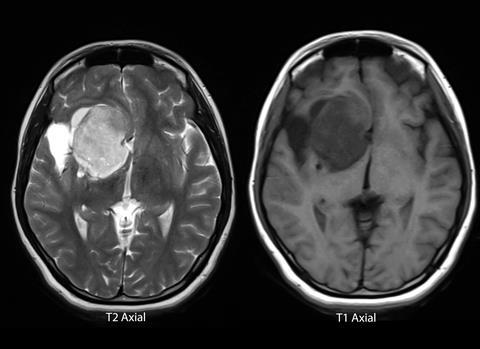
Researchers from the Terasaki Institute for Biomedical Innovation and leading experts in glioma biology, neuro-oncology and stem cell biology have published a major review outlining a new framework for glioma organoid research.
The paper, published in the journal Neuro-Oncology, examines the field of glioma organoid technologies and proposes a classification system designed to improve consistency and collaboration across research groups.
Titled ’Modeling Gliomas with Organoids: Classification, Fidelity and Guidelines for Translational Neuro-Oncology’, the review was led by co-corresponding authors Dr Zhaohui Wang and Dr Hongjun Song.
Standardising a growing area of research
The review provides one of the most comprehensive assessments to date of human glioma organoid systems, covering engineered organoids, patient tissue-derived organoids and assembloid models that allow scientists to investigate tumour interactions with the surrounding microenvironment.
The review provides one of the most comprehensive assessments to date of human glioma organoid systems
A key focus of the publication is the introduction of a foundational nomenclature and classification framework aimed at reducing confusion caused by inconsistent terminology and differing methodologies across the field.
Among its recommendations are a three-class taxonomy for glioma organoid models, a unified naming system for researchers, evidence-based guidance on selecting appropriate models for specific research objectives and a roadmap to address challenges including scalability, biological fidelity and vascularisation.
Supporting future discoveries
According to Dr Wang, the new framework is intended to help researchers navigate a rapidly expanding area of cancer research while encouraging greater collaboration and standardisation.
“This field is advancing extremely rapidly, but terminology, methodologies and applications have become highly fragmented,” said Dr Wang, “By bringing together perspectives from leaders and emerging scientists across the field, our goal was to provide a practical roadmap for investigators while helping establish a more unified framework for evaluating and applying glioma organoid models across basic, translational and therapeutic studies. We also hope this work will help support, connect and inspire the next generation of scientists advancing translational neuro-oncology.”
Improving models of brain cancer
For years, researchers have faced challenges in developing laboratory models that accurately reflect the complexity, diversity and treatment resistance seen in patients with gliomas.
Traditional preclinical models often fail to capture the full biological characteristics of these tumours, limiting their effectiveness in predicting clinical outcomes. Organoid technologies are now viewed as a promising alternative because they better preserve tumour architecture, cellular diversity and disease-specific features.
Traditional preclinical models often fail to capture the full biological characteristics of these tumours, limiting their effectiveness in predicting clinical outcomes
“This exemplifies our mission to develop human-relevant platforms that bridge the gap between the laboratory and the clinic,” said Dr Xiling Shen, Acting Director of the Terasaki Institute. ”By bringing together the community around shared standards, we believe this review will meaningfully accelerate the path to better treatments for patients with glioma.”
Researchers hope the proposed framework will provide a common foundation for future studies, ensuring that findings can be more easily compared, replicated and translated into new treatments for patients with glioma.





No comments yet