



Scientists at UCLA have developed cytokine-armoured CAR-T cells that attack glioblastoma tumours and recruit the body’s wider immune system to assist, showing promising results in mouse models, improving tumour control and reducing toxic side effects.
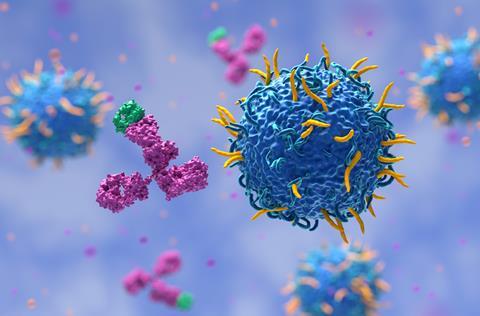
Researchers have developed a new generation of CAR T-cell therapy that could help overcome some of the biggest challenges in treating glioblastoma.
Scientists at UCLA Health Jonsson Comprehensive Cancer Center have engineered so-called cytokine-armoured CAR T cells that not only attack tumour cells directly but also recruit the body’s wider immune system to join the fight. The approach showed promising results in mouse models, improving tumour control while reducing some of the toxic side effects that have hindered similar treatments.
The findings could offer a new method for treating recurrent high-grade gliomas and other difficult-to-treat solid tumours.
Overcoming barriers in glioblastoma
Glioblastoma is challenging to treat, primarily due to the fact that tumours often contain a diverse mix of cancer cells, suppress immune responses and create abnormal blood vessels that limit the effectiveness of many therapies.
While CAR T-cell therapy has transformed outcomes for some blood cancers, its success in solid tumours has been far more limited.
Glioblastoma is challenging to treat, primarily due to the fact that tumours often contain a diverse mix of cancer cells
“A key challenge in treating brain tumours, particularly glioblastoma, is that the tumour cells are often antigen heterogeneous, meaning they do not all express the same proteins that can be recognised by a given targeted therapy,” said Dr Yvonne Chen, Co-director of the Tumor Immunology and Immunotherapy Program at the UCLA Health Jonsson Comprehensive Cancer Center and senior author of the study. “We hypothesised that effective immunotherapy against brain tumours would have to engage naturally occurring immune cells, which can recognise a wide variety of target antigens in the fight against cancer.”
Recruiting the immune system
To address this challenge, researchers designed CAR T cells that recognise IL-13Rα2, a protein commonly found on glioblastoma cells. The engineered cells were also programmed to release immune-stimulating molecules that could activate and attract additional immune cells into the tumour environment.
The team tested several combinations of these molecules in mouse models designed to reflect the complexity of human glioblastoma.
Among the combinations studied, one pairing stood out: IL-12 and decoy-resistant IL-18, known as DR-18.
“IL-12 and DR-18 work synergistically to activate the immune system, resulting in a dramatic influx of immune cells into the tumour-bearing brain,” said Chen, who is also a professor of microbiology, immunology and molecular genetics at UCLA and a member of the UCLA Broad Stem Cell Research Center. “The diverse immune-cell population recruited into the brain contributes to attacking the tumour, including ones that cannot be directly recognised by the CAR T cells themselves.”
Importantly, the treatment was able to eliminate tumours containing cancer cells that did not express the target recognised by the CAR T cells, a common reason why tumours evade treatment.
Balancing efficacy and safety
The researchers also investigated ways to reduce treatment-related toxicity. Because IL-12 can trigger harmful inflammation, the team tested an additional CAR T strategy targeting VEGF, a protein involved in abnormal blood vessel growth.
The combination helped reduce side effects while maintaining strong anti-tumour activity in mice.
Because IL-12 can trigger harmful inflammation, the team tested an additional CAR T strategy targeting VEGF, a protein involved in abnormal blood vessel growth
“When developing novel therapies, we always have to balance considerations for safety and efficacy,” Chen said. “Potent cytokines such as IL-12 and DR-18 have toxicity potential, which is why we performed in-depth studies to understand the nature and severity of the toxicity and devised ways to counteract safety concerns while maintaining anti-tumour activity.”
Moving towards clinical trials
The researchers are now carrying out additional preclinical studies and seeking funding to launch a Phase I clinical trial in patients with recurrent high-grade gliomas.
“We are very encouraged by the ability of our cytokine-armored CAR T cells to kill not only tumour cells that express IL-13Rα2, but also tumour cells that are not directly recognisable to the CAR T cells,” Chen said. “We are excited to have developed a clinical protocol that would allow us to bring this therapy to the clinic while also providing a detailed toxicity management plan to ensure patient safety.”




No comments yet