



Scientists at the IBS Center for Synaptic Brain Dysfunctions have demonstrated that inhibiting the glycine transporter SLC6A20 can restore NMDA receptor activity in autism models.
A team of scientists has identified a new therapeutic strategy for autism spectrum disorder (ASD) by targeting a key mechanism involved in brain signalling.
The research, led by Director Kim Eunjoon of the IBS Center for Synaptic Brain Dysfunctions, found that suppressing a glycine transporter known as Slc6a20a/SLC6A20 could restore the function of NMDA receptors (NMDARs), which play a crucial role in learning, memory and social behaviour.
The findings could lead to new treatments, not only for autism, but also for other neurological and psychiatric disorders linked to reduced NMDAR activity, including schizophrenia and certain forms of intellectual disability.
Long-standing challenge
Impaired NMDAR function has long been associated with a range of brain disorders, including ASD, schizophrenia, intellectual disability and NMDAR encephalitis. However, efforts to restore receptor activity have been inconsistent, underlining the need for more targeted treatment approaches.
Impaired NMDAR function has long been associated with a range of brain disorders, including ASD, schizophrenia, intellectual disability and NMDAR encephalitis
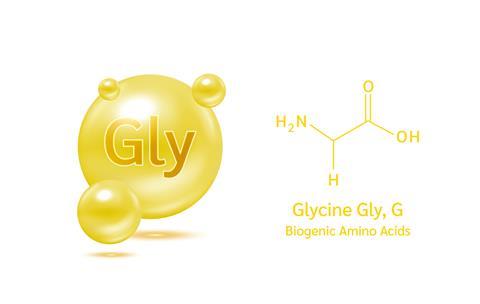
NMDARs require both glutamate and glycine to become fully activated. Previous attempts to increase glycine levels focused on inhibiting GlyT1, a transporter found throughout the brain. While this approach aimed to boost NMDAR activity, it often resulted in limited therapeutic benefits and unwanted side effects because GlyT1 is widely expressed in regions involved in breathing and motor control.
The researchers instead looked at Slc6a20a, a glycine transporter predominantly found in cognition-related brain regions such as the cortex and hippocampus.
Improvements in autism models
Using antisense oligonucleotides (ASOs) to suppress Slc6a20a expression, the team investigated whether NMDAR function could be restored in mouse models carrying mutations in the SHANK2 and SHANK3 genes, both of which are strongly linked to autism and other neurodevelopmental disorders including Phelan-McDermid syndrome.
The study found that treatment with Slc6a20a-ASO successfully restored NMDAR activity across multiple autism-related mouse models. Researchers also observed improvements in several behavioural traits commonly associated with autism, including difficulties with social interaction, social communication and repetitive behaviours.
Importantly, these benefits were seen in adult animals, suggesting that correcting NMDAR dysfunction may still be possible after critical periods of brain development have ended.
Further analysis demonstrated that the treatment did not significantly alter overall protein abundance. Instead, it corrected abnormal phosphorylation patterns in proteins involved in synaptic signalling and NMDAR regulation, indicating that the therapy may work by normalising protein function rather than changing protein levels.
Human brain model results
To assess whether the findings could be translated to humans, the researchers created human cortical organoids carrying SHANK2 or SHANK3 mutations using CRISPR gene-editing technology.
Like the mouse models, these organoids showed reduced NMDAR activity. Treatment with an ASO targeting the human SLC6A20 gene restored receptor function to near-normal levels.
“Unlike gene re-expression strategies, SLC6A20 inhibition works by modulating endogenous signalling pathways and may offer a more practical therapeutic route,” said Eunjoon. “The fact that the effect was reproduced not only in mice but also in human cortical organoids suggests that this approach may represent a promising therapeutic strategy for neurodevelopmental disorders characterised by NMDA receptor hypofunction.”
Unlike gene re-expression strategies, SLC6A20 inhibition works by modulating endogenous signalling pathways and may offer a more practical therapeutic route
Researchers also reported that a single administration of the ASO remained effective for at least eight weeks in mice, with no detectable adverse effects.
These findings could now provide a framework for developing treatments for a wider range of neurodevelopmental and neuropsychiatric disorders associated with NMDAR hypofunction.








No comments yet