



All CRISPR articles
-
 News
NewsPatient-derived tumour organoid biobank maps cancer gene dependencies
A biobank of 256 patient-derived tumour organoids, combined with genome-wide CRISPR–Cas9 screening, has produced a detailed map of cancer gene dependencies across five tumour types, revealing both shared vulnerabilities and mutation-specific targets with implications for precision oncology.
-
 Webinar
From antibody discovery to development: long-read sequencing in practice
As sequencing continues to grow in importance across biotherapeutic discovery and development, where can it make the biggest impact and how can fragmented workflows be overcome?
-
 Article
600+ patient-derived cancer models expand the search for drug targets
Hundreds of new patient-derived cancer models could strengthen target validation, identify cancer vulnerabilities and provide more representative systems for preclinical drug discovery.
-
 News
NewsNon-endocytic delivery bypasses endosomal barriers for gene therapy
A new review examines how physical, bioengineered and biomimetic delivery platforms that bypass conventional endocytic uptake pathways could transform the clinical development of gene therapies, mRNA treatments and protein-based medicines.
-
 Article
Small tags, big advances: studying endogenous proteins in their native context
By combining CRISPR knock-in with small peptide tags, researchers can study proteins in their native cellular context, generating more predictive data for translational drug discovery.
-
 News
NewsGlycine transporter suppression restores NMDAR function in autism models
Researchers have identified a novel therapeutic strategy for autism spectrum disorder by suppressing the glycine transporter SLC6A20, successfully restoring NMDA receptor function in both mouse models and human cortical organoids carrying SHANK2 and SHANK3 mutations.
-
 News
NewsELRIG announces keynote speakers for Drug Discovery 2026 conference in London
ELRIG has announced its keynote speaker programme for Drug Discovery 2026, with LifeArc’s Dr Sam Barrell CBE delivering the opening address.
-
 Article
Turning GWAS signals into drug targets with scalable CRISPR
Genome-wide association studies have linked thousands of genetic variants to disease, yet most remain disconnected from drug-relevant biology. Neville Sanjana, Professor at New York University and Core Faculty Member at the New York Genome Center, explains how scalable CRISPR screens systematically link noncoding variants to causal genes and therapeutic targets.
-
 News
NewsASGCT 2026 Annual Meeting opens in Boston this week
The American Society of Gene & Cell Therapy’s 2026 Annual Meeting opens in Boston on 11 May, bringing together thousands of researchers, clinicians and industry leaders for five days of scientific programming.
-
 Article
Turning CRISPR hits into confident drug discovery decisions
Functional genomics is central to modern drug discovery, yet high attrition rates persist. In this article, Dr Salman Tamaddon-Jahromi, a postdoctoral research associate at the University of Cambridge, discusses how end-to-end CRISPR screening strategies, iPSC-derived neuronal models and layered quality control can convert functional genomics signals into actionable therapeutic hypotheses.
-
 Article
From leaderboards to lab notebooks: AI designs reach preclinical testing
For years, AI drug discovery has been judged on benchmark performance. Now, a set of studies shows what happens when those designs are made and tested in preclinical settings.
-
 Webinar
Manufacturing the Future: from N=1 personalised CRISPR therapy to scalable precision genomic medicine
How biotech leaders are turning one-off CRISPR breakthroughs into scalable, regulatory-ready therapies.
-
 Report
CRISPR & Genomics: Turning Data into Confident Drug Discovery Decisions
Early drug discovery has no shortage of genomic data, but confidence remains scarce. This report examines how CRISPR, functional genomics and human-relevant models are being applied to determine which signals matter, how they influence disease biology and which targets and strategies are worth pursuing.
-
 News
NewsSimple amino acid mix dramatically improves gene therapy delivery
Scientists have discovered that adding a simple cocktail of three common amino acids to lipid nanoparticle injections can dramatically improve the delivery of mRNA and CRISPR therapies.
-
 News
NewsELRIG announces keynote speakers for Cell and Gene Therapy 2026 in Cambridge
ELRIG (European Laboratory Research & Innovation Group) has announced the keynote speakers for its inaugural Cell and Gene Therapy 2026 conference, taking place at Hinxton Hall in Cambridge from 9–10 March.
-
 News
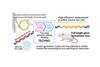
NewsNew TECHNO platform enables large-scale human gene integration in mice
Japanese researchers have developed a new gene-editing platform, TECHNO, that allows entire human genes – including regulatory regions – to be inserted into mice, allowing for better disease modelling and drug testing.
-
 Article
Why patient-derived biology matters for ADC discovery
What can we learn from tumours after they stop responding to treatment? By studying patient tissue directly, researchers are finding new ADC targets that conventional screening often misses.
-
 News
NewsBits2Bonds: AI system accelerates discovery of RNA delivery polymers
Researchers at LMU Munich have developed Bits2Bonds, the first platform to fuse molecular simulations with machine learning – accelerating the discovery of polymer carriers for therapeutic RNA.
-
 News
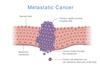
NewsNew stealth CRISPR method reduces immune interference in tumours
Researchers have developed a novel CRISPR method that evades the immune system in mice, allowing scientists to study tumour growth and metastasis more accurately.
-
 News
NewsCRISPR disruption of NRF2 re-sensitises tumours to chemo
Researchers have shown that using CRISPR to disable the NRF2 gene can restore chemotherapy sensitivity and slow tumour growth.