



A new pancreas organoid platform built from patients’ own cells has uncovered consistent CFTR dysfunction across chronic pancreatitis subtypes – including in patients without inherited CFTR mutations – pointing to existing cystic fibrosis modulators as candidate therapies.
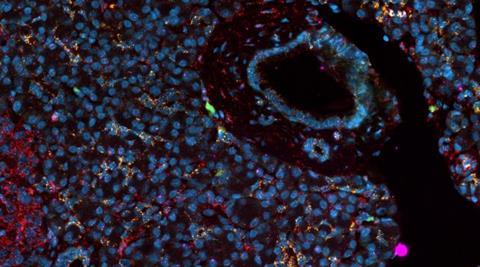
Chronic pancreatitis is a long-term disease that affects around three million people worldwide, causing the pancreas to become inflamed, scarred and painful. There is currently no cure, and once the disease develops, it is difficult to change its course.
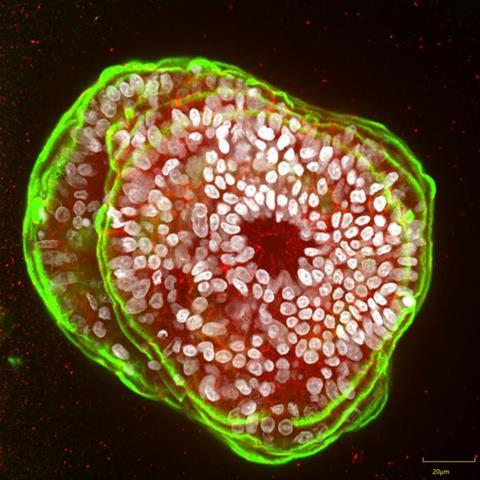
To combat this, researchers at the Salk Institue have created miniature pancreas organoids grown from patients’ own cells, allowing them to study the disease in extreme detail. Their findings uncovered a consistent dysfunction in the cystic fibrosis transmembrane conductance regulator (CFTR) protein, identifying it as a potential therapeutic target.
Patient-derived organoids reveal disease differences
The research team generated 37 pancreas organoids from patients with chronic pancreatitis caused by spontaneous disease, genetic factors, alcohol-related disease and other causes.
Each organoid closely matched the biology of the patient’s original pancreatic tissue, enabling scientists to investigate the molecular mechanisms driving the disease.
“Though patients can have the same clinical diagnosis of chronic pancreatitis, they can have very different underlying molecular drivers of that disease, which makes treatment especially difficult,” says senior author Dr Dannielle Engle, Assistant Professor and Helen McLoraine Developmental Chair at Salk. “Our work breaks down a major barrier in the field by establishing an experimental model that preserves patient-specific disease biology and can be used to develop tailored therapies.”
The team identified three distinct biological subtypes of chronic pancreatitis, suggesting patients could eventually be classified according to the molecular characteristics of their disease rather than its underlying cause.
Potential role for existing CFTR therapies
One of the study’s key findings was that around half of the organoids showed dysfunctional CFTR, including many from patients without inherited CFTR mutations.
“By growing organoids directly from patients, we preserve key features of ductal cells and ask which disease mechanisms are active in each individual patient,” says first author Dr Victoria Osorio-Vasquez, a postdoctoral researcher in Engle’s lab.
The researchers also tested existing CFTR modulator drugs, originally developed to treat cystic fibrosis. In laboratory experiments these medicines stabilised or restored CFTR function and reduced inflammatory signalling in responsive pancreas organoids, suggesting they could benefit some people with chronic pancreatitis.
“And CFTR dysfunction was not limited to patients with inherited CFTR mutations, suggesting that functional testing may identify therapeutic opportunities that would be missed by genetic testing alone,” Osorio-Vasquez says.
Platform could accelerate future research
Beyond identifying potential new treatment options, the organoid platform also found rare alterations in the KRAS and TP53 genes in some samples. The researchers believe this could help scientists better understand disease progression, identify patients at increased risk of pancreatic cancer and discover new biomarkers linking chronic inflammation with cancer development.
“These organoids gave us a way to study chronic pancreatitis pathogenesis in human cells for the first time,” says Engle. “Our platform enables a more personalised way of studying and eventually treating chronic pancreatitis, while also blazing the trail for other organoid-based platforms in other inflammatory disease contexts.”







No comments yet